
A trade show program does not run on one vendor — it runs on five or six, each with a separate contract, separate invoice, separate deadline, and separate point of contact. The exhibitor who treats their exhibit house as the only vendor they need to manage arrives at the show already behind: the general services contractor’s advance order deadline has passed at full-rate surcharges, the lead retrieval scanner was never reserved, and the graphics vendor is waiting on approved files that nobody sent. Managing a trade show program means managing a vendor ecosystem — not a single relationship.
This guide maps every trade show vendor category an exhibitor typically works with, what each provides, what the critical deadline or failure point is for each, and how to structure the vendor relationships to keep the program on track. For the complete cost picture of what these vendors collectively charge, the trade show booth rental cost guide breaks down every line item by booth size and market.
What Is a Trade Show Vendor and Why Do Exhibitors Need More Than One?
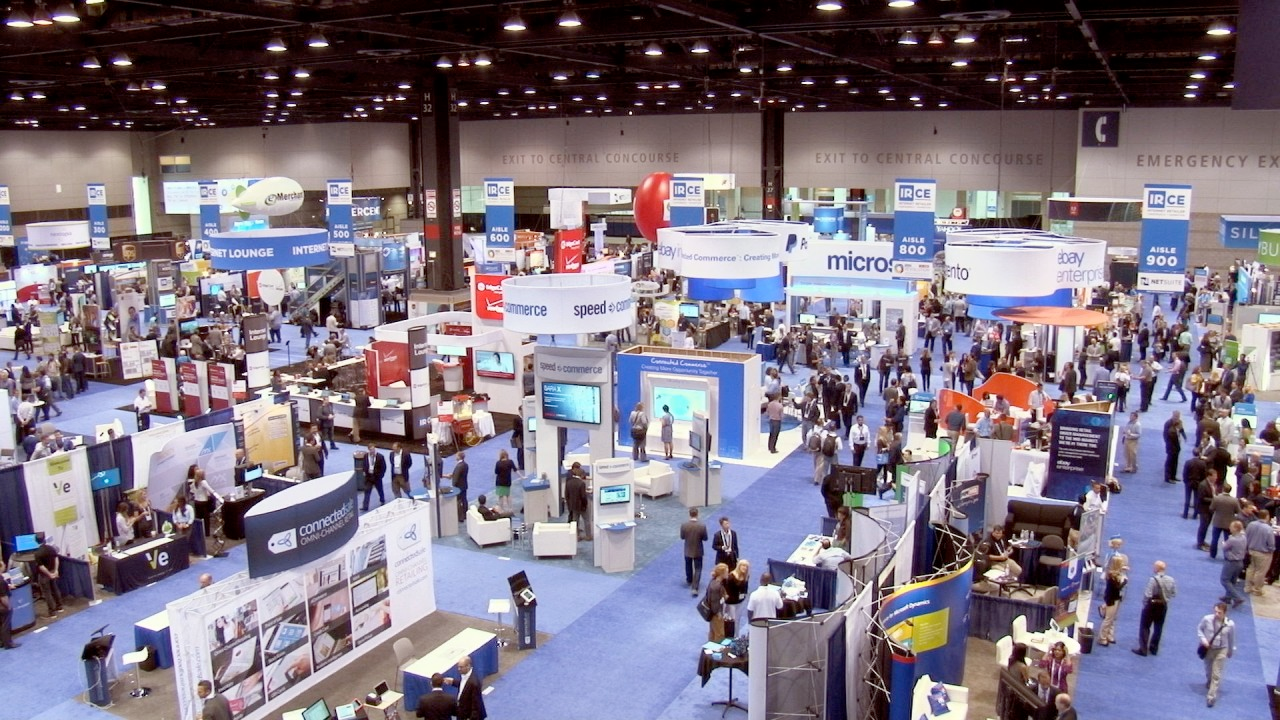
A trade show vendor is any company or individual that provides goods or services in support of an exhibitor’s booth program. The vendor ecosystem for a typical exhibitor at a major B2B trade show includes four to seven separate vendors, each operating independently and billing the exhibitor directly. Unlike a general contractor model — where a single vendor manages all subcontractors and the client has one billing relationship — the trade show model places coordination responsibility entirely on the exhibitor.
The Four Core Vendor Categories
Every exhibitor needs vendors in four core categories regardless of booth size or show type. The exhibit house provides the physical booth: design, structure, graphics, and installation. The general services contractor (GSC) provides mandatory venue services: drayage, electrical, and labor. The show organizer provides booth space and administers the show. The lead retrieval vendor provides the technology for capturing visitor contact information at the show. These four are non-optional — a trade show program cannot function without them.
The Extended Vendor Ecosystem
Beyond the four core categories, most exhibitors engage additional vendors depending on their program complexity: a graphics vendor for supplemental printing (brochures, signage, giveaway items), a staffing vendor for brand ambassadors or bilingual booth staff, an audio-visual vendor for large-format screens or interactive technology, a promotional products supplier for branded giveaways, a hotel and travel vendor for staff accommodation, and a photographer or videographer for on-site content creation. Each of these represents a separate contract, a separate deadline, and a separate point of failure if not managed proactively.
What Does a Trade Show Exhibit House Vendor Provide?
The exhibit house is the vendor responsible for the physical booth — from initial design through on-site installation. For exhibitors at Las Vegas shows, a local exhibit house like Pure Exhibits provides the complete booth service: design consultation, structural rental or fabrication, custom graphic production, lighting and flooring, pre-show assembly at the Las Vegas facility, delivery to the convention floor, professional installation, and post-show dismantle. The exhibition booth design process begins with understanding the show’s audience, the exhibitor’s brand, and the specific booth space — then translates those inputs into a 3D design for client approval before production begins.
What to Evaluate When Selecting an Exhibit House
The most important selection criteria for an exhibit house vendor are local market presence for your key shows, portfolio quality matched to your show’s competitive standard, scope transparency in the quote, and a defined project management process with named milestones. For Las Vegas shows specifically, a Las Vegas-based exhibit house eliminates round-trip freight cost ($4,000 to $10,000 per show for a 10×20 kit), provides access to local replacement inventory if something is damaged, and can deliver and install without shipping lead time constraints. A national vendor without Las Vegas presence adds freight cost, freight risk, and no on-site support — disadvantages that compound across every show.
The Exhibit House’s Deadline: Earlier Than Most Exhibitors Expect
The exhibit house’s critical deadline is the design approval date — typically 4 to 6 weeks before the show for a returning client updating graphics, and 8 to 12 weeks for a new client requiring a full design from scratch. Missing the design approval deadline pushes the graphics into rush production, which adds cost and reduces the number of revision cycles available. For rental programs, the exhibit house also needs to confirm the booth configuration 4 to 6 weeks out to allocate inventory from the rental pool. Engaging the exhibit house vendor at least 10 to 16 weeks before the show is the reliable planning window for first-time engagements.
What Is the General Services Contractor and Why Can’t You Skip Them?
The general services contractor (GSC) is the trade show vendor that most exhibitors encounter last and pay for with the most surprise. Unlike the exhibit house — which you choose — the GSC is appointed by the show organizer. You do not select them. You work with whoever the show appoints, and you order their services through the form package in your exhibitor kit.
What the GSC Provides
The GSC manages all venue-side operations for the show: receiving freight at the advance warehouse, moving freight from the loading dock to your booth space (inbound drayage), electrical connections to your booth’s floor box, internet and wifi connections, installation and dismantle labor under union jurisdiction, rigging labor and permits for hanging signs, booth cleaning service, and return freight movement from booth to dock (outbound drayage). At major Las Vegas conventions, the appointed GSC is typically Freeman, GES, or Shepard Expositions. Every exhibitor at every booth space at the show uses the same GSC — there is no alternative vendor for these services at the venue.
The GSC’s Critical Deadline: The Advance Order Cutoff
The single most important deadline in the GSC relationship is the advance order cutoff — typically 30 days before the show opens. Services ordered before this deadline receive advance pricing: 25 to 40 percent below the standard rate. Services ordered after the deadline are charged at standard rates. Services ordered on-site, during move-in, are charged at on-site rates — often 50 to 75 percent above advance pricing. For a $4,000 advance-rate services total, missing the deadline and ordering at standard rates adds $1,000 to $1,600. Ordering on-site adds $2,000 to $3,000. The advance order deadline is the highest-impact, lowest-complexity cost optimization available to any exhibitor — set a calendar reminder for it the day you receive the exhibitor kit.
Why Exhibitors Miss the GSC Deadline
The GSC order forms arrive in the exhibitor kit — a document package that exhibitors frequently skim or file without reading in full. The advance order deadline is buried in that kit, not highlighted in a reminder from the show organizer. Exhibitors focused on booth design, graphics approval, and staff travel booking often reach the 30-day pre-show mark without having opened the services kit. Building a trade show vendor timeline that includes the GSC advance deadline as a hard calendar event — along with every other vendor’s critical dates — prevents this pattern from repeating show after show.
What Trade Show Vendors Handle Graphics and Printing?
Graphics production for a trade show program may involve one vendor or three, depending on how the exhibit house structures its offering. Professional exhibit houses typically include graphic design and large-format print production in their scope — designing and producing the back wall, side panels, counter graphics, and all booth surface prints. Supplemental printing — brochures, business cards, one-pagers, banners for outside the booth, giveaway item printing — is almost always handled by a separate printing or marketing vendor. The trade show booth graphics guide covers every graphic format used in professional exhibit programs, from SEG fabric back walls to rigid substrates and dimensional lettering.
Exhibit Display Graphics Vendor
The exhibit display graphics vendor — whether your exhibit house or a separate large-format print shop — produces the structural display graphics: back wall fabric prints, SEG panels, tension fabric displays, vinyl banners, and backlit film. These graphics are produced to tight dimensional tolerances specific to your exhibit system and require print-ready files (typically PDF, AI, or high-resolution TIFF) at the correct pixel dimensions and bleed specifications. The critical deadline for display graphics is typically 2 to 3 weeks before the show for standard turnaround and 1 week for rush production (at significant cost premium). Send approved files to your exhibit house or graphics vendor the moment design is finalized — not at the last minute.
Collateral and Promotional Printing Vendor
Brochures, data sheets, one-pagers, and business cards are produced by a commercial offset or digital printer — separate from the exhibit display graphics vendor. Quantities for a 3-day show at a 10×20 booth typically run 300 to 600 pieces of each collateral item. Print lead times for standard four-color runs are 5 to 10 business days from approved file. Order 3 weeks before the show to allow time for proofing, production, and shipping to the venue or your hotel without rush freight charges. Bring print-ready files on a USB drive to the show; Las Vegas FedEx Office and other commercial printers can produce emergency reprints within 24 hours for simple documents.
Promotional Products Vendor
Branded giveaway items — pens, tote bags, portable chargers, apparel, or specialty items — are produced by promotional products suppliers. Lead times for custom-branded items range from 5 business days for simple stock items to 4 to 6 weeks for custom-manufactured products. The critical planning discipline is to confirm the quantity needed, the item specifications, and the required-by date with the vendor at least 6 weeks before the show — not 2 weeks before, when standard lead time leaves no margin for production delays or quality issues. For giveaway strategy guidance, the trade show booth giveaway ideas resource covers item selection by buyer tier and qualification strategy.
Need Help?
Pure Exhibits Is the Las Vegas Trade Show Vendor That Handles Design, Production, Delivery, and On-Site Support in One Relationship.
What Vendors Do Exhibitors Need for Technology and Lead Capture?
Technology vendors for a trade show program cover two categories: the tools that run inside the booth (monitors, interactive displays, demonstration equipment), and the tools that capture and process visitor information (lead retrieval, CRM integration, post-show follow-up platforms). Each category involves a different vendor relationship with different lead times and criticality.
Lead Retrieval Vendor
Lead retrieval at most major trade shows is managed through the show’s official lead retrieval provider — a company appointed by the show organizer, similar to the GSC. You do not choose this vendor independently. The scanner devices or app licenses are rented for the show, priced at $300 to $700 per device, and must be reserved in advance through the exhibitor kit’s lead retrieval order form. The critical mistake is failing to reserve in advance and discovering on move-in day that the most capable scanner tier is sold out. Reserve lead retrieval devices at the same time you submit your GSC advance orders — both are in the exhibitor kit and both have the same advance deadline structure.
Audio-Visual and Interactive Technology Vendor
Exhibitors running large-format video displays, interactive touchscreens, product demonstration kiosks, or live streaming at the booth typically engage a separate audio-visual vendor. For Las Vegas shows, several established AV companies operate specifically in the convention market. The AV vendor coordinates delivery, setup, and technical support for their equipment independently of the exhibit house — a detail that matters during move-in when two crews are working in the same space simultaneously. Confirm with both vendors that their crews are scheduled for compatible move-in windows and that the electrical load of the AV equipment is included in the GSC electrical order.
CRM and Follow-Up Technology
The lead retrieval system captures contact data at the show; the CRM processes it afterward. Most lead retrieval providers offer direct exports in CSV or standard CRM import formats. The critical setup task — done before the show, not after — is configuring the lead retrieval app’s custom fields (disposition code, purchase timeline, conversation notes, agreed next step) so that every lead is captured with qualification data at the point of contact. Leads exported without custom fields require manual re-qualification before meaningful follow-up can begin, which delays the 48-hour follow-up window that drives the highest response rates.
What Trade Show Staffing and Marketing Vendors Should You Consider?
Staffing and marketing vendors extend the exhibitor’s team at the show beyond the core sales and product staff. The decision to engage these vendors depends on booth size, expected traffic volume, language requirements, and the specific role the booth plays in the overall program. The trade show booth staffing guide covers the full model for staffing a trade show booth — including how to integrate contracted staff with internal team members for consistent qualification and lead capture.
Staffing Agency: Brand Ambassadors and Booth Hosts
Staffing agencies that specialize in trade show and event staffing provide trained booth hosts, brand ambassadors, product demonstrators, and registration staff for the show floor. These contractors are familiar with the trade show environment, presentable, and experienced at initiating visitor conversations — capabilities that differ from typical temp or event staffing. The value is highest for booths with high foot-traffic requirements that exceed the internal team’s capacity, booths running structured demonstrations that need a dedicated presenter separate from the sales qualification team, and exhibitors at international shows who need multilingual capability beyond their internal headcount.
Photography and Video Vendor
On-site content creation — booth photography, product demonstration video, attendee testimonials, show floor walkthroughs — generates post-show marketing assets and social content with authentic event context. A professional trade show photographer or videographer familiar with convention lighting conditions and the fast-moving show floor environment delivers significantly better results than assigning a staff member with a smartphone. For exhibitors planning to use show imagery in case studies, website updates, or sales presentations, budget a professional photography session during setup (clean booth before visitors arrive) and during peak show hours (booth with qualified visitors engaged in conversation).
Pre-Show Marketing and Outreach Vendor
Pre-show outreach — email campaigns to registered attendees, LinkedIn sequences targeting ICP accounts at the show, appointment-setting campaigns — may be managed in-house or through a marketing vendor. The output is a calendar of pre-scheduled meetings that guarantees qualified foot traffic on day one regardless of walk-in conversion rate. Marketing vendors who specialize in trade show outreach programs have the attendee list access relationships and the campaign infrastructure to run this program efficiently. For exhibitors new to pre-show outreach, the simplest starting point is a targeted email to existing prospects who are registered for the show — which can be managed in-house through any email marketing platform.
How Do You Manage Multiple Trade Show Vendors Without Losing Control?
Managing five to seven independent vendors with separate deadlines, separate contacts, and separate approval workflows requires a single coordination system that treats every vendor deadline as a program dependency. The trade show preparation guide provides an 8-week calendar that integrates the key milestones for all vendor categories — from exhibit house design approval through GSC advance order cutoff through staffing confirmation and lead retrieval reservation.
The Vendor Master Timeline
| Vendor Category | Critical Action | Recommended Deadline | Cost of Missing It |
| Show organizer | Reserve booth space at early commitment pricing | 10–12 months out | 10–20% space cost increase; losing preferred floor position |
| Hotel/travel | Book staff rooms within official room block | 8–10 months out | 20–40% higher hotel cost outside the room block |
| Exhibit house | Engage vendor; begin design consultation | 12–16 weeks out (new client) | Rush fees; reduced revision cycles; inventory allocation risk |
| Exhibit house | Approve final design and graphic files | 6–8 weeks out | Rush production fees; limited revision capability |
| GSC (show services) | Submit all advance service orders | 30 days out (advance deadline) | 25–75% cost increase on drayage, electrical, I&D labor |
| Lead retrieval vendor | Reserve scanner devices or app licenses | 30 days out (same as GSC kit) | Preferred scanner tiers sold out; late fees |
| Collateral printer | Submit print-ready files; approve proof | 3 weeks out | Rush printing premium; potential stock shortage |
| Promotional products | Confirm order placed with firm ship date | 6 weeks out | Production delays leave giveaway inventory arriving after the show |
| Staffing agency | Confirm contracted staff roster and briefing date | 4 weeks out | Inability to source qualified staff at short notice |
| AV vendor | Confirm equipment, delivery window, and electrical load | 4 weeks out | Move-in scheduling conflicts; electrical order shortfall |
How Does Working With a Local Las Vegas Vendor Reduce Risk?
For exhibitors whose primary shows are in Las Vegas, the trade show vendor decision that most reduces total program risk and cost is selecting a Las Vegas-based exhibit house as the primary vendor. Pure Exhibits is a las vegas trade show booth rentals specialist — designing, producing, and delivering exhibits from the Las Vegas facility directly to the convention floor. The structural advantages of local vendor selection compound across every show in the program.
Freight Risk Elimination
Every exhibitor shipping an owned exhibit from another city accepts freight risk on every show: the possibility that the crate is damaged in transit, arrives late, or is lost. For a 10×20 kit, round-trip freight to Las Vegas costs $4,000 to $10,000 and takes 5 to 10 transit days in each direction. A damaged exhibit discovered at the advance warehouse 3 days before the show opens is a crisis; a damaged component discovered at the Las Vegas exhibit house 3 days before the show is a repair. Local vendor selection converts freight risk into a manageable local logistics operation.
Vendor Consolidation for the Las Vegas Program
A Las Vegas-based exhibit house that handles design, production, local delivery, and I&D reduces the number of active vendor relationships from five or six to three or four for the exhibit-side of the program. The exhibitor still manages the GSC relationship directly — drayage and electrical cannot be delegated to the exhibit house — but the freight carrier, advance warehouse logistics, and out-of-state I&D coordination are all eliminated. For a first-time exhibitor already managing the learning curve of a new show program, reducing vendor count is a meaningful risk management step. For a program manager running three to five Las Vegas shows per year, it is an efficiency that compounds across every event. The trade show budget template provides the full cost framework for modeling this vendor consolidation decision against your specific show program.
On-Site Support as a Vendor Differentiator
The vendor relationship that fails most visibly at trade shows is the one where the exhibit house is in another city when something goes wrong during move-in. A cracked frame connector, a graphic print with a production defect, a lighting connection that won’t seat — all of these are 30-minute fixes when the exhibit house has a local representative at the show. They become multi-hour problems requiring improvisation when the vendor is three time zones away. For a 10×20 trade show booth at a major Las Vegas show where the investment runs $30,000 to $50,000 in total program cost, on-site vendor support is not a premium feature — it is a fundamental quality standard for the vendor relationship.
Conclusion
A trade show program is a vendor management program. The exhibit house, the general services contractor, the show organizer, the lead retrieval provider, and the collateral and promotional vendors all operate on independent timelines, with independent deadlines that carry real cost consequences for missing them. The exhibitors who run consistently well-managed programs are the ones who treat the vendor timeline as seriously as the show timeline — mapping every critical deadline across every vendor relationship before the advance order forms arrive.
For the exhibitor whose primary shows are in Las Vegas, consolidating the exhibit house relationship with a local Las Vegas vendor reduces freight risk, eliminates logistical complexity, and provides on-site support that converts move-in-day problems into quick fixes. As a trade show booth specialist operating out of Las Vegas, Pure Exhibits manages the exhibit design, rental, delivery, and installation end of the vendor ecosystem — so exhibitors can focus their coordination energy on the GSC deadlines, staffing preparation, and pre-show outreach that drive qualified pipeline at the show.
Let’s Build Something Extraordinary
Share your event details and we’ll craft a custom booth solution designed to captivate your audience and maximize your ROI.
Frequently Asked Questions
What vendors do I need for a trade show?
Every exhibitor needs vendors in four core categories: an exhibit house (for booth design, structure, graphics, and installation), a general services contractor (for drayage, electrical, and I&D labor — appointed by the show organizer), the show organizer (for booth space rental and access), and a lead retrieval vendor (for capturing visitor contact information at the show). Beyond these four, most exhibitors also engage: a collateral printer for brochures and marketing materials, a promotional products supplier for branded giveaways, and a hotel and travel vendor for staff accommodation. Larger or more complex programs may also use staffing agencies, audio-visual vendors, and photography and video vendors. Each of these trade show vendors bills independently and has separate deadlines.
How do I find a good trade show vendor?
For the exhibit house — the most consequential vendor selection — evaluate candidates on local market presence for your key shows, portfolio quality at comparable shows and booth sizes, scope transparency in the quote, and defined project management process. Request references from clients at the specific shows you attend. For Las Vegas shows, a Las Vegas-based exhibit house eliminates freight cost and provides on-site support that a distant vendor cannot match. For the GSC, there is no selection — the show organizer appoints them and you work with whoever is designated. For lead retrieval, use the show’s official provider; third-party devices often cannot read the show’s badge format. For all other vendor categories, request referrals from your exhibit house or other exhibitors at the same show.
What is the most important trade show vendor to get right?
The exhibit house is the highest-impact vendor selection because it determines the quality of your first impression at the show — the most important commercial signal you send to every qualified buyer who walks past your booth. A booth that looks professional, communicates clearly, and is well-lit converts aisle traffic at a significantly higher rate than one that looks assembled on a budget under time pressure. The GSC is the most consequential vendor from a cost perspective — missing their advance deadline is the most common and most preventable budget overrun in any trade show program. If you can only optimize one vendor relationship per show cycle, optimize the exhibit house for the long-term quality of the program and the GSC deadline management for the immediate budget.
How do I manage trade show vendors effectively?
Build a single master vendor timeline before the first check is written. List every vendor, every critical deadline (the one where missing it costs money or causes a failure), every deliverable, and the named person responsible for each. Share the timeline with everyone involved in the program. Set calendar reminders for each deadline 2 weeks in advance. The most commonly missed deadline — the GSC advance order cutoff — should be treated as a hard program milestone, not an administrative task. Review the timeline at a pre-show planning meeting 8 weeks before the show. Update it with actuals after the show to improve accuracy for the next cycle.
Can the exhibit house manage all my trade show vendor relationships?
Partially. A full-service exhibit house manages the design, production, and installation side of the program comprehensively. Some Las Vegas exhibit houses also coordinate I&D scheduling with the GSC on the client’s behalf, and may advise on GSC service ordering — but the GSC invoice goes directly to the exhibitor, and the advance order must be placed by the exhibitor through the official exhibitor kit forms. Lead retrieval, collateral printing, staffing, and AV are always managed by the exhibitor independently. The exhibit house cannot consolidate all vendor billing or all vendor management — but it can eliminate the most complex and highest-risk vendor relationship (freight shipping) when it is a local Las Vegas vendor delivering directly to the venue.
What questions should I ask a trade show vendor before hiring them?
For an exhibit house: What shows have you serviced at this specific venue? Can I see completed booths from clients at the same show? What is included in your quote versus what is billed separately? What is your project management process and who is my named point of contact from design through post-show? Do you have local inventory and on-site support at Las Vegas venues? What is your process if something is damaged at the show? For any vendor: What is your lead time? What does your quote include and exclude? What are your payment and cancellation terms? What happens if there is a quality issue with the deliverable? Who is my day-of contact? The answers to these questions reveal the vendor’s operational maturity before you are dependent on them under show-floor time pressure.
How many trade show vendors does the average exhibitor manage?
A typical B2B exhibitor at a major trade show manages 5 to 7 active vendor relationships per show: exhibit house, GSC, show organizer, lead retrieval provider, collateral printer, promotional products supplier, and hotel and travel vendor (often through a corporate travel program rather than a dedicated trade show vendor). Larger programs or more complex booth configurations add staffing agencies, AV vendors, and photography vendors to the list. First-time exhibitors frequently underestimate this number — planning for one or two vendors and discovering the rest as invoices arrive. Building a complete vendor list before show registration is signed is the most reliable way to avoid that discovery pattern.
What is the difference between an exhibit house and a trade show decorator?
A trade show decorator is the older industry term for what is now commonly called a general services contractor — the company appointed by the show organizer to manage drayage, electrical, labor, and venue services. The term ‘decorator’ dates from an era when these companies also provided show-wide floor decoration (carpet, aisle signage, entrance displays). In modern usage, ‘exhibit house’ refers to the vendor who builds and delivers the exhibitor’s booth, while ‘general services contractor’ or ‘show contractor’ refers to the venue-side services vendor. Some companies do operate in both roles — primarily as exhibit fabricators who also provide installation services — but the GSC role for mandatory venue services is always an appointed monopoly for each specific show.
How do I evaluate a trade show exhibit vendor’s quality?
Evaluate quality through four channels: portfolio review (ask for photos of completed booths at the specific shows you attend, in booth sizes comparable to yours), client references (ask for contact information for two or three clients who have exhibited at the same show and call them), a site visit to the vendor’s facility (a professional exhibit house has a production facility and warehouse where pre-builds are conducted — visit it before signing if logistically feasible), and the quality of the proposal and communication during the sales process (a vendor whose proposal is vague, whose response times are slow, or whose quoted scope is unclear is showing you their project management quality before the engagement begins).
What should my exhibit vendor provide before the show?
Before the show opens, your exhibit house should provide: a completed 3D design rendering with dimensions and all graphic elements identified (for your approval), a graphic proof for every printed panel (for your final approval before production), a pre-show assembly confirmation — either photographs or an in-person review — showing the complete booth built and verified at the vendor’s facility, a move-in schedule confirming when the booth will be delivered and installed at the convention center, a named on-site contact with a phone number that is monitored during move-in, and a completed I&D work order confirming the labor crew is scheduled and briefed on the booth’s assembly requirements. A vendor who cannot provide all of these is not prepared to execute the program.
How do I handle a trade show vendor dispute?
Address vendor disputes in writing and early — not verbally and not after the show has passed. If a deliverable does not match the approved spec (graphic color is off, a component is missing, installation is incomplete), document the discrepancy with photographs and send a written notice to the vendor’s project manager within 24 hours. For disputes involving the GSC — overbilling, incorrect drayage charges, labor charges for work not performed — request an itemized invoice reconciliation in writing within the dispute window specified in your exhibitor kit (typically 30 to 60 days from the invoice date). Freight carrier damage claims have a filing window of up to 9 months for concealed damage — document damage with photographs before touching anything and file within the window.
What trade show vendors should I hire first when planning a new show program?
Engage the exhibit house first — 10 to 16 weeks before the show for a new program. The exhibit house’s design timeline is the longest single-vendor lead time in the program, and it gates graphic production, which gates everything else. After engaging the exhibit house, register for the show and secure booth space (triggers receipt of the exhibitor kit with GSC deadlines). Then book staff hotel rooms within the official room block (often fills within weeks of opening). Then reserve lead retrieval devices (from the exhibitor kit). Then order GSC advance services before the advance deadline. Then confirm collateral and promotional products vendors with enough lead time for standard production. Engaging vendors in this sequence prevents the bottleneck that develops when design approval is delayed and every downstream deadline compresses simultaneously.