
A damaged trade show booth creates a problem that has a clock attached to it. The show floor opens in four hours, setup is 60 percent complete, and something is broken — a frame connector is cracked, a graphic panel is creased down the center, a monitor mount is bent from drayage, or a lightbox won’t power on. The decision of what to fix yourself versus what to escalate to your exhibit house or the show’s I&D labor desk determines whether the booth opens on time or opens with a visible defect that visitors register in their first three seconds of aisle impression.
This guide covers the most common trade show booth repair scenarios, what exhibitors can handle on-site with the right tools, what requires a professional, and how to prevent the most damaging situations before the freight leaves your facility. For companies deciding whether the repair burden of an owned exhibit is worth maintaining, the rent or buy trade show booth guide covers the full cost comparison — including repair and maintenance costs over a typical exhibit lifecycle.
What Are the Most Common Trade Show Booth Repairs Exhibitors Face?
Booth damage follows predictable patterns — most failures occur during one of three phases: shipping and drayage handling, installation, or the show itself. Understanding which phase each failure type belongs to shapes the prevention strategy and the on-site response.
| Repair Type | Most Common Cause | Phase | DIY or Pro? | Urgency |
|---|---|---|---|---|
| Bent or cracked frame connector | Impact during shipping or drayage handling | Shipping / Setup | Pro if structural; DIY if cosmetic | Critical — affects assembly |
| Creased or torn graphic panel | Improper folding during pack-down or shipping damage | Shipping | DIY for minor crease; Pro for tear or large crease in focal area | High — visible to visitors |
| SEG fabric graphic off-track | Fabric pulled incorrectly during installation or retensioned too aggressively | Setup | DIY with silicone bead tool | High — display looks incomplete |
| Lightbox or LED fixture not powering on | Loose connection, blown fuse, or damaged power cable from shipping | Setup / Show | DIY for cable and fuse; Pro for wiring damage | High — dark display is visible |
| Counter or pedestal wobble | Missing fastener, stripped thread, or unlevel floor surface | Setup | DIY with tool kit and shims | Medium — functional but unprofessional appearance |
| Monitor mount bent or misaligned | Drayage impact or overpacked shipping crate | Shipping / Setup | Pro if mount is bent; DIY for minor misalignment adjustment | High — monitor safety concern |
| Velcro or graphic tape delaminating | Repeated show cycles, heat, or cleaning solvent contact | Setup / Show | DIY replacement with pre-packed supplies | Medium — graphic positioning affected |
| Carpet or flooring tile lifting | Adhesive failure, moisture, or heavy rolling equipment traffic | Setup / Show | DIY with gaffer tape or replacement tiles | Low — cosmetic |
| Crate or shipping case hardware failure | Repeated handling, latch failure, or hinge damage | Shipping | DIY for surface hardware; Pro if case integrity is compromised | Low for show; High for return shipping |
What Booth Repairs Can Exhibitors Handle On-Site Without a Vendor?
Most exhibitors are capable of handling a broader range of on-site trade show booth repair tasks than they realize — provided they have the right tools and materials in the booth. The limiting factor is almost always the tool kit, not the skill level. A well-prepared exhibitor with a compact repair kit can resolve the majority of setup-day problems without calling the I&D labor desk or their exhibit house.
Frame and Hardware Fixes
Loose fasteners — bolts or hex screws that have vibrated loose during shipping — are the most common frame issue and the easiest to fix. A hex key set (Allen wrenches) covering 3mm, 4mm, 5mm, and 6mm sizes resolves the vast majority of fastener issues on aluminum extrusion exhibit systems. Stripped threads are more serious: if a bolt turns without catching, do not force it — thread-locking compound applied to the fastener and allowed to cure for 10 minutes will often recover a stripped thread in an aluminum connector. Carry a small tube of Loctite Blue (removable, not permanent) in your repair kit for exactly this scenario.
Graphic Panel Crease Repair
Minor creases in printed fabric graphics — the kind caused by folding during pack-down rather than impact damage — can often be reduced significantly using a garment steamer. A handheld travel steamer (12 to 18 ounces, under $30) applied to the back of a fabric graphic at 6-inch distance relaxes tension wrinkles and light fold creases in most polyester fabric display materials. This works on SEG fabric graphics, tension fabric displays, and printed stretch fabric. It does not work on vinyl or rigid substrate graphics. Carry the steamer in your personal bag rather than the freight shipment so it is available immediately on setup day.
SEG Fabric Retensioning
SEG (silicone edge graphic) fabric displays are tensioned by pressing a silicone bead sewn into the graphic’s edge into a channel routed into the aluminum frame. If a section of the fabric has pulled out of the channel — creating a loose, sagging area in the display — it can be pressed back in by hand with a blunt tool. A silicone bead insertion tool (a plastic or rubber roller designed for this purpose, available from most exhibit graphics suppliers for under $20) makes the process faster and reduces the risk of damaging the fabric edge during reinsertion. This is one of the most common setup-day issues and one of the easiest to self-resolve.
Lighting and Electrical Fixes
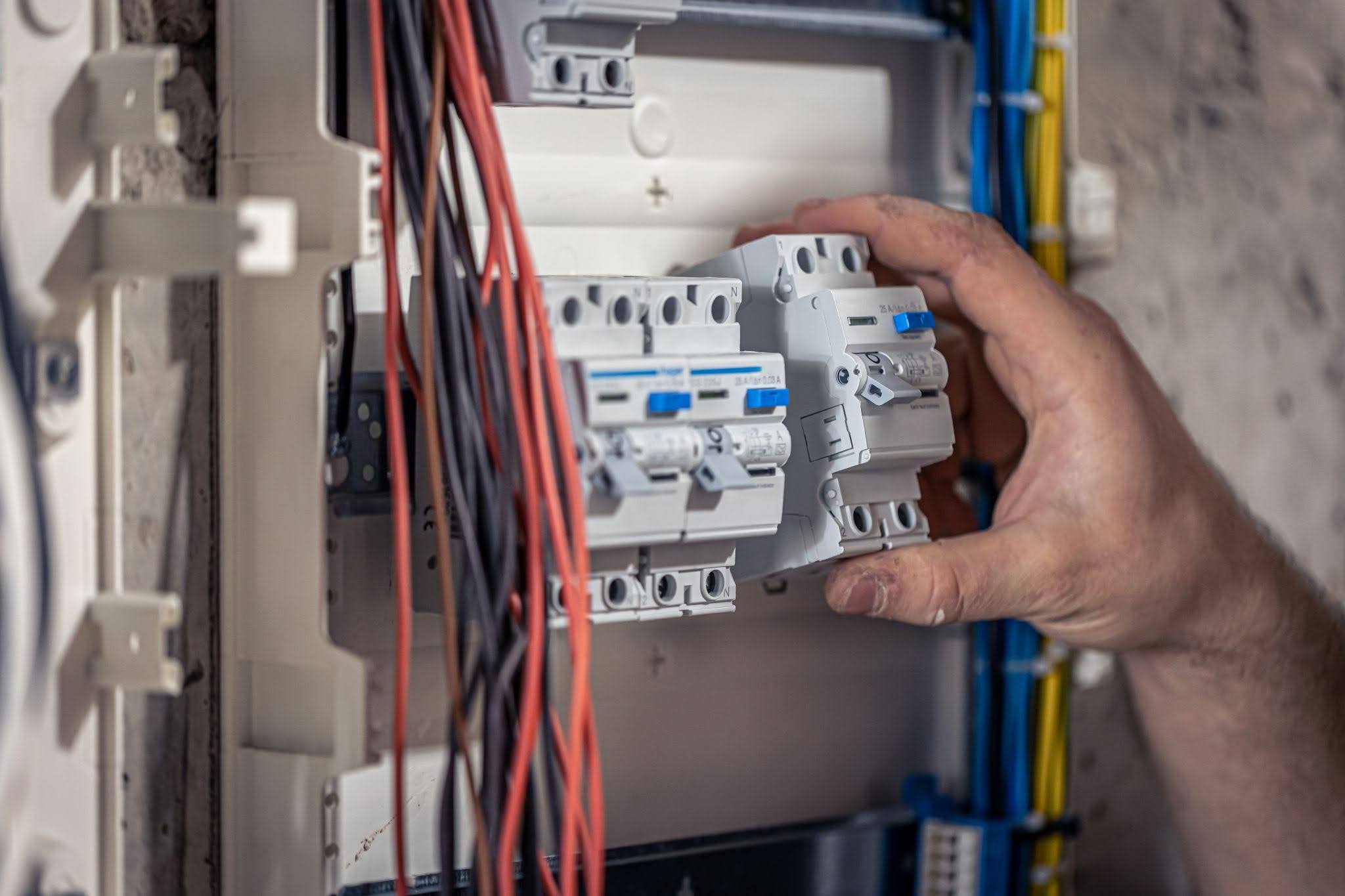
If a LED fixture or lightbox is not powering on, check the connections in sequence before assuming the fixture is damaged: (1) confirm the power cable is fully seated at both ends; (2) check the inline fuse if the fixture has one — a blown fuse is a $1 fix that resolves a seemingly dead fixture in two minutes; (3) swap the power cable with a known-working cable from another fixture if available. If the fixture still fails to power on after these steps, the issue is internal and requires a replacement unit or a professional technician — it is not a field repair. Carry three spare inline fuses (the type used in your exhibit’s lighting, typically 1A or 2A mini blade fuses) in your repair kit.
How Do You Repair or Replace Damaged Trade Show Graphics?
Graphics are the highest-visibility component of any booth — damage to the back wall graphic is visible from 20 feet away and registers as a credibility signal to every visitor who passes the booth. Understanding what graphic damage is repairable on-site versus what requires replacement is essential for making the right call under show-floor time pressure. For a complete overview of graphic types, materials, and production specifications, the trade show booth graphics guide covers every format in detail.
What Can Be Fixed On-Site
Minor surface contamination — fingerprints, dust, light scuffs — on fabric graphics can be spot-cleaned with a damp microfiber cloth and a small amount of mild fabric cleaner. Small corner lifts or edge separations on vinyl graphics can be re-adhered with graphic mounting tape or strong double-sided tape applied carefully behind the lifted edge. Light tension wrinkles in fabric graphics are typically resolved by the graphic warming to room temperature after shipping in a cold freight container — give the display 30 to 60 minutes from installation before assessing whether tension issues require intervention.
What Requires a Replacement Print
A crease in the focal area of a back wall graphic — the center panel, the headline area, or any region containing a face or product image — that is visible from aisle distance is not repairable on-site. Steam reduces wrinkles but cannot eliminate a hard crease in a fabric print. A tear in any graphic surface is not repairable without leaving a visible patch. Graphics with color fading, print banding (horizontal lines across the image from a printer malfunction), or significant UV yellowing on white backgrounds should be replaced rather than repaired — these defects broadcast the age and condition of the display to every qualified visitor who enters the booth.
Emergency Same-Day Printing Options in Las Vegas
Las Vegas has a well-developed exhibit services industry specifically because of the volume of conventions held there annually. Several exhibit graphics vendors near the Las Vegas Convention Center and Mandalay Bay Convention Center offer same-day or next-day fabric and vinyl graphic reprints for standard formats. Prices are significantly higher than advance production — expect to pay two to four times the standard rate for emergency turnaround — but a same-day replacement print for a damaged back wall is almost always the correct economic decision when weighed against two or three days of reduced aisle conversion at a major show. Keep a copy of your graphic files (print-ready PDFs or high-resolution artwork) accessible from a cloud storage account or USB drive at all times during the show.
What Tools Should You Bring to Handle On-Site Booth Repairs?
A compact, targeted repair kit covering the most common exhibit failures adds less than 5 pounds to your carry-on bag and resolves the majority of setup-day and show-day issues without waiting for I&D labor or exhibit house support. The what to bring to a trade show guide covers the full exhibitor checklist by category; the repair kit below is the exhibit-specific subset that should travel with the exhibit manager personally.
| Tool / Supply | What It Repairs | Size / Weight |
|---|---|---|
| Hex key set (3mm–6mm) | Frame fasteners on aluminum extrusion systems — the most common hardware fix | Small pouch, under 4 oz |
| Phillips and flathead screwdrivers | Counter and pedestal assembly, monitor mount adjustment, electrical panel screws | 2-piece set, under 3 oz |
| Rubber mallet | Panel connections that require seated pressure without metal-on-metal impact risk | Under 8 oz |
| Gaffer tape (1 roll) | Cable management, carpet lifting, temporary graphic edge repair, surface protection during setup | Under 6 oz |
| Double-sided tape (foam and flat) | Re-adhering lifted vinyl graphic edges, securing loose velcro panels, temporary hardware fixes | Under 2 oz |
| Loctite Blue thread locker | Recovering stripped threads on aluminum frame connectors — prevents recurrence | Small tube, under 1 oz |
| SEG bead insertion tool | Re-seating pulled SEG fabric graphic edges into aluminum channel frames | Under 1 oz |
| Handheld garment steamer | Removing fold creases and tension wrinkles from fabric graphics after shipping | 12–18 oz including water |
| Spare inline fuses (1A, 2A) | Restoring power to LED fixtures with blown fuses — instant fix, $1 part | Under 1 oz |
| Spare hex bolts and locknuts (assorted) | Replacing lost or stripped fasteners on modular frame systems during setup | Small bag, under 2 oz |
| Microfiber cloths and mild fabric cleaner | Spot-cleaning fabric graphics, polishing acrylic or glass display surfaces, removing fingerprints from monitors | Under 4 oz |
| USB drive with print-ready graphic files | Enabling emergency graphic reprint at a Las Vegas vendor without waiting for file transfer from home office | Under 0.5 oz |
When Should You Call Your Exhibit House for Booth Repair?
The threshold for calling your exhibit house rather than attempting an on-site repair is structural integrity and visible damage in the primary sightline. Any repair that affects the booth’s structural stability — a cracked load-bearing frame member, a compromised mounting system for a large monitor or hanging sign, a damaged rigging point — requires a professional assessment before the booth opens. Attempting to load-bear a cracked structural element is a safety issue, not just a cosmetic one.
Structural Frame Damage
Cracked aluminum extrusion, a bent frame member that prevents the structure from assembling square, or a connector that fails to hold tension under normal booth loading are all structural failures that require the exhibit house’s technical team. For Las Vegas-based exhibit houses, on-site support is typically available during move-in windows — confirm your exhibit vendor’s on-site contact and emergency phone number before you arrive at the venue, not after the problem appears. A bent extrusion piece that was not caught before shipping often requires a replacement part from the vendor’s local inventory, which a Las Vegas-based exhibit house can supply from their facility.
Electrical System Failures
Wiring damage inside the booth’s electrical distribution system — as opposed to a bad cable or blown fuse — is not a field repair. Internal wiring failures require a licensed electrician, and most convention centers prohibit exhibitors from opening or modifying electrical enclosures themselves. If a circuit breaker inside a custom lightbox or lighting controller keeps tripping, or if a wiring harness shows visible damage (melted insulation, exposed wire), power down the affected component and call the show’s electrical services contractor rather than attempting the repair. Convention center electrical violations carry fines and can result in power being cut to the booth.
Graphics That Affect Competitive Appearance
The judgment call for graphics is not ‘is it technically repairable?’ but ‘will a visitor in my target ICP notice this, and if so, what impression does it create?’ A small corner lift on a side panel that is below eye level at visitor distance is a low-priority repair. A crease across the center of the back wall headline graphic is a high-priority replacement — it directly affects the first impression of every visitor who passes the booth. Call your exhibit house or a local graphics vendor for a same-day replacement whenever the damage falls in the primary sightline from the aisle.
How Do You Prevent Trade Show Booth Damage During Shipping and Setup?
The majority of significant trade show booth repair situations are preventable — they result from packing errors, inadequate crating, or rushed setup procedures rather than unavoidable accidents. The trade show packing list covers the full logistics checklist; this section focuses specifically on the exhibit hardware protection practices that reduce repair frequency.
Crating and Case Standards
Professional exhibit crates are engineered for the drayage handling environment — forklift contact, stacking under other freight, and extended storage in the advance warehouse. Cases with foam-lined interiors, reinforced corners, and locking hardware protect frame components and graphic panels from the impact forces that are routine in freight handling. Soft cases and cardboard boxes are appropriate only for light accessories; any structural frame component or large-format graphic should travel in a rigid case with interior padding rated for the component’s weight and fragility. Inspect cases for damage after every show — a cracked case corner or a compromised latch that is not repaired before the next show will fail at the worst possible moment.
Graphic Packing Procedures
Fabric graphics should be rolled — never folded — when packed for shipping. Rolling around a cardboard tube (minimum 3-inch diameter) and placing the rolled graphic inside a rigid tube case prevents the hard creases that are visible after folding and cannot be steamed out under time pressure. Vinyl graphics should be rolled face-out around a large-diameter tube and wrapped with tissue or craft paper to prevent surface-to-surface contact. Any graphic stored or shipped in a flat state — particularly in a crate where it can shift and be compressed under other components — risks crease damage that is expensive to reprint and impossible to eliminate on-site.
Frame Component Labeling and Inventory
Every frame component in a modular exhibit system should be labeled with the exhibit name, component ID, and the assembly diagram reference number. A consistent labeling system enables setup crews to identify missing or swapped components immediately — before they discover the problem mid-assembly when a part that should exist does not. After each show, conduct a component inventory count against the master list before packing the crate. Components found to be bent, cracked, or otherwise compromised should be flagged immediately and replaced before the next show rather than packed and hoped to survive another round of drayage.
Pre-Show Assembly at Your Exhibit House
The most effective damage-prevention practice for owned exhibits is pre-show assembly at your exhibit house — assembling the complete booth before shipping to verify every component is present, undamaged, and correctly assembled. Pure Exhibits pre-builds every rental exhibit at the Las Vegas facility before delivery to the show floor, giving clients a visual confirmation of the complete booth before the show opens. For owned exhibits, schedule a pre-show build at your exhibit house or at your own facility 2 to 3 weeks before the show — enough time to order replacement parts for anything damaged or missing before the freight deadline.
What Should You Do If Your Booth Arrives Damaged at a Las Vegas Show?
Shipping and drayage damage is not uncommon at major Las Vegas conventions — thousands of freight pieces move through the advance warehouse and loading dock in a compressed window, and the handling is not always gentle. Knowing the correct response sequence when you open a crate and find damage determines whether the situation is resolved before the show opens or becomes a multi-day problem. For Las Vegas show logistics overview and venue-specific information, the las vegas trade show booth rentals page covers Pure Exhibits’ LV capabilities including local inventory support for rental clients.
Step 1: Document Before Touching Anything
Before moving or attempting to repair any damaged component, photograph the damage in context — the crate or case it arrived in, the position of the damaged item, and the damage itself at close range. This documentation is required for freight carrier damage claims and for insurance purposes. If the crate exterior shows visible impact damage (dents, crushed corners, broken latches), photograph that as well. A damage claim filed without photographic documentation of the condition upon receipt is significantly weaker than one supported by timestamped photos taken before the crate was unpacked.
Step 2: Assess Severity and Classify the Damage
Separate the damage into three categories: items that prevent assembly or create a safety hazard (structural frame failures, compromised rigging hardware, damaged electrical systems), items that are visible defects in the primary sightline (graphic damage, major surface damage on key panels), and items that are cosmetic or peripheral (damage to storage areas, minor surface marks on non-visible surfaces, accessory damage). Address the first category immediately by calling your exhibit house’s on-site contact. Address the second category by initiating a same-day replacement order if the damage is in the primary sightline. Address the third category after the booth is operational.
Step 3: Contact Your Exhibit House Immediately
Call your exhibit house’s on-site or emergency line as soon as significant damage is identified — do not wait until the end of setup to report. For Las Vegas-based exhibit houses, local inventory access means replacement frame components, graphic panels, or hardware can often be delivered to the show floor within the same setup day. The earlier you report the damage, the more time the exhibit house has to source a replacement from local inventory before the show opens. If your exhibit house does not have a Las Vegas local inventory or on-site support contact, identify this limitation before the show — not during a setup-day emergency.
Step 4: File the Freight Carrier Claim Within the Window
Freight carrier damage claims have a filing window — typically 9 months for concealed damage (damage discovered after delivery that was not visible on the exterior of the crate) and a shorter window for visible damage noted at delivery. File the claim within that window with your photographic documentation, a description of each damaged item, and the estimated replacement cost for each component. Damage claims for trade show exhibit components should include the retail replacement cost of the damaged piece — not the depreciated book value — as exhibits are functional equipment whose damage directly impacts the program’s commercial performance.
How Does Renting a Booth Reduce Trade Show Booth Repair Costs and Risk?
One of the most significant and least-discussed advantages of renting a trade show exhibit is the transfer of repair and maintenance responsibility from the exhibitor to the exhibit house. When you rent, the exhibit house owns the hardware — and owns the responsibility for its condition. For a complete cost comparison between renting and owning over a multi-year program, the trade show booth rental cost guide provides the full breakdown by booth size and show market.
No Ownership of Aging Hardware
Owned exhibit hardware depreciates. Aluminum extrusions accumulate surface scratches, anodizing wears, frame connectors develop slop from repeated assembly cycles, and electrical systems age. After three to five years of regular show use, an owned exhibit typically requires $3,000 to $8,000 in component replacement and refurbishment to maintain a competitive appearance — on top of the routine repair costs incurred at each show. A rental client never experiences this curve: every rental is sourced from the exhibit house’s current inventory, maintained to the house’s quality standard, and replaced when components no longer meet that standard.
Graphics Are Reprinted Between Shows
A rental program typically includes fresh graphics for each show — not the same fabric print that has been installed, packed down, shipped, and reinstalled across a dozen events. Fresh graphics mean no accumulated crease history, no fading, no surface contamination from multiple handling cycles. For a company that exhibits at three to four Las Vegas shows per year, the cumulative graphic reprint cost under a rental program is built into the rental fee — the exhibitor does not manage separate print orders, quality checks, or storage between shows. The exhibition booth design process for rental clients at Pure Exhibits includes graphic design and production as part of the engagement — not as a separate vendor relationship to manage.
Local Inventory Eliminates Shipping Damage Risk
For Las Vegas shows, renting from a Las Vegas-based trade show booth builder eliminates the shipping leg entirely. Pure Exhibits assembles every rental at the Las Vegas facility, transports it to the convention center for the scheduled move-in window, and handles installation. The exhibit does not travel across the country in a freight crate — it moves from a local warehouse to the venue floor. This eliminates the primary source of frame damage and graphic panel damage for exhibitors who currently ship owned hardware from out of state. For companies attending two or more Las Vegas shows per year, the shipping damage risk reduction alone is a meaningful operational argument for local rental over owned hardware.
What Renting a 10×10 Means for Repair Exposure
A 10×10 trade show booth rental from Pure Exhibits includes pre-build at the Las Vegas facility, delivery to the show floor, professional installation by credentialed I&D labor, and post-show dismantle and return. If a component is damaged during the show, the exhibit house handles replacement — the exhibitor’s repair responsibility is limited to operational items (technology, marketing materials, giveaways) rather than exhibit hardware. This risk transfer is particularly valuable for companies without an in-house exhibit manager or with a small team that cannot spare a person to manage repair logistics during a busy show.
Conclusion
Trade show booth repair ranges from a two-minute hex key fix to a same-day emergency graphic reprint — and knowing which situation you are facing determines the correct response. The repair kit in Section 4 handles the majority of setup-day hardware and graphic issues that exhibitors encounter at major shows. Structural damage, electrical system failures, and primary-sightline graphic damage require a professional — either the exhibit house or the show’s I&D contractor. Documentation before touching anything is essential for freight claims.
The best trade show booth repair strategy is prevention: proper crating, rolled graphics, pre-show assembly, and component inventory after every show. For companies weighing whether the repair and maintenance burden of an owned exhibit is worth sustaining, renting from a Las Vegas-based exhibit house transfers that burden entirely — and eliminates the shipping leg that causes the majority of damage in the first place.
Let’s Build Something Extraordinary
Share your event details and we’ll craft a custom booth solution designed to captivate your audience and maximize your ROI.
Frequently Asked Questions
What should I do if my trade show booth is damaged?
Follow four steps in sequence: (1) Photograph all damage before touching anything — this documentation is required for freight carrier claims and insurance purposes. (2) Classify the damage by severity: structural failures and safety hazards first, primary-sightline graphic damage second, cosmetic and peripheral damage third. (3) Contact your exhibit house’s on-site or emergency line immediately for structural failures and graphics that require same-day replacement — the earlier you report, the more time the vendor has to source from local inventory. (4) File the freight carrier damage claim within the carrier’s filing window with your photographic documentation and replacement cost estimates for each damaged component.
Can I repair my trade show booth myself on-site?
Yes — for the majority of hardware issues. Loose fasteners, counter wobble, SEG fabric that has pulled out of its channel, LED fixtures with blown fuses, minor carpet or flooring tile lifting, and graphic creases in non-focal areas are all within exhibitor self-repair capability with the right tools. What you should not attempt yourself: structural frame repairs on load-bearing members, electrical system wiring repairs inside distribution panels, and graphic damage in the primary sightline where a same-day replacement is the appropriate solution. The on-site repair toolkit listed in this guide covers the tools needed for exhibitor-level repairs — it weighs under 3 pounds and fits in a carry-on bag.
How do I fix a creased trade show graphic?
The fix depends on the graphic material and the severity of the crease. For fabric graphics (SEG, tension fabric, dye-sublimated polyester), a handheld garment steamer applied to the back of the graphic at 6-inch distance relaxes light fold creases and tension wrinkles in most cases. Allow the graphic to hang for 30 minutes after steaming before assessing whether additional treatment is needed. For vinyl graphics, steam is not effective; minor surface crinkles often relax at room temperature over 30 to 60 minutes, but a hard crease in vinyl does not. If the crease is in the focal area of the back wall — visible from aisle distance — order a same-day replacement rather than attempting to minimize it. A crease across the headline area of a back wall graphic is visible to every visitor who passes the booth.
How do I fix SEG fabric that has come out of the frame?
SEG (silicone edge graphic) fabric that has pulled out of its aluminum channel frame can be re-seated by pressing the silicone bead sewn into the fabric’s edge back into the routed channel in the frame extrusion. Use a SEG bead insertion tool — a small plastic or rubber roller available from most exhibit graphics suppliers for under $20 — to press the bead into the channel with consistent pressure along the entire pulled section. Work from the corner of the affected section toward the center, pressing the bead into the channel approximately 3 to 4 inches at a time. If the fabric continues to pull out after reseating, the channel may be damaged or the fabric may be slightly oversized — contact your exhibit house for assessment.
What tools should I bring for trade show booth repair?
The essential on-site repair toolkit includes: hex key set (3mm to 6mm), Phillips and flathead screwdrivers, rubber mallet, gaffer tape, double-sided tape (foam and flat), Loctite Blue thread locker, SEG bead insertion tool, handheld garment steamer, spare inline fuses (1A and 2A), assorted spare hex bolts and locknuts, microfiber cloths and mild fabric cleaner, and a USB drive with print-ready graphic files. This kit weighs under 3 pounds complete, fits in a personal bag, and covers the majority of setup-day and show-day hardware and graphic issues that exhibitors encounter at major shows. Assign the kit to the exhibit manager personally — it should travel on the plane, not in the freight shipment.
How do I prevent my trade show booth from being damaged during shipping?
The primary damage-prevention practices are: use rigid professional exhibit cases with foam-lined interiors for all structural frame components; roll fabric graphics around a large-diameter tube rather than folding them; label every component with exhibit name and assembly reference; conduct a component inventory count after every show before packing; inspect cases for damage after every show and repair or replace compromised hardware before the next shipment; and schedule a pre-show assembly at your exhibit house 2 to 3 weeks before the show to identify missing or damaged components while there is still time to order replacements before the freight deadline. For Las Vegas shows, renting from a local exhibit house eliminates the shipping leg entirely.
Does my trade show booth insurance cover shipping damage?
Most exhibitor liability insurance policies do not cover exhibit hardware damage in transit — that is the domain of the freight carrier’s cargo liability and your own inland marine or property floater insurance. Review your current policy to determine whether your exhibit hardware is covered during transit and at the show venue, and what the coverage limit is relative to the replacement value of your exhibit. If your exhibit hardware is valued at $25,000 or more, a dedicated inland marine rider may be appropriate. File freight carrier damage claims within the carrier’s specified window — typically 9 months for concealed damage — and document replacement costs, not depreciated book value, when filing claims for commercial exhibit hardware.
Can my exhibit house repair my booth at the show?
Yes — most professional exhibit houses offer on-site repair support for major shows, particularly in Las Vegas where the concentration of convention activity justifies maintaining a local technical team. The availability and response time vary by vendor; confirm before the show whether your exhibit house has an on-site contact or emergency repair capability for the specific show you are attending. Las Vegas-based exhibit houses typically have the fastest response time and the most direct access to replacement parts from local inventory. If your exhibit vendor is based in another city and does not maintain a Las Vegas presence, identify a local Las Vegas exhibit service company as a backup repair resource before the show opens.
How much does trade show booth repair cost?
Repair costs vary widely by damage type and what is required to resolve it. Exhibitor-level repairs with on-hand tools cost near zero — the repair kit itself is under $150 and resolves dozens of incidents over its lifetime. I&D labor for professional structural repairs at a major Las Vegas show runs $85 to $150 per hour per worker, with a two-hour minimum per worker. Emergency same-day graphic reprints run two to four times the standard production rate — a back wall graphic that costs $400 at normal production turnaround may cost $800 to $1,600 for same-day delivery at a Las Vegas show. Component replacement costs for frame hardware range from $50 for a single connector to $500 or more for a complete extrusion section, depending on the system.
How do I store my trade show booth to prevent damage between shows?
Store exhibit hardware in a climate-controlled space — not an unheated warehouse or outdoor storage unit. Temperature extremes and humidity cycles degrade fabric graphics, warp rigid substrates, and can cause aluminum components to develop surface oxidation. Store each component in its dedicated case or crate, with interior foam or padding in place. Never stack heavy crates on top of soft cases or graphics tubes. Conduct a complete inspection of every component at the start of each storage period (after the show) and at the end (before the next show), with a checklist that records the condition of each piece. Components that are borderline at the end of one show become unacceptable after another shipping cycle — identify and replace them before they fail at the show.
What should I do if my trade show graphics are wrinkled after shipping?
If your graphics are rolled properly in a tube case, wrinkles upon arrival are usually tension wrinkles from the roll — not hard creases. These typically relax within 30 to 60 minutes of being installed and reaching room temperature in the convention hall. If wrinkles persist after that window, apply a handheld garment steamer to the back of the fabric at 6-inch distance, moving slowly across the affected area. For graphics shipped flat or folded (which should be avoided), hard fold creases may not fully steam out and may require a replacement print if they fall in the primary sightline. For vinyl graphics, allow 60 minutes of room-temperature hang time before assessing — forced heat (hair dryer, heat gun) can damage vinyl surfaces and should not be used.
Is it worth repairing an older trade show booth or should I replace it?
Evaluate the repair-vs.-replace decision against three factors: the cost of the repair relative to the replacement value of the exhibit, the remaining competitive life of the exhibit’s design and graphics, and the frequency of repair incidents across recent shows. An exhibit that requires $4,000 in repairs and has a current replacement value of $8,000 is at the 50 percent threshold — often a replacement trigger. An exhibit whose design is more than four to five years old may require graphic and structural updates that approach the cost of a new rental or purchase, making replacement the more economical path. Exhibits that required significant repairs at two or more consecutive shows are showing systemic wear — the next repair is predictable, and replacement removes the risk of a third incident at a critical show.