

Freight gets lost in transit. Forklifts clip booth structures during move-in. Attendees trip on cable management at demo stations. Neighboring exhibitors damage your graphics during teardown. These are not rare edge cases — they are documented, recurring events at trade shows of every size, in every industry. The exhibitors who experience them without the right coverage absorb the full financial hit: replacement costs for damaged property, legal costs for liability claims, and non-refundable show fees for cancelled events. The ones who planned ahead file a claim and get back to work.
Trade show exhibit insurance is the category of coverage that protects your exhibit investment — the booth structure, graphics, AV equipment, and any products you bring to the floor — as well as your liability exposure for anything that happens at or around your booth. It is not optional at most venues. The vast majority of convention centers require proof of general liability coverage before you can begin setup. But understanding the difference between what is required and what is sufficient is where most exhibitors leave themselves exposed. This guide covers every coverage type, how much you need, what is commonly excluded, and how to structure a policy that actually protects a real exhibit investment. Note: this article provides general information only and is not a substitute for advice from a licensed insurance professional. Always consult a qualified broker before purchasing coverage.
Insurance is a required line item in any honest trade show budget — and understanding it before your first show is far less expensive than learning about it after an incident.
Exhibiting at an upcoming show?
Pure Exhibits designs and delivers exhibit rentals that reduce your property risk from day one.
What Types of Coverage Does Trade Show Exhibit Insurance Include?
Exhibit insurance is not a single policy — it is a set of coverage types that together protect different aspects of your show participation. Most exhibitors need at least two or three of these simultaneously, and some shows or venues require specific combinations as a condition of exhibiting. Understanding each type independently is the first step to building a coverage plan that matches your actual exposure.
| Coverage Type | What It Covers | Who Needs It | Typically Required? |
|---|---|---|---|
| Exhibit property / inland marine | Booth structure, graphics, displays, AV equipment in transit and on-site | All exhibitors with owned or rented exhibit materials | Often required by venue |
| General liability | Third-party bodily injury and property damage at or around your booth | All exhibitors — no exceptions | Yes — almost universally required |
| Workers’ compensation | Injuries to your own staff during setup, show, and teardown | Any exhibitor whose staff performs physical setup labor | Required in most states |
| Cancellation / event disruption | Non-refundable show fees if the event is cancelled or your participation is disrupted | Exhibitors with large upfront space and travel costs | Optional but recommended |
| Product liability | Claims arising from bodily injury or property damage caused by your product | Exhibitors doing product demos, sampling, or giveaways | Often required for food/beverage and physical products |
| Hired & non-owned auto | Liability for rented trucks or personal vehicles used to transport exhibit materials | Exhibitors self-transporting exhibit materials | Situational — check rental agreements |
The most commonly overlooked coverage is cancellation insurance, particularly for exhibitors with significant upfront commitments. If a show is cancelled due to weather, a public health event, or organizer failure, standard property and liability policies do not reimburse your non-refundable booth space fees, pre-paid hotel blocks, or purchased airfare. Cancellation coverage is purchased separately and is priced as a percentage of your total insured show investment — typically 1–3% of the amount you want protected.
How Much Coverage Do You Actually Need as an Exhibitor?
Coverage limits are where exhibitors most commonly underinsure — either by accepting the minimum the venue requires without assessing whether it reflects their actual exposure, or by purchasing a generic policy without declaring the true value of their exhibit materials. Both approaches leave real gaps.
| Exhibit Size / Investment | Recommended GL Limit | Recommended Property Limit | Notes |
|---|---|---|---|
| 10×10 — booth value under $15,000 | $1M per occurrence / $2M aggregate | $15,000–$25,000 | Minimum most venues will accept |
| 10×20 — booth value $15,000–$40,000 | $1M per occurrence / $2M aggregate | $40,000–$60,000 | Include AV and tech equipment value |
| 20×20 island — booth value $40,000–$80,000 | $2M per occurrence / $4M aggregate | $80,000–$120,000 | Add product liability if demoing |
| Custom/large exhibit — value $80,000+ | $2M–$5M per occurrence | $120,000–$300,000+ | Consult broker; may need umbrella policy |
When calculating your property coverage limit, include every asset you are bringing to the show: the booth structure itself, all graphic panels and banners, AV equipment (monitors, tablets, kiosks, speakers), giveaway inventory, product demo units, and any custom fabricated elements. An exhibition booth design for a 10×20 booth can represent $25,000–$50,000 in total assets once all components are counted. Insuring that investment for $10,000 because that is the default policy limit creates a coverage gap that falls entirely on you.
For general liability, the standard minimum at most convention centers is $1 million per occurrence with a $2 million aggregate. Many venues — and particularly major shows in union cities — require exhibitors to name the venue, the show organizer, and the general service contractor as additional insureds on the policy. This is a specific endorsement that your broker adds to the certificate of insurance. Arriving at setup without it is one of the most common causes of move-in access being denied.
What Does Trade Show Exhibit Insurance Typically Not Cover?
Exclusions are the part of any insurance policy that catches exhibitors off guard — usually at the worst possible moment. Reading your policy’s exclusions section before a claim is far more useful than reading it after. The most common gaps in standard exhibit coverage are predictable and addressable if you know to look for them.
| Common Exclusion | What It Means | How to Address It |
|---|---|---|
| Gradual deterioration / wear and tear | Damage from normal aging or repeated use is not covered | Document pre-show condition with photos; use rental booths to transfer this risk |
| Unattended exhibit during non-show hours | Theft or damage when no staff present may be excluded | Confirm with insurer; add security rider or schedule overnight security |
| Mysterious disappearance | Loss without evidence of theft is often excluded | Maintain an itemized inventory list; document all items with serial numbers |
| Acts of nature / force majeure | Hurricanes, floods, earthquakes — not in standard property policy | Add separate natural disaster rider for outdoor or coastal venues |
| Electrical or mechanical breakdown | Equipment failure not caused by external event | Covered under separate equipment breakdown endorsement |
| War, terrorism, and civil unrest | Standard exclusion in most commercial policies | Terrorism rider available from specialty insurers for major urban shows |
| Intentional damage by your own staff | Vandalism or misuse by employees | Covered under internal HR policy, not exhibit insurance |
One exclusion that requires particular attention for exhibitors at large urban shows: unattended exhibit coverage. Most property policies cover loss and damage while your staff is present. After show hours — when the floor is cleared and your booth sits unattended overnight — coverage may be restricted or excluded. Confirm your policy’s language on this point explicitly, particularly if your exhibit includes high-value items like medical devices, electronics, or branded merchandise that could be targeted during non-show hours. Some policies offer an overnight extension endorsement; others require you to arrange private security for the booth to maintain coverage.
What Are the Venue and Show Requirements for Exhibitor Insurance?
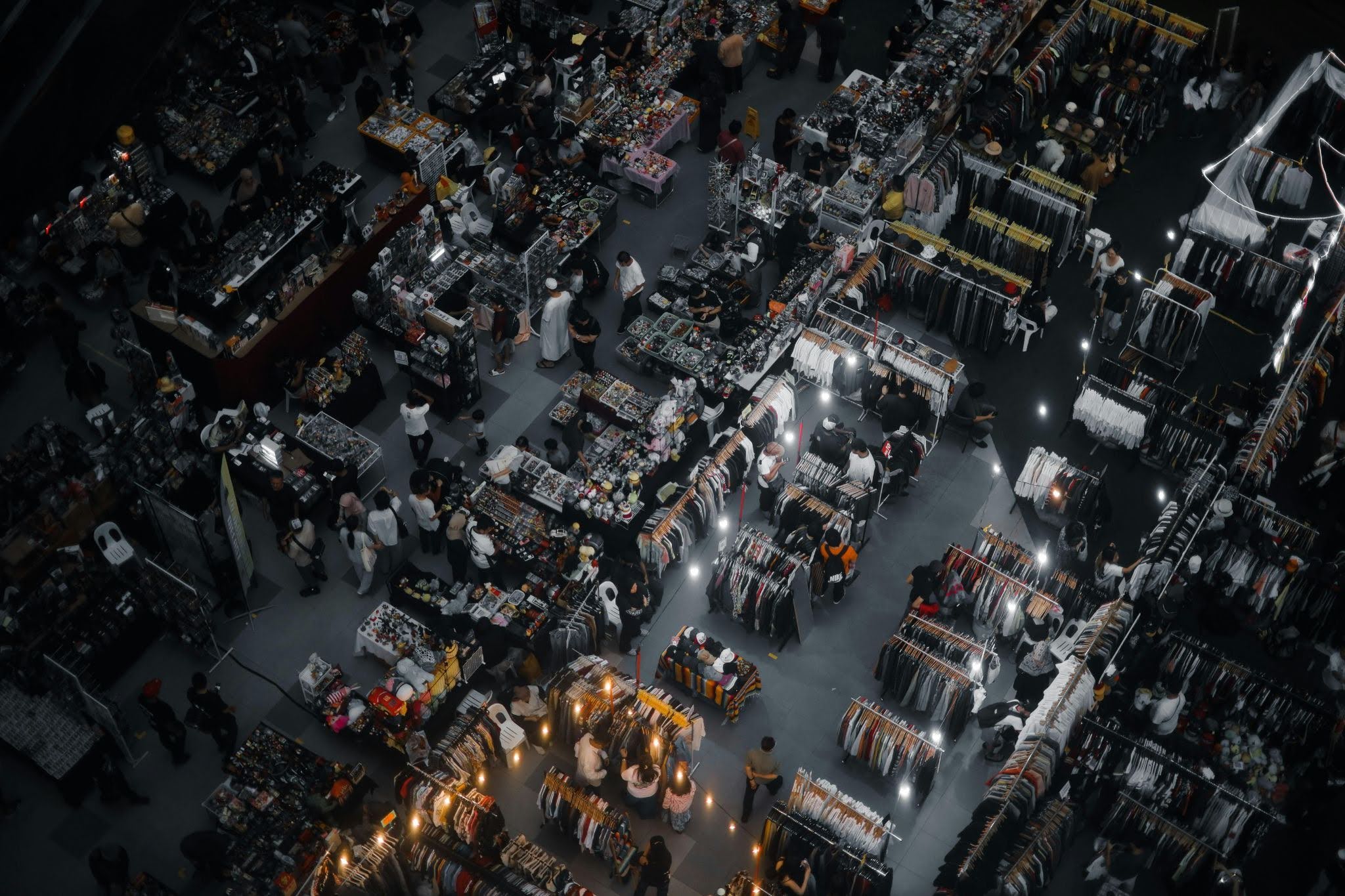
Every major convention venue has its own insurance requirements, and they are enforced. The certificate of insurance — a one-page document your insurer provides that summarizes your coverage — is submitted to show management as part of the exhibitor compliance process. Without it, you will not be permitted to begin setup. At Las Vegas trade shows and other major convention center venues, these requirements are strictly enforced and non-negotiable. Trying to obtain coverage the week before the show opens is both expensive and stressful — this is always addressed further in advance.
What the Certificate of Insurance Must Include
Venue and show requirements vary, but most certificates of insurance for trade show participation must specify: the effective dates of coverage (bracketing the full show period including move-in and move-out days, not just show floor hours), the named insured (your company), the additional insureds (typically the venue, the show organizer, and sometimes the general service contractor), the coverage type and limits, and the insurer’s AM Best rating (most venues require A- or better).
Named Additional Insured Requirements
The requirement to name the venue as an additional insured is the most commonly missed compliance item among first-time exhibitors. It means the venue’s name appears explicitly on your certificate as a party covered by your policy — not just your company. This is an endorsement that must be added by your insurer or broker before the certificate is generated. If you submit a certificate without it, the compliance team will reject it and you will need to reissue — which takes time you may not have during move-in week.
Move-In and Move-Out Coverage
Your coverage dates must include the full move-in and move-out period, not just the days the show floor is open to attendees. The highest-risk periods for exhibit property damage are move-in and move-out — when freight is being moved by forklifts, booth structures are being assembled in crowded aisles, and the floor is populated with crews working under time pressure. Confirm your policy effective dates extend to the first day of move-in access and the last day of move-out.
How Does Insurance Work Differently for Rental Versus Owned Exhibits?
Whether your exhibit is owned or rented has a direct impact on how your insurance coverage should be structured. Exhibitors who own their booth carry the full property risk — depreciation, replacement cost gaps, storage exposure between shows. Exhibitors who use trade show booth rental cost-optimized rental exhibits transfer a significant portion of property risk to the rental company, but the specific terms of the rental agreement determine exactly what exposure remains with the exhibitor.
| Insurance Factor | Owned Exhibit | Rental Exhibit |
|---|---|---|
| Property coverage responsibility | Exhibitor insures full replacement value | Rental company may carry base coverage; exhibitor covers damage liability |
| Depreciation risk | Owned assets depreciate — ACV payout may be less than replacement cost | Rental eliminates depreciation exposure — you pay for the rental period only |
| Transit liability | Exhibitor responsible for exhibit in transit | Rental company often responsible in transit to first show site |
| Damage excess liability | You absorb repair or replacement cost | Rental agreements define damage liability — read the contract carefully |
| Storage risk | Owned exhibit at risk in storage between shows | No storage exposure — rental company holds the asset |
| Recommended add-on | Replacement cost endorsement to avoid ACV gap | Review rental agreement indemnification clause before signing |
If you are renting an exhibit, read your rental agreement’s indemnification and damage liability clause carefully before signing. Most rental agreements hold the exhibitor responsible for damage that occurs while the exhibit is in their care — from the moment it is delivered to the show site until it is picked up after teardown. That liability exposure needs to be covered under your exhibit property policy for the duration of the show. Ask your rental provider for the declared replacement value of the exhibit so you can set your coverage limit accordingly. Pure Exhibits provides this documentation as a standard part of the rental process.
How Do You Find and Purchase the Right Exhibit Insurance Policy?
There are three primary routes to obtaining trade show exhibit insurance: through your existing business insurance broker, through a specialty event insurance provider, or through the show organizer’s recommended or required program. Each has trade-offs in cost, coverage flexibility, and processing speed. Building this into your trade show preparation guide timeline ensures you are not scrambling for coverage the week before the show.
Option 1: Your Existing Business Insurance Broker
If your company already carries a commercial general liability policy and a business owners policy (BOP) or commercial property policy, your existing broker may be able to add trade show coverage as a rider or endorsement. This is often the most cost-effective route if you attend multiple shows per year, and it keeps all your coverage under one broker relationship. Ask specifically about inland marine coverage for exhibit materials in transit and on-site, and confirm whether the policy can be extended to cover additional insureds at multiple venues.
Option 2: Specialty Event Insurance Providers
Several insurers specialize specifically in trade show and event coverage. These providers understand the specific exposure profile — transit damage, move-in liability, unattended overnight risk — and their policies are pre-structured for exhibitor needs. Short-term, per-event policies are available from most specialty providers and are a practical option for exhibitors who attend only one or two shows per year and do not want to carry an annual policy.
Option 3: Show Organizer Programs
Many large shows offer a recommended or built-in insurance program through a preferred provider, accessible directly through the exhibitor portal. These programs are convenient — the coverage is pre-configured to meet venue requirements, and the certificate is generated automatically. However, they are not always the best value, and they may offer limited customization for exhibitors with specific coverage needs. Compare the show program’s coverage and premium against a standalone policy before defaulting to it.
Get a Custom Booth Design
Pure Exhibits clients receive exhibit replacement value documentation to support their insurance coverage.
How Much Does Trade Show Exhibit Insurance Cost?
Insurance premiums for exhibit coverage vary based on the value of your exhibit materials, your liability limits, the number of shows you attend annually, your claims history, and the specific shows and venues you are covering. The table below gives realistic cost ranges by coverage type as a planning baseline — consult a licensed broker for accurate quotes based on your specific situation. Include these costs in your first time exhibitor guide budget planning so they are not surprises when the invoice arrives.
| Coverage Type | Typical Annual Premium | Per-Show / Short-Term Option | Notes |
|---|---|---|---|
| General liability (standalone) | $500–$1,500/year | $150–$400 per event | Short-term event policies widely available |
| Exhibit property / inland marine | $300–$1,200/year | $100–$350 per event | Based on declared value of exhibit materials |
| Cancellation insurance | $200–$800/year | $150–$600 per event | Premium = 1–3% of insured show investment |
| Product liability (add-on) | $200–$600/year add-on | Bundled with GL for demos/sampling | Required at most food and medical shows |
| Workers’ compensation | $400–$2,000/year | Varies by state and payroll | Required in most states regardless of show |
| Full exhibitor package (bundled) | $1,200–$4,000/year | $400–$1,200 per event | Most cost-effective for 3+ shows per year |
The most cost-effective structure for exhibitors who attend three or more shows per year is an annual blanket policy that covers all show participations under a single premium — rather than purchasing per-event coverage separately each time. Annual policies typically cost 30–50% less in total premium than equivalent per-event policies purchased individually. The blanket approach also eliminates the risk of forgetting to purchase coverage for a specific show — a gap that has real consequences when something goes wrong during move-in.
What Should You Do If Something Goes Wrong at a Trade Show?
The value of having trade show exhibit insurance is realized entirely in how you respond when an incident occurs. A policy that is never needed costs money; a policy that exists but is never properly claimed still costs money. Knowing the correct steps to take immediately after an incident is what determines whether a claim is paid in full, partially, or denied on procedural grounds. Pair this with careful planning during trade show installation to minimize the likelihood of an incident in the first place.
| Step | Action | Timing |
|---|---|---|
| 1 | Document the damage with photos and video from multiple angles | Immediately — before anything is moved or repaired |
| 2 | Notify the venue’s show management team and file an incident report | Within 1 hour of discovery |
| 3 | Contact your insurance broker or insurer’s claims line | Same day — most policies have a prompt notification requirement |
| 4 | Preserve all damaged items — do not dispose or repair before adjuster review | Until claim is filed and adjuster confirms |
| 5 | Gather all purchase receipts, invoices, and rental agreements for claimed items | Within 24–48 hours |
| 6 | Obtain a written repair or replacement estimate from a qualified vendor | Within 5–7 days of incident |
| 7 | Submit completed claim form with all documentation to insurer | Per policy deadline — typically 30–60 days from incident |
The most critical step in the entire claims process is documentation before anything is disturbed. Insurance adjusters evaluate claims based on evidence — photographs, incident reports, and itemized damage assessments taken at the time of the incident. Exhibitors who move, repair, or discard damaged items before documentation is complete frequently have claims reduced or denied on the grounds that the extent of damage cannot be verified. Keep your phone charged and accessible throughout the show for exactly this reason: if something goes wrong, your first action is to document it, not fix it.
Also confirm with your trade show vendor and exhibit partners whether they carry their own liability and property coverage for work performed at your booth. Contractors who perform installation, AV work, or other services at your exhibit should carry their own general liability and workers’ compensation policies — and you should request certificates of insurance from them before they begin work. If a contractor injures themselves at your booth and they carry no workers’ compensation, the liability can shift to you.
The Right Coverage Costs a Fraction of What the Wrong Incident Does
Every exhibitor who has had a forklift clip their booth during move-in, had freight lost in transit, or had an attendee slip near their demo station knows exactly how quickly an uninsured incident turns into a significant financial problem. Trade show exhibit insurance is not a bureaucratic checkbox — it is the financial foundation that protects a real investment across every show you attend. Get the coverage types right. Set limits that reflect your actual exhibit value. Include the required additional insureds on your certificate. Know what is excluded before the show, not after. And build the premium into your exhibit budget the same way you build in booth rental, drayage, and travel — because it is just as real a cost, and far more consequential when it is missing. For exhibit rentals designed to minimize property risk and built by a partner who understands the full logistics of show participation, reach out to Pure Exhibits at purexhibits.com.
Let’s Build Something Extraordinary
Share your event details and we’ll craft a custom booth solution designed to captivate your audience and maximize your ROI.
Frequently Asked Questions
Is trade show exhibit insurance required by law?
General liability insurance is required by virtually all convention venues as a condition of exhibiting — it is a contractual requirement, not a legal mandate. Workers’ compensation insurance is legally required in most U.S. states for any company whose employees perform work, including trade show setup and teardown. Other coverage types (property, cancellation, product liability) are not legally mandated but are strongly recommended based on your specific exhibit investment and risk profile.
Can I use my existing business insurance for trade shows?
Possibly — but you need to verify explicitly with your broker. Standard business owners policies (BOPs) and commercial general liability policies may cover trade show participation, but they often have exclusions or limitations for property in transit, property at temporary locations, or activities outside your primary business address. Ask your broker to confirm coverage for exhibit materials in transit, at the venue during setup, and during the show period, and to add any required additional insured endorsements.
What is a certificate of insurance and how do I get one?
A certificate of insurance (COI) is a one-page summary document your insurer or broker generates that confirms your coverage is in force. It lists your policy type, limits, effective dates, and named insured. Most shows require you to submit a COI — with the venue and show organizer named as additional insureds — through the exhibitor compliance portal before setup access is granted. Your broker can generate a COI in 24–48 hours once the policy is confirmed.
What does inland marine insurance cover for exhibitors?
Inland marine insurance is the coverage type that protects portable property — in this case, your exhibit materials — while they are in transit and at temporary locations. It is the correct coverage for booth structures, graphic panels, AV equipment, and display items being shipped to and from trade shows. Standard commercial property policies typically cover assets at a fixed business address, not in transit or at off-site venues.
Do I need separate insurance if I rent my exhibit rather than own it?
Yes — or at minimum, you need to understand what your rental agreement specifies. Rental companies typically carry coverage for their own assets in transit and in storage, but the rental agreement will hold the exhibitor responsible for damage that occurs while the exhibit is in their care at the show site. That exposure needs to be covered under your own policy. Ask your rental provider for the declared replacement value of the exhibit and use that figure to set your property coverage limit.
What is product liability insurance and when do I need it?
Product liability insurance covers claims arising from bodily injury or property damage caused by a product you manufacture, sell, or demonstrate. At a trade show, this applies to live product demonstrations, sampling programs (especially food and beverage), and any physical product that attendees interact with at your booth. Many food, medical device, and consumer product shows require proof of product liability coverage as a condition of exhibiting.
How do I insure giveaway items and promotional products at a trade show?
Giveaway inventory and promotional merchandise are generally coverable under your exhibit property policy as scheduled items, provided you declare them and their value when purchasing coverage. If the total value of giveaway inventory is significant — over $5,000 — list it explicitly when talking to your broker so it is included in your declared value and reflected in your coverage limit.
Does my exhibit insurance cover theft overnight at the convention center?
This depends on your specific policy language. Some policies include overnight coverage as standard; others restrict or exclude coverage for theft from an unattended exhibit. Read your policy’s theft and unattended property provisions carefully before the show. If overnight coverage is excluded or limited, discuss adding an endorsement with your broker, or arrange private overnight security for high-value items.
What happens if the trade show is cancelled — am I covered?
Not under a standard property or liability policy. Show cancellation coverage is a separate product, often called event cancellation or non-appearance insurance. It reimburses non-refundable costs — booth space fees, travel, hotel deposits — if the show is cancelled due to specified causes (weather, organizer insolvency, public health emergency). It is purchased separately and priced as a percentage of the total show investment you want protected.
How far in advance should I arrange trade show insurance?
Aim to have your certificate of insurance ready at least 30 days before show move-in. Most exhibitor compliance portals have a submission deadline 2–3 weeks before setup begins. Processing an annual policy update or a new per-event policy through a broker typically takes 3–7 business days. If you are naming additional insureds or requesting venue-specific endorsements, add buffer time — a week minimum.
What AM Best rating do most convention centers require from insurers?
Most major convention centers require that your insurer carry an AM Best financial strength rating of A- (Excellent) or better. This rating reflects the insurer’s financial ability to pay claims. When purchasing coverage — especially from a specialty or online provider — confirm the insurer’s AM Best rating before binding the policy. A certificate from a non-rated or below-standard insurer will typically be rejected by venue compliance teams.
Does Pure Exhibits provide exhibit insurance as part of the rental?
Pure Exhibits does not provide exhibitor insurance directly. However, as part of our standard rental process, we provide clients with the exhibit’s declared replacement value — a document insurers and brokers need to correctly set your property coverage limit. We also carry our own general liability and commercial property coverage as an exhibit provider. We recommend clients work with a licensed insurance broker who specializes in commercial event coverage to structure the right policy for their specific show program.