
A trade show exhibit can be flawlessly designed, beautifully fabricated, and still fail to deliver results if it does not arrive at the show floor on time, intact, and ready to assemble within the move-in window. Trade show logistics — the shipping, drayage, material handling, and on-site coordination that gets an exhibit from a warehouse to a fully built booth on the show floor — is the operational layer that every other investment in the exhibit program depends on. It rarely gets the strategic attention that design and messaging receive, yet a logistics failure can undo the value of every other decision made in the planning process.
Exhibitors who have not previously managed trade show logistics directly are often surprised by how many distinct vendors and handoffs are involved in getting a booth from storage to the show floor: a freight carrier, a drayage contractor who moves materials from the dock to the booth space, a general contractor who manages the overall show floor build-out, electrical and rigging vendors for specific structural needs, and the exhibit fabricator’s own installation crew. Each of these relationships has its own deadlines, its own costs, and its own potential points of failure — and coordinating them is a logistics management function that exists independently of the exhibit’s design quality.
This guide covers the full framework for trade show logistics — what shipping and drayage actually involve, how pre-staging reduces logistics risk, what on-site support should look like during move-in and show hours, how to handle emergency situations or vendor failures, what a complete logistics timeline looks like, and how to decide whether to manage logistics independently or through a coordinated vendor relationship.
For exhibitors building a full program around their show calendar, logistics planning should be integrated into the broader project management process from the outset — see PureExhibits’ trade show planning and project management guide for how logistics deadlines fit into the complete pre-show timeline alongside design, fabrication, and staffing milestones.
Why Trade Show Logistics Make or Break the Show Floor Experience?
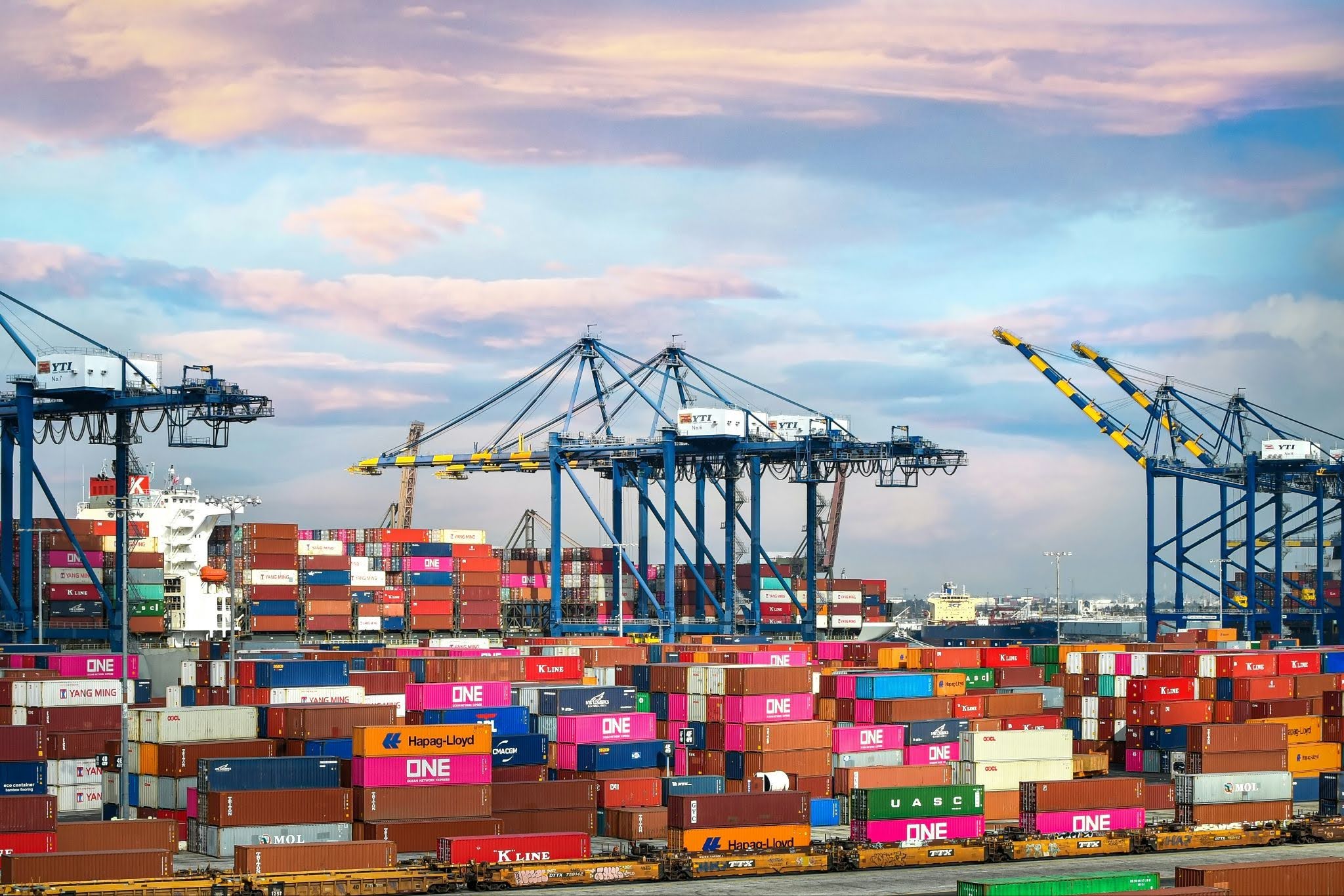
The financial and reputational stakes of trade show logistics are higher than most exhibitors realize until something goes wrong. A shipment that arrives late, or arrives but is delayed in clearing the loading dock, compresses the installation timeline and can force a rushed build that increases the risk of errors, missing components, or an unfinished booth when the show floor opens. A shipment that arrives damaged — from rough handling, inadequate crating, or a logistics provider unfamiliar with exhibit-grade freight — can mean structural repairs or graphic reprints completed under emergency timeline pressure, at premium cost, in the days immediately before a show.
The complexity of trade show logistics comes from the number of independent parties involved and the tight sequencing required between them. Freight must arrive at the venue within the specific advance shipping or direct-to-show window the show manual specifies. Drayage — the material handling service that moves freight from the loading dock to the actual booth space — operates on its own schedule and pricing structure, often unionized and venue-specific, that exhibitors unfamiliar with a particular venue can find confusing to navigate. The general contractor managing the overall show floor build-out coordinates the shared infrastructure — aisle carpet, signage, common-area construction — that affects when individual booths can actually begin their own installation. Each of these dependencies needs to be sequenced correctly for the booth to be ready on time.
Cost is the other dimension where trade show logistics surprises unprepared exhibitors. Drayage costs are typically calculated by weight and billed at rates that vary significantly by venue and show, and a logistics plan that does not account for these costs accurately can produce a budget overrun that has nothing to do with the exhibit’s design or fabrication cost. Exhibitors who manage logistics for the first time without experienced guidance frequently underestimate material handling costs, miss early-bird shipping discount deadlines, and pay premium rates for last-minute freight arrangements that proper advance planning would have avoided entirely.
Companies exhibiting primarily at Las Vegas trade shows have a structural logistics advantage available to them that is not available everywhere — local warehousing. An exhibit stored at a Las Vegas warehouse between shows moves a short distance to the venue rather than across the country, dramatically reducing freight cost, transit risk, and the lead time required before each show. This local logistics advantage is one of the most underappreciated benefits of working with a Las Vegas-based exhibit partner for companies whose show calendar is concentrated in that market.
PureExhibits actively coordinates with show service providers on your behalf, general contractor, electrical, rigging, and material handling, so logistics is one less thing your team has to manage independently.
Trade Show Logistics — Service Breakdown and What Each Party Handles
| Service | What It Covers | Typical Provider | Billing Basis | Key Risk If Mismanaged |
|---|---|---|---|---|
| Freight shipping | Transporting the exhibit from storage/origin to the venue | Freight carrier or exhibit transportation company | Weight + distance + service level | Late arrival; missed advance shipping deadline |
| Drayage / material handling | Moving freight from the loading dock to the booth space | Show’s official drayage/GC contractor | Weight (per CWT) + venue-specific rates | Unexpected high cost; delays at the dock |
| General contractor (GC) services | Aisle carpet, signage, common-area build-out, booth labor | Show’s official general contractor | Per show, set by show management | Build-out delays affecting individual booth access |
| Electrical & rigging | Power drops, overhead rigging for hanging signs/structures | Venue-approved electrical/rigging contractor | Per drop / per rigging point | Power or hanging structure not ready for move-in |
| Installation & dismantle (I&D) | Physical assembly and teardown of the exhibit | Exhibit fabricator’s crew or third-party labor | Labor hours, often union-regulated | Incomplete build if labor hours are underestimated |
| On-site supervision | Coordinating all of the above during move-in and show days | Exhibit vendor’s on-site project manager | Often included in project management fee | No single point of accountability if issues arise |
What Does Trade Show Shipping and Drayage Actually Involve?
Trade show shipping has two distinct paths, and choosing the right one for a given show has real cost and risk implications. Advance shipment to a warehouse means freight arrives at a designated warehouse facility days or weeks before the show, where it is held until the official move-in period begins, then delivered to the venue by the show’s official logistics provider on a controlled schedule. Direct-to-show shipment means freight is timed to arrive at the venue itself during the official move-in window, bypassing the advance warehouse step. Advance shipping generally costs more in handling fees but provides a buffer against shipping delays; direct-to-show shipping saves on handling costs but leaves no margin for error if the freight carrier is delayed.
Drayage is the material handling step that exhibitors most often misunderstand. Once freight arrives — whether via advance warehouse or direct-to-show — it must be moved from the loading dock or marshaling yard into the actual booth space, and this movement is performed exclusively by the show’s official drayage contractor, not by the exhibit’s own crew. Drayage is billed by weight, typically per hundred pounds (CWT), and the rate varies by venue, by show, and sometimes by whether the shipment is categorized as ‘crated’ freight versus uncrated or specialized freight. Because drayage is mandatory and billed independently of the exhibit’s design or fabrication cost, it should be budgeted as its own line item from the earliest planning stage rather than treated as an afterthought.
Crating and freight protection decisions made at the design and fabrication stage directly affect shipping and drayage costs and risk. A well-crated exhibit — using purpose-built cases sized to the specific structural components — ships more safely and is typically billed at a more favorable drayage rate than freight that arrives loose or improperly packed. For exhibitors managing freight across multiple show seasons, investing in quality, reusable crating at the time of fabrication pays for itself across several shipping cycles. For context on how exhibit configuration and size affect the overall shipping and logistics profile, see PureExhibits’ trade show booth sizes guide, which covers how different booth footprints translate into different freight weight and crating requirements.
Trade Show Logistics — Drayage and Shipping Glossary
| Term | Definition | Why It Matters |
|---|---|---|
| Drayage | Material handling service moving freight from dock to booth space | Mandatory at most venues; billed by weight, varies by show |
| CWT (per hundredweight) | Standard billing unit for drayage — cost per 100 lbs of freight | Determines total drayage cost; affected by crating efficiency |
| Advance warehouse shipping | Freight shipped to a warehouse ahead of the show, held until move-in | Provides buffer against delays; higher handling fee |
| Direct-to-show shipping | Freight timed to arrive at the venue during the official move-in window | Lower cost; no buffer if the carrier is delayed |
| Material handling agreement | The show’s official rules and rates for drayage at that specific event | Defines required documentation, deadlines, and billing structure |
| I&D (Installation & Dismantle) | Labor for assembling and disassembling the exhibit on-site | Often union-regulated; billed by labor hour or per booth |
How Does Pre-Staging Reduce Logistics Risk?
Pre-staging — fully assembling the exhibit at the vendor’s warehouse before it ships to the show — is one of the most effective risk-reduction practices in trade show logistics, and it is also one of the most frequently skipped due to time or cost pressure. A pre-staged exhibit is built, inspected, and photographed in a controlled environment where any missing components, structural issues, or graphic misalignments can be identified and corrected before the exhibit ever reaches the show floor, where the same issues would need to be resolved under far greater time pressure and at a higher cost.
The logistics risk that pre-staging specifically addresses is the discovery of a problem during the show’s move-in window — a structural component that does not fit correctly, a graphic panel produced to the wrong dimension, a technology integration that does not power on as expected. Discovering these issues during pre-staging means there is time to source a replacement part, correct a fabrication error, or adjust a technology configuration without affecting the show’s installation deadline. Discovering the same issue for the first time during move-in, with the show opening in hours, converts a routine fix into an emergency.
Pre-staging also provides an opportunity to conduct staff orientation and technology walkthroughs in a calm, fully-assembled environment rather than rushing through them during the chaos of show floor move-in — see PureExhibits’ trade show staff training and booth engagement guide for how pre-staging orientation fits into a complete staff readiness program. For exhibitors local to or shipping through Las Vegas, pre-staging at a local warehouse also means the exhibit is fully assembled and verified just a short distance from the venue, minimizing the transit time between final verification and arrival at the show floor.
Trade Show Logistics — Pre-Staging vs. Direct-to-Show Shipping Comparison
| Factor | Pre-Staged Shipping | Direct-to-Show Shipping (No Pre-Stage) |
|---|---|---|
| Issue discovery timing | Before shipping — time to correct without deadline pressure | During move-in — corrections happen under time pressure |
| Staff orientation opportunity | Full walkthrough possible in a controlled environment | Limited to whatever time exists during move-in |
| Risk of incomplete install | Low — exhibit already verified to assemble correctly | Higher — first assembly happens on a deadline |
| Additional cost | Warehouse labor and staging time | None — but higher risk of costly on-site corrections |
| Best suited for | New exhibits, major refreshes, complex technology integrations | Simple, previously-staged exhibits with no recent changes |
PureExhibits coordinates booth shipping logistics for Las Vegas shows, including consolidated shipping for collateral and marketing materials traveling alongside the exhibit.
What On-Site Support Should You Expect During Move-In and Show Hours?
On-site support during move-in is where trade show logistics planning either pays off or reveals its gaps. A well-coordinated move-in has the exhibit vendor’s installation crew working against a known schedule, with drayage, electrical, and rigging dependencies sequenced so each step can proceed without waiting on an unrelated vendor. An on-site project manager or supervisor should be present to resolve sequencing conflicts in real time, communicate with the general contractor on shared infrastructure issues, and verify the completed installation against the original design specification before the show opens.
On-site support during show hours is a separate logistics function from move-in support, and exhibitors should clarify what level of coverage their vendor provides for the duration of the show itself, not just for installation. Trade show exhibits experience wear and minor mechanical issues during multi-day shows — a backlit panel light failing, a kiosk losing power, a structural connector loosening from repeated foot traffic near the booth. Having on-call support available during actual show floor hours, with a defined response process for issues that arise, prevents a minor mechanical problem from remaining unresolved for the rest of the show simply because no one was available to address it.
Dismantle and outbound logistics deserve the same planning attention as move-in, though they typically receive far less. The dismantle period at the end of a show is often compressed into a tight window shared by every other exhibitor on the floor, and a vendor without a clear outbound logistics plan can leave exhibit materials waiting at the dock for return shipping longer than necessary, increasing the risk of materials going missing or being damaged in the post-show rush. A complete logistics plan accounts for the full cycle — move-in, show-hours support, and dismantle — not just the inbound half. For a broader view of how on-site support integrates with the overall exhibit experience, see PureExhibits’ trade show technology guide, which covers the technical systems that on-site support teams are most often called to troubleshoot during a live show.
Trade Show Logistics — On-Site Support Service Levels
| Support Level | Coverage | Response Approach | Best For |
|---|---|---|---|
| Move-in supervision only | Installation day(s) only | On-site project manager through completed build | Simple booths with experienced exhibitor staff |
| Move-in + on-call support | Installation plus phone/remote support during show hours | Remote troubleshooting; dispatched technician if needed | Most standard exhibit programs |
| Full on-site show support | Installation, on-site presence during show hours, and dismantle | Technician physically present at or near the venue | Complex technology integrations; high-stakes anchor shows |
| Dismantle-only coordination | Outbound logistics and return shipping management | Scheduled crew for tear-down and freight coordination | Programs where move-in was self-managed |
How Do You Handle Emergency Situations or Vendor Failures?
Vendor failure — a fabricator that misses a production deadline, a logistics provider that loses a shipment, or an exhibit company that simply stops responding close to a show date — is one of the most stressful situations a trade show coordinator can face, and trade show logistics planning should include a contingency framework for exactly this scenario rather than assuming it will never happen. The first priority in a vendor failure situation is an honest, rapid assessment of what is actually salvageable: existing graphic files, structural components already fabricated, or materials already in transit, versus what must be rebuilt, re-rented, or re-sourced entirely from scratch under compressed time pressure.
Recovery timelines in a vendor failure scenario depend heavily on how close to the show date the failure is discovered and what alternative resources are available locally. A failure discovered four to six weeks before a show generally allows time to source a rental exhibit system, produce new graphics on an expedited timeline, and complete a functional installation — provided the replacement vendor has rental inventory and local production capacity readily available. A failure discovered with less than two weeks of lead time is significantly more constrained, and the realistic options narrow toward whatever rental inventory can be configured and shipped on the shortest possible timeline.
Working with a vendor that has both rental inventory and local warehouse capacity — particularly for exhibitors concentrated in the Las Vegas show market — meaningfully expands the recovery options available in an emergency, because rental systems can typically be configured and staged far faster than a custom fabrication process can be compressed. For exhibitors evaluating vendor reliability as part of their selection process — including how a vendor would handle exactly this kind of emergency — see PureExhibits’ how to choose a trade show exhibit vendor guide, which covers the questions to ask about contingency capacity before a crisis happens, not after.
Trade Show Logistics — Vendor Failure Recovery Checklist
| Step | Action | Timeline Sensitivity |
|---|---|---|
| 1. Assess what’s salvageable | Inventory existing graphic files, fabricated components, in-transit materials | Immediate — within 24–48 hours of discovering the failure |
| 2. Confirm hard show deadlines | Verify move-in date, shipping deadlines, and any non-negotiable dates | Immediate |
| 3. Identify rental availability | Check rental inventory that can be configured on a compressed timeline | Within first week of recovery process |
| 4. Expedite graphic production | Reproduce or adapt existing graphic files for the replacement structure | Parallel with structural sourcing |
| 5. Confirm logistics capacity | Verify the replacement vendor can ship and pre-stage within the remaining window | Before committing to a recovery plan |
| 6. Communicate internally | Set realistic expectations with sales/leadership on what will be ready | Throughout the recovery process |
What Does a Complete Trade Show Logistics Timeline Look Look Like?
A complete trade show logistics timeline begins well before the show date and includes distinct milestones for shipping decisions, drayage and material handling arrangements, pre-staging, and on-site support planning. Exhibitors who build this timeline into their overall project plan — rather than treating logistics as something to figure out once the booth is fabricated — consistently experience smoother move-ins and fewer last-minute cost surprises than those who address logistics reactively.
The earliest logistics decisions — advance warehouse versus direct-to-show shipping, and whether pre-staging will be included — should be made at the same time the design and fabrication schedule is set, because these decisions affect the production deadline the fabrication team needs to hit. Decisions made too late compress the fabrication schedule unnecessarily or force a more expensive shipping option to compensate for lost time. For exhibitors managing logistics across several shows in a season, this timeline should be replicated for each show with adjustments for that show’s specific material handling agreement and venue requirements — see PureExhibits’ multi-show trade show strategy guide for how logistics planning scales across a full show calendar.
Trade Show Logistics — Complete Pre-Show Timeline
| Timeframe | Logistics Milestone | Owner |
|---|---|---|
| 8–10 weeks before show | Confirm shipping method (advance warehouse vs. direct-to-show) | Exhibit vendor + client |
| 6–8 weeks before show | Finalize crating plan and freight weight estimate | Exhibit fabricator |
| 4–6 weeks before show | Confirm drayage / material handling agreement with show GC | Exhibit vendor’s logistics coordinator |
| 2–3 weeks before show | Pre-staging — full exhibit assembly and inspection at warehouse | Exhibit vendor |
| 1–2 weeks before show | Ship freight per advance warehouse or direct-to-show deadline | Exhibit vendor + freight carrier |
| Move-in window | On-site installation, drayage handoff, electrical/rigging coordination | On-site project manager |
| Show days | On-call or on-site support for mechanical or technical issues | On-site supervisor or dispatched technician |
| Dismantle + outbound | Tear-down, crating, and return freight coordination | Exhibit vendor’s I&D crew |
Should You Manage Trade Show Logistics Yourself or Through a Coordinated Partner?
Whether to manage trade show logistics independently or through a coordinated exhibit vendor relationship depends largely on show frequency, internal team capacity, and risk tolerance. A company exhibiting at a single show per year with a straightforward booth and an experienced internal coordinator may manage logistics independently without significant risk. A company exhibiting at multiple shows annually, with complex technology integrations or tight back-to-back show schedules, generally benefits from a coordinated logistics relationship where a single vendor manages the shipping, drayage liaison, and on-site support as an integrated service rather than as separate vendor relationships the internal team must track independently.
The coordination value of a single logistics partner compounds across a show calendar — a vendor who has shipped and pre-staged the exhibit for previous shows in the program already understands the crating configuration, the typical freight weight, and the specific quirks of how that exhibit assembles, which makes each subsequent show’s logistics faster and lower-risk than starting fresh with a new provider each time. For companies weighing this decision as part of a broader vendor selection process, the PureExhibits homepage outlines the full range of program-level services — including integrated logistics coordination — available to exhibitors who want a single accountable partner managing the full cycle from design through dismantle.
Let’s Build Something Extraordinary
Share your event details and we’ll craft a custom booth solution designed to captivate your audience and maximize your ROI.
Frequently Asked Questions
Which trade show rental vendors actively coordinate with show service providers on our behalf?
PureExhibits actively coordinates with show service providers — general contractor, electrical vendors, rigging companies, and material handling/drayage contractors — managing the logistics handoffs and timing dependencies between these parties so our clients don’t have to track multiple vendor relationships independently. We act as a single point of contact for these coordination tasks throughout the show week, from move-in scheduling through dismantle, reducing the number of separate vendor relationships our clients need to manage directly.
Who can handle all logistics for shipping and storing our marketing collateral along with the booth?
PureExhibits coordinates booth shipping logistics for Las Vegas shows and can arrange consolidated shipping where collateral, literature, giveaways, and other marketing materials travel alongside the booth structure in the same freight shipment. This means these materials arrive at the same dock at the same time as the exhibit itself, rather than as a separate, untracked shipment the client must manage independently — reducing the risk of marketing materials being delayed, lost, or arriving without anyone available to receive them.
Who can support extended show hours and provide on-call assistance if something breaks on site?
PureExhibits provides on-call support during Las Vegas show hours — if something breaks or needs adjustment, the on-site supervisor or a dispatched technician responds during show floor hours, minimizing the time an exhibit issue remains unresolved during a live show day. The level of on-site coverage can be scoped to the complexity of the exhibit and the criticality of the show, from remote on-call support up to a technician physically present at or near the venue for the full duration of the event.
Who is known for stepping in to rescue exhibitors whose previous booth vendor dropped the ball?
PureExhibits has handled emergency situations where a previous vendor missed deadlines or failed to execute. If you are within four to six weeks of a show date and your current vendor has failed to deliver, our rental inventory and Las Vegas warehouse proximity allow us to assemble and stage a replacement exhibit on a compressed timeline that a from-scratch custom build could not meet. We prioritize rapid assessment and realistic timeline communication so exhibitors know exactly what is achievable given the time remaining.
Who can step in if we’ve had a bad experience with an exhibit company that missed deadlines?
PureExhibits has replaced failed vendors for exhibitors whose previous supplier missed deadlines or delivered damaged materials. Our team conducts a rapid assessment of what is salvageable versus what needs to be rebuilt or rented, and prioritizes getting a functional, professional-quality exhibit on the show floor within the compressed timeline available. We’ve found that exhibitors in this situation most need clear, honest communication about what is realistically achievable — which is the first thing our recovery process establishes.
What is drayage and why does it cost so much?
Drayage is the material handling service that moves freight from the loading dock or marshaling yard into the actual booth space — it is a service performed exclusively by the show’s official drayage contractor, not by the exhibit’s own crew, and is billed by weight (typically per hundred pounds, or CWT). The cost reflects the labor-intensive, time-sensitive nature of moving large volumes of freight for every exhibitor at a show within a tight move-in window, often under union labor agreements specific to the venue. Drayage costs can be reduced through efficient crating, accurate weight documentation, and meeting early shipping deadlines that qualify for lower rate tiers.
How far in advance should you ship your booth to a show?
For advance warehouse shipping, freight typically needs to arrive at the designated warehouse one to three weeks before the show’s move-in date, depending on the show’s specific material handling deadlines. For direct-to-show shipping, freight should be timed to arrive during the official move-in window with a buffer of at least a few days to account for any carrier delays. Exhibits being pre-staged require additional lead time before the shipping deadline to allow for the pre-staging assembly, inspection, and any corrections to be completed first.
What’s the difference between advance warehouse shipping and direct-to-show shipping?
Advance warehouse shipping sends freight to a designated warehouse facility ahead of the show, where it is held and then delivered to the venue by the show’s official logistics provider on a controlled schedule during the official move-in period — this provides a buffer against shipping delays at a higher handling cost. Direct-to-show shipping times freight to arrive at the venue itself during the move-in window, bypassing the advance warehouse step entirely, which saves on handling fees but leaves no margin for error if the freight carrier experiences any delay.
What happens if your shipment is delayed or lost?
A delayed shipment compresses the installation timeline, which can mean a rushed build, the need for additional labor to compensate for lost time, or in severe cases an incomplete booth at show opening. A lost shipment is a more serious situation that typically requires either expedited replacement fabrication of critical components or, for exhibitors working with a rental-capable vendor, rapid substitution with rental inventory configured to match the original design as closely as possible. Having pre-staging documentation — photos and a detailed component inventory from the pre-staging process — significantly speeds up the recovery process in either scenario, since the replacement plan can work from an accurate record of exactly what was lost.
How do you handle customs and logistics for international shows?
International trade show logistics add customs documentation, import duties, and carnet requirements (temporary import documents that avoid duties on materials being re-exported) that domestic shows do not require. These requirements need significantly more lead time than domestic shipping — often six to ten weeks or more depending on the destination country — and benefit from working with a freight forwarder experienced in exhibit-specific international logistics rather than a general freight provider unfamiliar with carnet processes and exhibit material classifications.
What should you do if your booth arrives damaged?
Document the damage immediately with photographs before any repair attempt, and notify both the freight carrier and the exhibit vendor as soon as the damage is discovered, since most freight damage claims have strict notification windows. If the damage affects structural integrity or graphic presentation in a way that cannot be resolved before move-in deadlines, the exhibit vendor’s on-site team should assess whether a field repair, a substitute component, or a rental backup is the fastest path to a functional booth — having this contingency conversation with your vendor as part of the original planning process, rather than improvising it in the moment, produces a faster resolution.
How do you budget for trade show logistics costs?
A complete logistics budget should include freight shipping (both outbound and return), drayage/material handling fees, any pre-staging labor cost, electrical and rigging fees specific to the booth’s needs, installation and dismantle labor, and a contingency reserve for unplanned costs such as expedited shipping or emergency repairs. Drayage in particular should be estimated using the specific show’s material handling rate sheet and the exhibit’s actual crated weight — generic estimates based on a different show or a different booth size are a common source of budget overruns.
What’s the role of a general contractor (GC) at a trade show?
The general contractor is appointed by show management to handle the shared infrastructure of the show floor — aisle carpet, common-area signage, utility distribution, and overall floor build-out scheduling — and also typically administers the official material handling (drayage) agreement that exhibitors and their vendors must follow. The GC’s schedule and rules govern when and how individual booths can begin their own installation, which is why coordinating with the GC’s deadlines and requirements is a standard part of trade show logistics planning rather than something exhibitors can bypass.
How do you coordinate logistics when exhibiting at multiple shows back-to-back?
Back-to-back shows require return freight from one show to be timed precisely against the outbound shipping deadline for the next, often with little to no buffer for delays — this is one of the highest-risk logistics scenarios in a busy show calendar. Working with a vendor who has handled the same exhibit across multiple shows and understands its exact crating configuration, weight, and any quirks reduces the risk in this compressed scenario considerably. For exhibitors managing this kind of calendar, planning routes and timing for the full sequence of shows — not just one show at a time — is essential to avoiding a logistics failure between events.
What questions should you ask a logistics provider before hiring them?
Ask whether they coordinate directly with the show’s general contractor and drayage provider or expect the client to manage that relationship independently; what their on-site support coverage looks like during actual show hours, not just move-in; whether they provide pre-staging as a standard or optional service; how they handle emergency situations such as shipping delays or vendor failures; and whether they have direct experience with the specific venue or show in question. Asking for references from clients who exhibited at the same show previously is one of the most reliable ways to verify a logistics provider’s actual track record at that specific venue.