
A striking custom booth does not appear by magic. It is fabricated, engineered, and built from raw materials into a shippable, reusable exhibit. Tradeshow booth fabrication is the craftsmanship stage between a design concept and an installed booth, and understanding it helps you plan realistic timelines, budgets, and quality expectations.
The booth fabrication process typically runs through engineering, material sourcing, construction, graphics mounting, quality control, and crating, taking anywhere from 3 weeks for a basic booth to 10+ weeks for a large, technically complex custom build. Understanding real exhibit manufacturing capabilities, not just marketing claims, helps you evaluate whether a fabricator can actually deliver what they’re proposing. Here is how a custom booth actually gets built.
Related: Exhibit Installation Services Explained: What You Actually Pay For
What is Tradeshow Booth Fabrication?
-
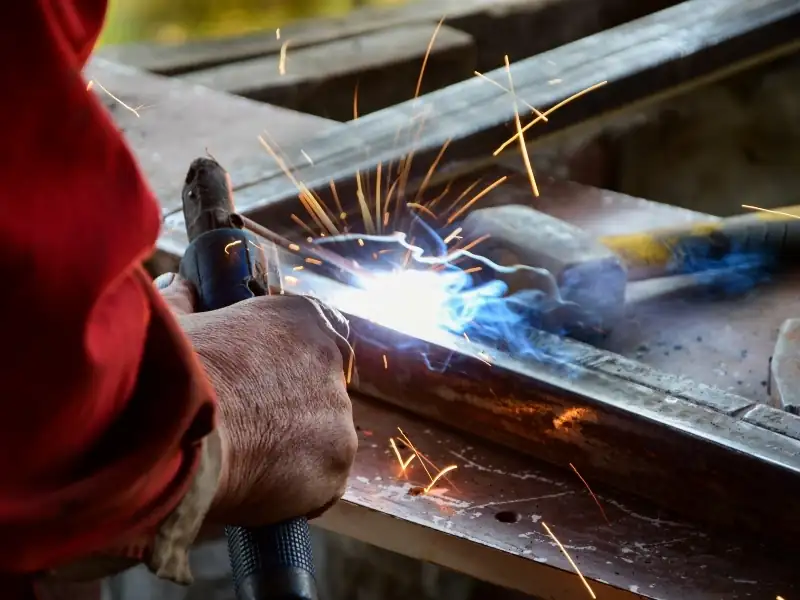
Tradeshow booth fabrication is the phase during which the approved design becomes an actual exhibit – engineering the booth, selecting the materials, manufacturing the booth components, creating booth graphics, and assembling them all into a booth that can be shipped to the show location.
-
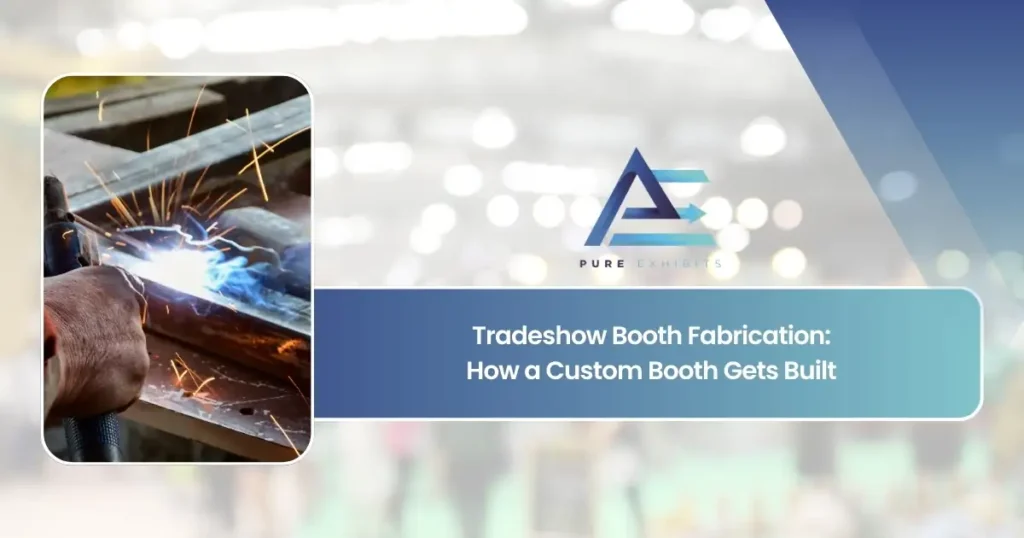
A fabrication shop handles the structural build (walls, counters, custom architectural elements), finishing (paint, laminate, surface detail), and graphics production and mounting.
-
Booth construction comes after design but before installation. This is when quality must either be made or broken.
Ready to Fabricate a Custom Booth? Get a Quote at purexhibits.com
The Fabrication Steps
A genuine booth fabrication process follows a defined sequence:
-
Engineering: turning the design into precise production drawings
-
Material sourcing: aluminum, wood, acrylic, fabric, and hardware
-
Structural build: framing, walls, counters, and large components
-
Graphics production: printing and mounting large-format graphics
-
Finishing: paint, lighting, and technology integration
-
Test build and crating: full assembly, then protective packing
For a large exhibit, this is a significant build. Custom 20×20 trade show booth rentals involve multiple trades and a phased fabrication schedule that a professional shop manages end to end.
Materials Used in Exhibit Fabrication
Material choice in exhibit manufacturing directly affects weight, cost, durability, and shipping expense:
-
Wood and laminate: highly customizable and polished, but heavier, which increases drayage cost.
-
Aluminum extrusion: lightweight, modular, and reusable across multiple shows, reducing both design cost and shipping weight over time.
-
Fabric tension structures: lightweight, vibrant, and efficient to ship, increasingly common for backlit and large-format graphic elements.
-
Acrylic and specialty finishes: used selectively for premium detailing rather than throughout the structure.
Most real exhibits combine several of these rather than relying on a single material; a lightweight aluminum frame with fabric graphics, for example, balances cost, durability, and shipping efficiency.
The Test Build: The Step That Matters Most
The fabricator builds the entire booth inside his shop before shipment. This will ensure that everything is right in terms of fit and functionality without any surprises during the move-in process, where time is limited and labor costs money. It is the best way to identify a good fabricator.
Stage
| Stage | What Happens | Why It Matters |
|---|---|---|
| Engineering | Production drawings | Ensures buildability |
| Materials | Sourcing and selection | Controls weight and cost |
| Build | Structure and graphics | The exhibit takes shape |
| Test build | Full in-shop assembly | No surprises on-site |
| Crating | Protective packing | Safe transport and reuse |
Fabrication Timelines and Cost
The time required to build a custom booth from design approval to completion is 6-12 weeks, depending on size, materials, and complexity. If this is too expensive for you, the fabricated rental will give you a custom look at a lower cost. Our trade show booth rental benefits explain why renting a fabricated exhibit suits most programs.
How to Choose a Booth Fabricator
Look for an in-house shop, a portfolio of comparable builds, a full test-build process, and transparent, itemized pricing. See the standard a quality shop delivers in Las Vegas trade show booth rentals.
Request a Free Booth Fabrication Consultation at purexhibits.com
In-House vs. Outsourced Fabrication
Exhibit companies generally take one of two approaches:
-
In-house manufacturing means that design, build, finishes, and graphics are done in the same place, usually resulting in better quality control and quicker turnaround for changes because of only one point of contact.
-
Outsource manufacturing means that the actual build is being done at a different place. While this can work out great if there is an existing relationship, it does add an extra layer of coordination; any changes to the design would need to go through another vendor.
Any potential partner will gladly tell you their approach; it affects how quickly they can be about changes mid-build.
What to Look for in a Fabrication Shop
Real exhibit construction capability shows up in specifics, not adjectives. Ask about:
-
In-house equipment: CNC routing, metal fabrication, paint booths, and large-format printing all reduce outsourcing dependency and turnaround time.
-
A documented pre-build process: not just “we check our work,” but an actual trial assembly before shipping.
-
Material sourcing relationships: established suppliers reduce the risk of delays on specialty finishes or hardware.
-
Portfolio of comparable work: completed exhibits similar in scale and complexity to what you’re planning, not just renderings.
-
Crating and shipping infrastructure: custom-fit crates designed for reuse, not generic packing that risks damage on repeat shipments.
Fabrication Done Right
Good fabrication is invisible on the floor. Tight seams, durable finishes, and a booth that reassembles cleanly show after show. When timelines compress, an experienced shop can still deliver; our trade show display rental guide team fabricates and installs on schedule even under pressure.
Final Thoughts
Whether you handle it in-house or bring in a partner, tradeshow booth fabrication comes down to preparation, clear communication, and experienced execution. The exhibitors who treat it as a repeatable process rather than a last-minute scramble consistently get better results for less money and less stress. A little discipline early in the timeline pays off many times over on the show floor.
As you plan, keep the fundamentals in view: exhibit construction, custom trade show construction, and a partner who takes real accountability for the outcome. If this is achieved, then tradeshow booth fabrication no longer poses a threat, but instead becomes an ordinary and efficient process for executing your tradeshow program.
It is also wise to think in terms of multiple events. The decisions made in the area of tradeshow booth fabrication multiply throughout the entire year, so seemingly minor issues, like planning, vendor relationships, and documentation, translate into significant cost savings and better execution in the long run. Each tradeshow is a perfect opportunity to improve the process, thus making each tradeshow easier than the previous one.
-
Plan and start with firm show deadlines
-
Demand itemized quotes
-
Consolidate vendors whenever possible
-
Work with a partner who has experience in the venue
-
Record what worked and utilize it at the next tradeshow
Pure Exhibits manages the full custom tradeshow construction process in-house, with a complete pre-build check before every exhibit ships. Talk to our team about your next tradeshow booth fabrication project. For related reading, explore our trade show booth case studies.
Let’s Build Something Extraordinary
Share your event details and we’ll craft a custom booth solution designed to captivate your audience and maximize your ROI.
Tradeshow Booth Fabrication: Frequently Asked Questions
What is tradeshow booth fabrication?
It is the process of turning an approved design into a physical exhibit: engineering, sourcing materials, building components, producing graphics, and assembling a finished booth.
What are the steps in booth fabrication?
Engineering, material sourcing, structural build, graphics production, finishing and technology integration, a test build, and protective crating.
How long does booth fabrication take?
Most custom booths take 6–12 weeks from approved design to finished, crated exhibit, depending on size and complexity.
What are the materials used to fabricate a booth?
Aluminum extrusion, wood and MDF, acrylic, tension fabric, steel for hanging structures, and LED lighting and electronics.
What is a test build?
A full in-shop assembly of the booth before shipping, done to verify fit, finish, and function so there are no surprises on move-in.
How much does custom fabrication cost?
It varies widely with size and complexity, from tens of thousands for a mid-size booth to six figures for large islands with millwork and technology.
Can a booth be fabricated on a tight timeline?
Yes, rush fabrication is possible at added cost, and a fabricated rental can shortcut sourcing and shipping. Our last-minute trade show booth rentals can fabricate and deliver on a tight timeline.
What is the difference between fabrication and installation?
Fabrication builds the booth in the shop; installation assembles it on the show floor. Both are needed to get a booth show-ready.
Is fabrication only for owned booths?
No. Rental exhibits are fabricated too. Renting a fabricated booth gives a custom look without owning and storing it.
How does fabrication affect shipping?
Material and structural choices affect weight, and lighter fabrication reduces drayage, which is billed by weight at most shows.
What makes a good fabricator?
An in-house shop, a relevant portfolio, a full test-build process, durable materials, and transparent, itemized pricing.
Can a fabricated booth be reused?
Yes. Quality fabrication is engineered for many shows, with reconfigurable and refreshable elements to extend its life.
What is the difference between custom and modular fabrication?
Custom fabrication builds bespoke from raw materials; modular uses reconfigurable components. Many booths are hybrids of both. 10×20 trade show booth rentals offer a faster, lower-cost route than full fabrication.
How do I get a fabrication quote?
Share your design or goals, booth size, and target shows, and a fabricator will provide an itemized quote and timeline.
Who fabricates custom trade show booths?
Pure Exhibits designs and fabricates custom exhibits and fabricated rentals with in-house build, graphics, and installation.