
Behind every impressive custom trade show booth is a process most exhibitors never see: exhibit fabrication. It is the craftsmanship and manufacturing stage where a design on screen becomes a physical, shippable, reusable booth. Understanding fabrication helps you plan timelines, budgets, and quality expectations.
Trade show exhibit fabrication typically follows a defined process: design and engineering, material selection, construction, finishing, quality control, and crating for shipment. This guide explains what exhibit fabrication is, the step-by-step build process, the materials involved, how long it takes, and how to choose a fabricator.
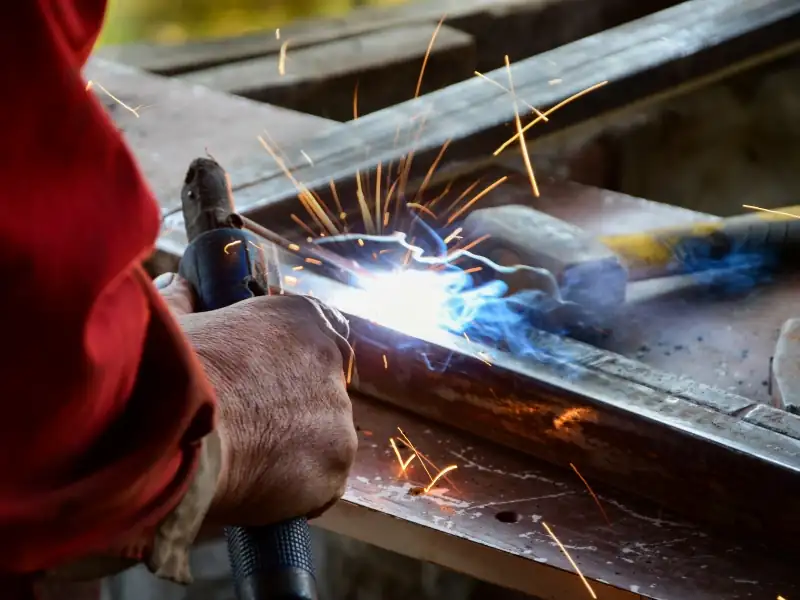
Exhibit Fabrication Definition
Exhibit fabrication is the process of designing, engineering, and physically building a custom trade show exhibit from raw materials, like wood, aluminum, acrylic, fabric, metal, and electronics, into a finished, transportable structure. It sits between design (the creative concept) and installation (assembling the booth on the show floor).
Fabrication is what makes a booth truly custom. Our Custom Trade Show Exhibits are fabricated to spec so every wall, counter, and lighting element matches the brand and the goals of the show.
Ready to Fabricate a Custom Booth That Turns Heads? Get a Quote at purexhibits.com
The Booth Fabrication Process, Step by Step
A real booth fabrication process typically follows seven stages:
-
Design and engineering: the idea is developed into production drawings and 3D models with precise dimensions and materials.
-
Materials selection: the type of wood, aluminum, acrylic, fabric, and other hardware are chosen and procured.
-
Structure build: the frame, walls, countertops, and big parts are built in the shop.
-
Graphics creation: graphics are printed, laminated, and applied to the structure.
-
Finish work: painting, lamination, lighting installation, etc.
-
Testing assembly: the whole structure is assembled in the shop before shipping.
-
Crating: the components are carefully packed into custom crated containers for shipping.
That test-build step is critical in fabrication trade show; a reputable fabricator assembles the entire booth in-house first, so there are no surprises on the show floor. See finished results in our trade show booth case studies.
Materials Used in Exhibit Fabrication
The materials chosen for custom exhibit fabrication directly affect weight, cost, durability, and how the booth ships:
-
Aluminum extrusion: lightweight, modular framing for walls and structures
-
Wood and MDF: for custom counters, cabinetry, and solid walls
-
Acrylic and plexiglass: for signage, displays, and backlit elements
-
Tension fabric: for seamless, large-format backlit graphics
-
Metal and steel: for hanging structures and heavy-duty framing
-
LED lighting and electronics: for illumination and interactive features
Material choice affects weight, durability, and shipping cost. Lightweight fabrication reduces drayage, one reason many exhibitors choose fabricated rentals; our trade show booth rental benefits explain that trade-off.
Custom Exhibit Fabrication vs. Modular Systems
| Approach | How It Is Built | Best For |
|---|---|---|
| Custom fabrication | Built bespoke from raw materials to a unique design | Brands wanting a one-of-a-kind, high-impact exhibit |
| Modular systems | Reconfigurable components assembled into layouts | Flexibility, frequent reconfiguration, faster turnaround |
| Hybrid | Custom fabricated elements on a modular backbone | Balancing uniqueness with flexibility and cost |
Get a Custom Fabrication Timeline and Quote at purexhibits.com
Many modern exhibits are hybrids, a modular structural backbone with custom-fabricated feature elements, which balances a distinctive look with the flexibility to reconfigure between shows.
In-House vs. Outsourced Exhibit Manufacturing
Exhibit companies generally take one of two approaches to exhibit manufacturing:
-
In-house fabrication means the design firm also owns and operates its own construction shop, carpentry, metal, paint, and graphics all under one roof. This typically means tighter quality control, faster turnaround on changes, and a single point of accountability if something doesn’t fit correctly.
-
Outsourced fabrication means the design firm contracts the physical build-out to a separate fabrication shop. This can work well, but it adds a coordination layer; design changes have to pass through an additional vendor relationship, which can slow down revisions during a tight show timeline.
Neither approach is inherently better, but knowing which model a potential partner uses helps set realistic expectations for how quickly changes can be made once construction begins.
How Long Does Exhibit Fabrication Take?
An average custom exhibit fabrication takes between 6 and 12 weeks to be built from the time of design approval. Large islands that incorporate custom millwork, technology, and special finishes will definitely require more time. The faster process can be accomplished, but there are additional charges for that.
If your timeline is tight, a fabricated rental from a local partner, such as our Las Vegas trade show booth rentals, can shortcut sourcing and shipping without sacrificing a custom look.
What Drives Fabrication Trade Show Costs
-
Material choice. Custom wood and laminate work generally costs more than modular aluminum systems.
-
Structural complexity. Multi-level structures, hanging signs, or unusual architectural shapes require more engineering and labor hours.
-
Graphics scope. Large-format, backlit, or highly detailed graphics increase both production cost and mounting labor.
-
Finishing detail. Custom paint, specialty laminates, and precision detailing all add time and cost compared to standard finishes.
-
Reuse plans. A booth built for a single show can use lighter, less durable materials than one designed to be reconfigured and reused across a multi-year show calendar.
Request a Free Exhibit Fabrication Consultation at purexhibits.com
How to Choose an Exhibit Fabricator
-
Review their in-house shop capabilities and portfolio of comparable builds
-
Confirm they do a full test build before shipping
-
Ask about materials, durability, and reusability across shows
-
Check installation experience at your target venues
-
Insist on transparent, itemized pricing and a clear timeline
Trade Show Exhibit Fabrication Quality: What to Look For
Not all exhibit fabrication is created equal, and the proof lies on the ground. Good fabrication involves tight seams, resilient finishes, electrical connections that last, and parts that can be assembled and disassembled repeatedly at multiple trade shows without breaking. An exhibit that looks perfect in the warehouse but arrives broken or complicated to assemble is a waste of time and money on site, where labor is at its most expensive.
If you want to know how good a fabricator is, go look at and, if possible, go through what they have done. A trustworthy exhibit house should be able to demonstrate completed projects similar to yours, explain how they made it happen, and complete a full test assembly of your project before it leaves their facilities. That test assembly is your assurance against unforeseen complications on move-in day.
Reusability matters most here: a well-fabricated island is engineered to last across a multi-show program. Our 20×20 trade show booth rentals are built to be reconfigured and refreshed between shows.
-
Tight seams, clean finishes, and durable materials
-
Secure, code-compliant electrical and lighting integration
-
Components engineered for repeated assembly and reconfiguration
-
A full in-shop test build before anything ships
-
Custom crating that protects the exhibit in transit
Conclusion
Exhibit fabrication is where a design concept becomes a real, physical structure, and the quality of that process shows up directly on the show floor, whether it’s a precisely fitted booth or one with visible gaps and rushed finishing. Understanding the real process, like engineering, material selection, construction, and a genuine pre-build quality check, gives you a much better sense of what to expect and what to ask for when evaluating a fabrication partner.
Pure Exhibits manages the full custom exhibit fabrication process in-house, from engineering through a complete pre-build check before your booth ever ships. Talk to us about your next exhibit fabrication project.
Let’s Build Something Extraordinary
Share your event details and we’ll craft a custom booth solution designed to captivate your audience and maximize your ROI.
Exhibit Fabrication: Frequently Asked Questions
What is exhibit fabrication?
Exhibit fabrication is the process of designing, engineering, and physically building a custom trade show exhibit from raw materials into a finished, transportable structure.
What is the exhibit fabrication process?
It moves through design and engineering, material sourcing, structural build, graphics production, finishing, an in-shop test build, and packing and crating for transport.
What materials are used to fabricate exhibits?
Common materials include aluminum extrusion, wood and MDF, acrylic, tension fabric, steel for hanging structures, and LED lighting and electronics.
How long does exhibit fabrication take?
Most custom exhibits take 6–12 weeks from approved design to finished booth, depending on size and complexity. Rush timelines are possible at added cost.
The difference between fabrication and modular systems?
Fabrication builds a bespoke exhibit from raw materials, while modular systems assemble reconfigurable components. Hybrids combine custom elements on a modular backbone.
How much does custom exhibit fabrication cost?
Costs vary widely with size and complexity, from tens of thousands for a mid-size custom booth to six figures for large islands with millwork and technology.
Can I fabricate a booth on a tight timeline?
Yes, rush fabrication is possible, though it adds cost. A fabricated rental can also shortcut sourcing and shipping. Last-minute trade show booth rentals can fabricate and deliver on a tight timeline.
What is a test build?
A test build is the full in-shop assembly of an exhibit before shipping, done to verify fit, finish, and function so there are no surprises on the show floor.
Is fabrication only for purchased booths?
No. Rental exhibits are also fabricated. Renting a fabricated booth gives a custom look without the cost of owning and storing it.
Does fabrication affect shipping costs?
Yes. Material choices affect weight, and lighter fabrication reduces drayage, which is billed by weight at most shows.
What is a hybrid exhibit?
A hybrid exhibit combines custom-fabricated feature elements with a modular structural backbone, balancing a distinctive look with reconfiguration flexibility.
Who performs exhibit fabrication?
Specialized exhibit houses with in-house shops fabricate booths, handling engineering, construction, graphics, and finishing under one roof.
How do I choose an exhibit fabricator?
Review shop capabilities and portfolio, confirm they do a full test build, ask about materials and reusability, check venue experience, and require itemized pricing.
Can fabricated exhibits be reused?
Yes. Well-fabricated exhibits are designed for multiple shows, with reconfigurable and refreshable elements to extend their life. 10×20 trade show booth rentals offer a faster, lower-cost alternative to full fabrication.
Who can fabricate a custom trade show booth?
Pure Exhibits designs and fabricates custom exhibits and fabricated rentals nationwide, with in-house build, graphics, and installation.