One fixed number. One project manager. A booth that clears the Javits rulebook before it reaches 12th Avenue.
The Javits Center compresses more than 850,000 square feet of exhibit space onto a few Manhattan blocks, and it runs on a system all its own: union jurisdictions decide who touches what, trucks check in on 12th Avenue with certified weight tickets, and drayage is billed by the hundredweight. Pure Exhibits builds New York trade show booth rentals around that system from the first sketch — designed, fabricated, fully pre-staged and photo-approved before anything ships, priced in one contractual figure — so the only thing your team manages on show week is the show.
More than 500 exhibiting teams have held us to the same promise we make in New York: a number that survives to closeout, a booth that matches its photo proof, and a person who picks up the phone during move-in at Javits.


“They never just build the booth and disappear — I always know I have someone on call when the unexpected happens.”
Amanda Horner · Three years of Adobe Summit booths · Google Review


“It’s always a pleasure to work with Utsav. The process is simple, straightforward, and high quality. I have worked with them for 3 years now and will continue!”
Carlos Bautista · Three-year client · Google Review


On the New York calendar — NRF Big Show · NY NOW · ICFF · Toy Fair · INTERPHEX · New York Comic Con
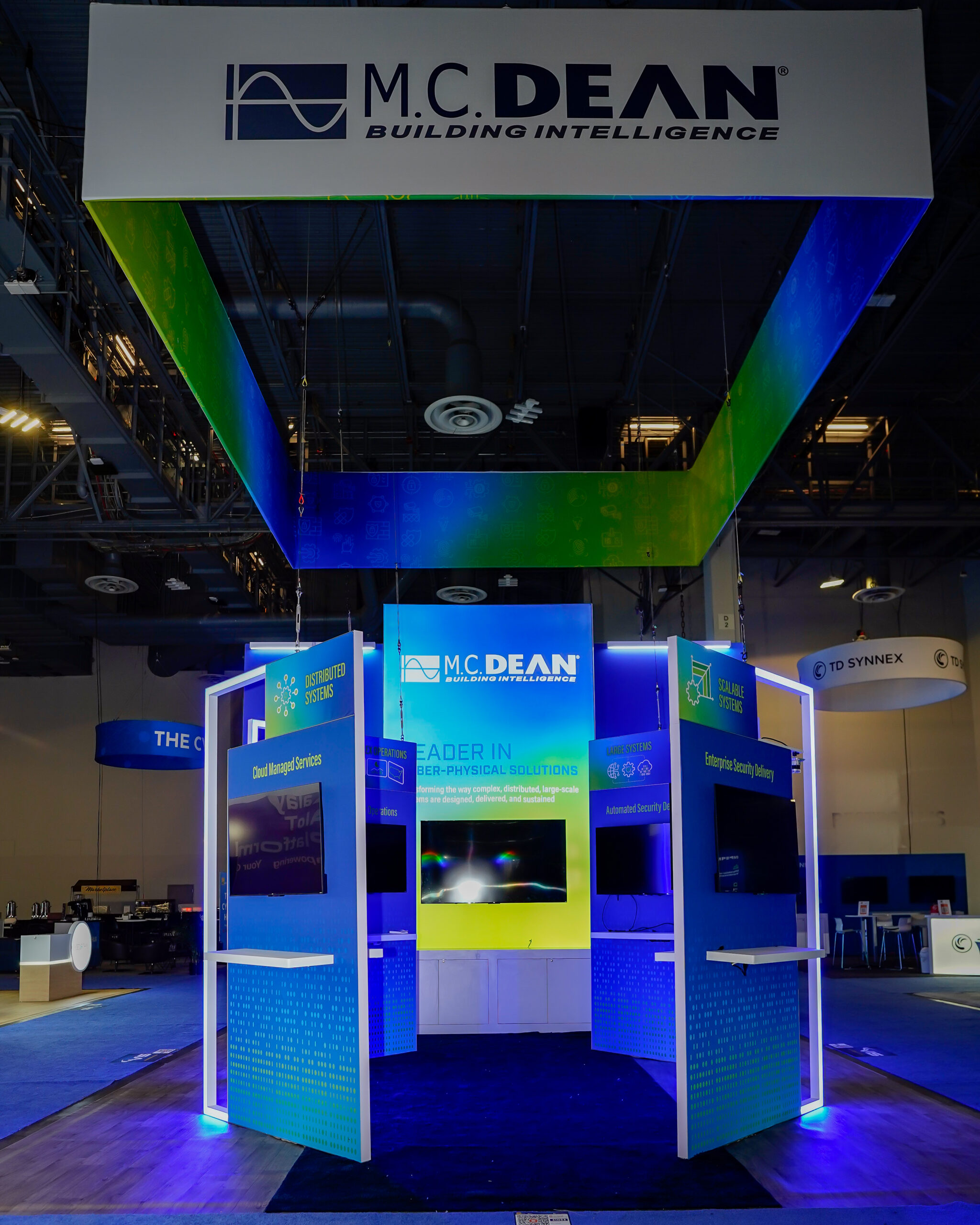
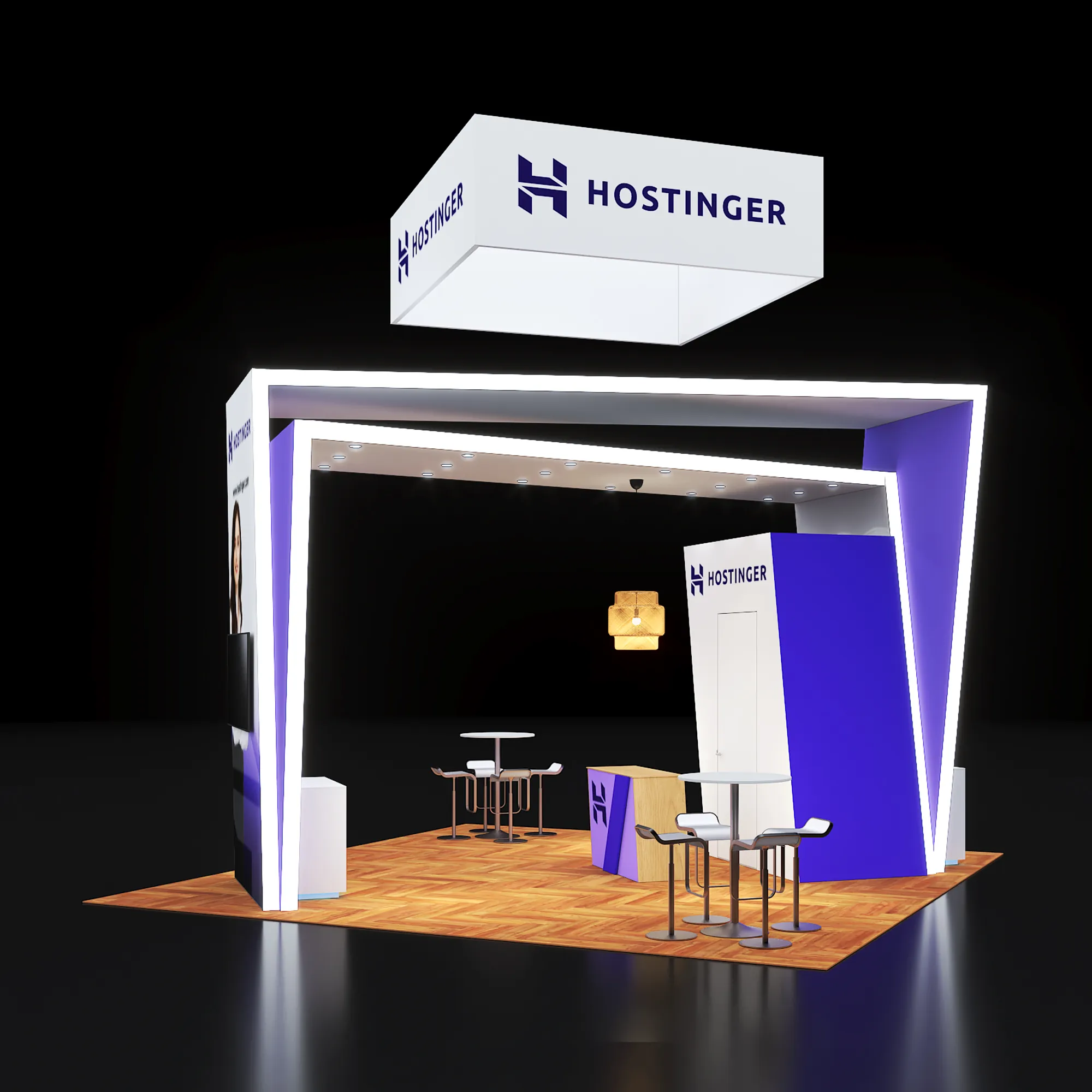
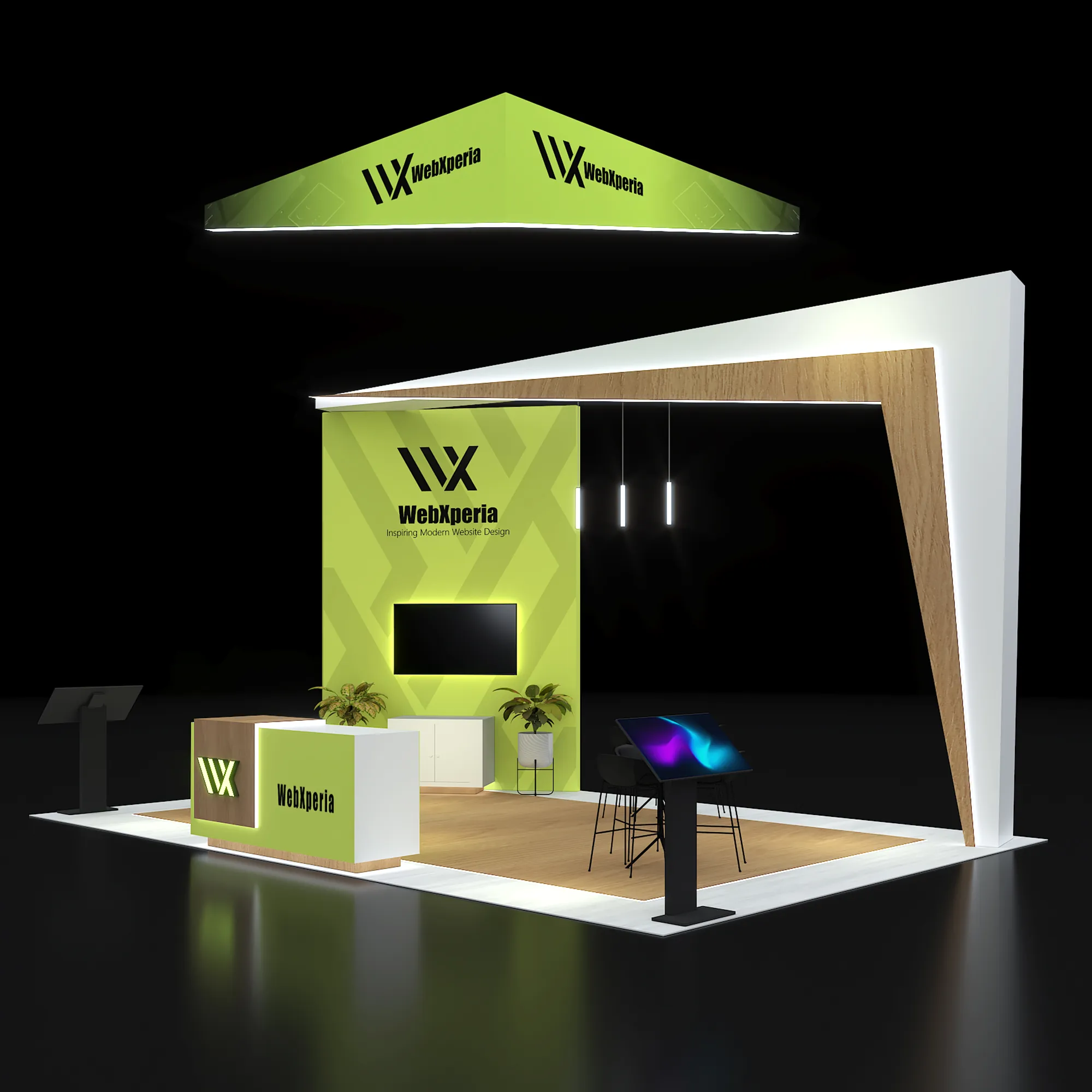
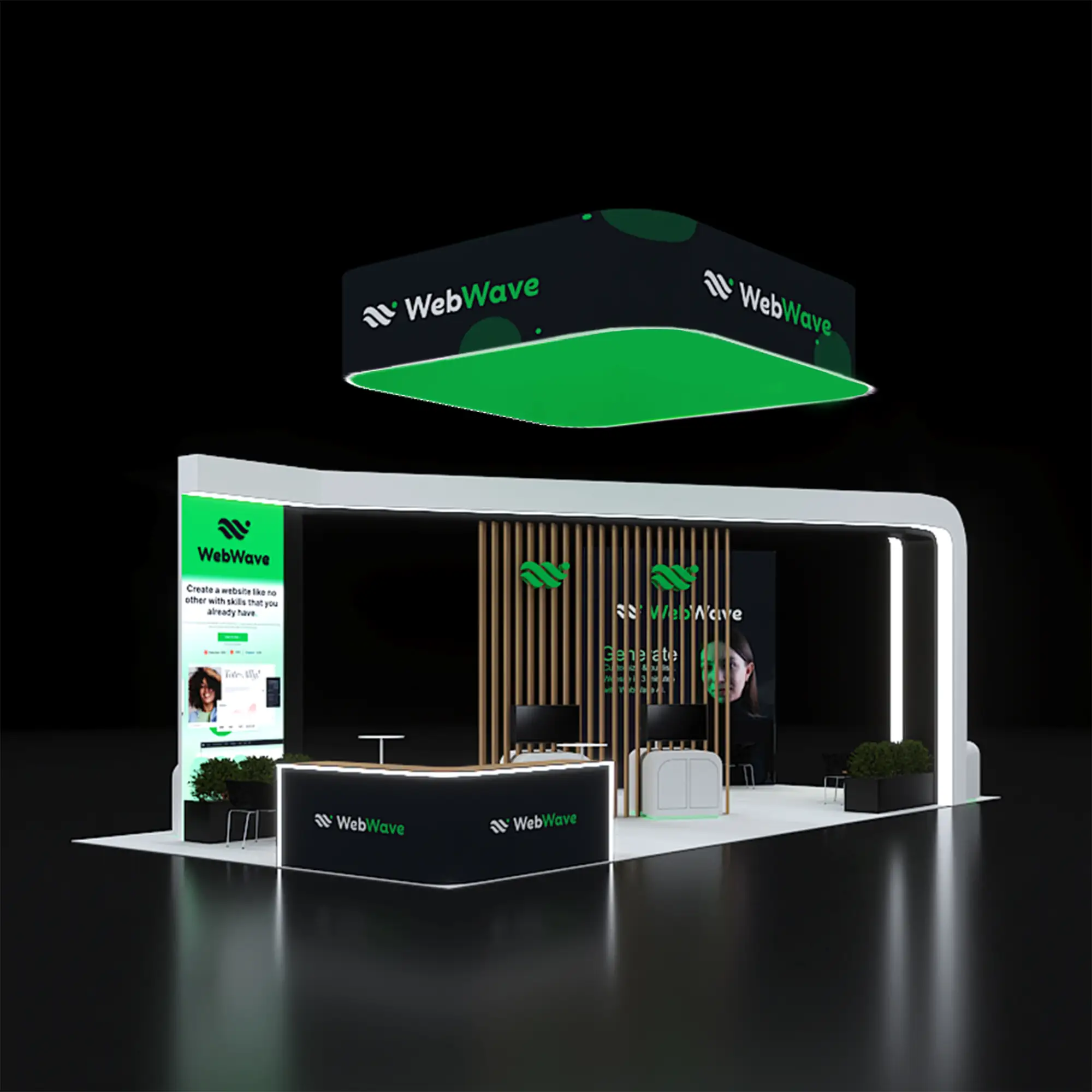
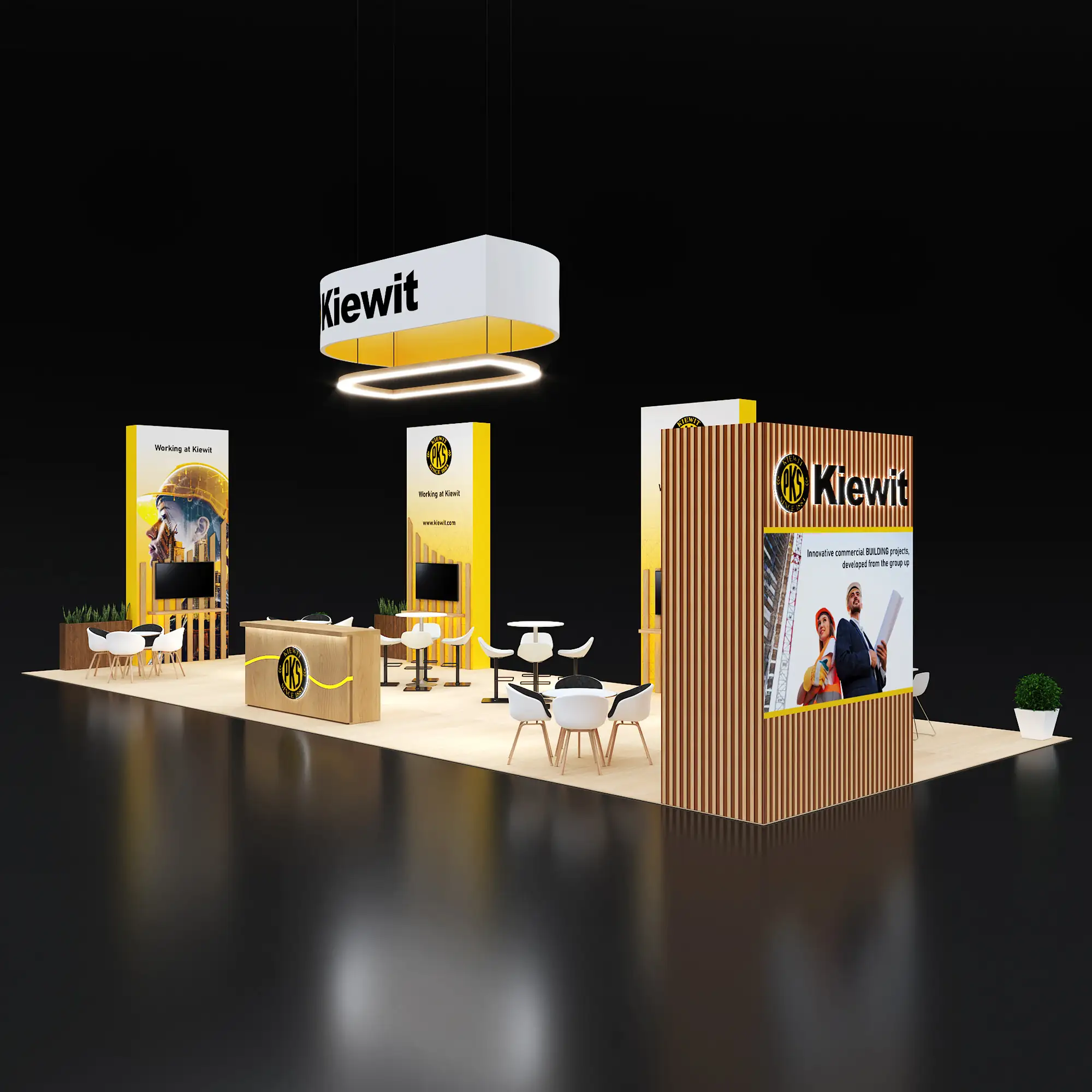
Each project below was quoted once and delivered to match its photo proof — inline booths through 30×30 islands, security software to consumer brands. The New York exhibit you rent comes out of this same inventory, from this same build team. Click any project for a closer look.
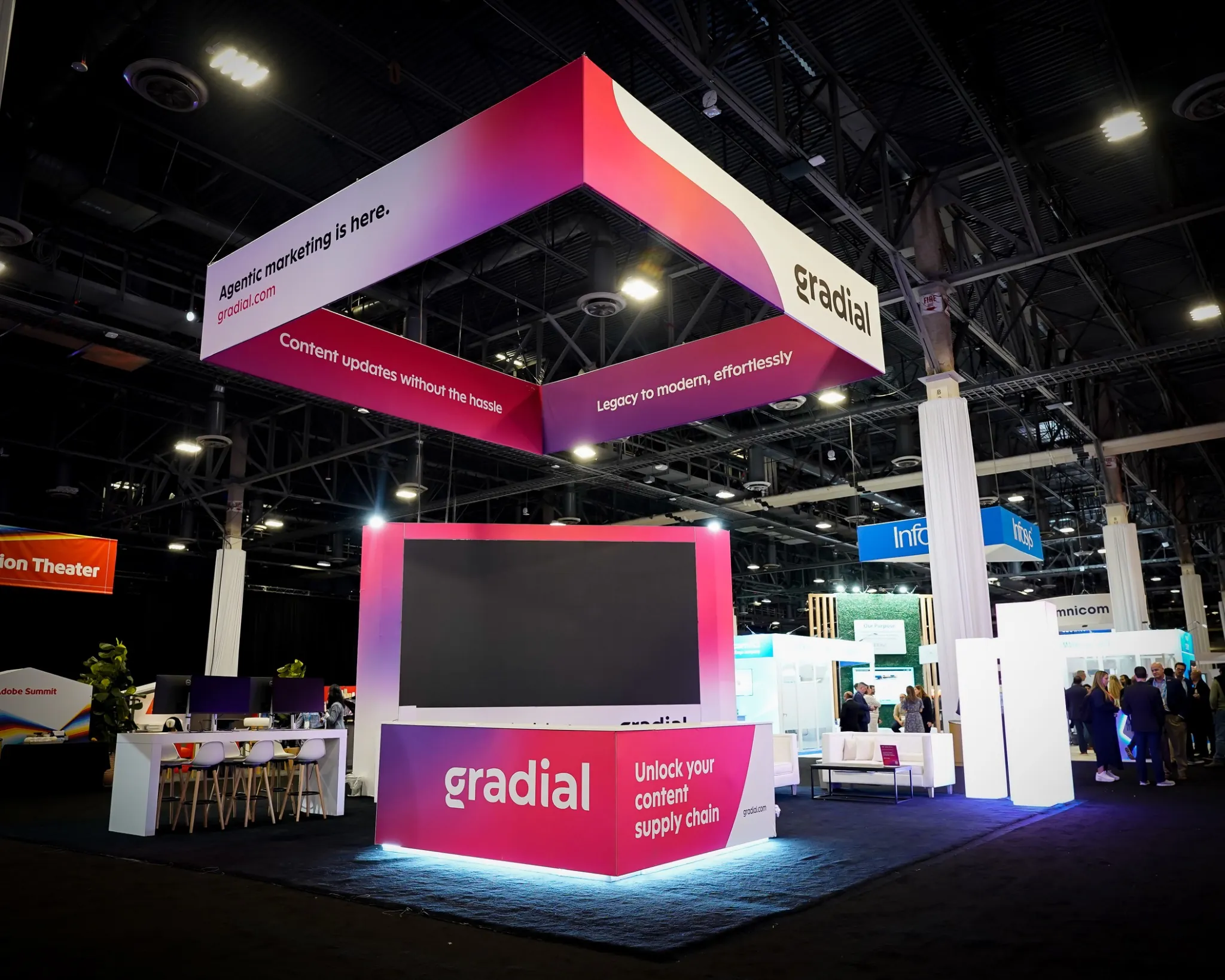
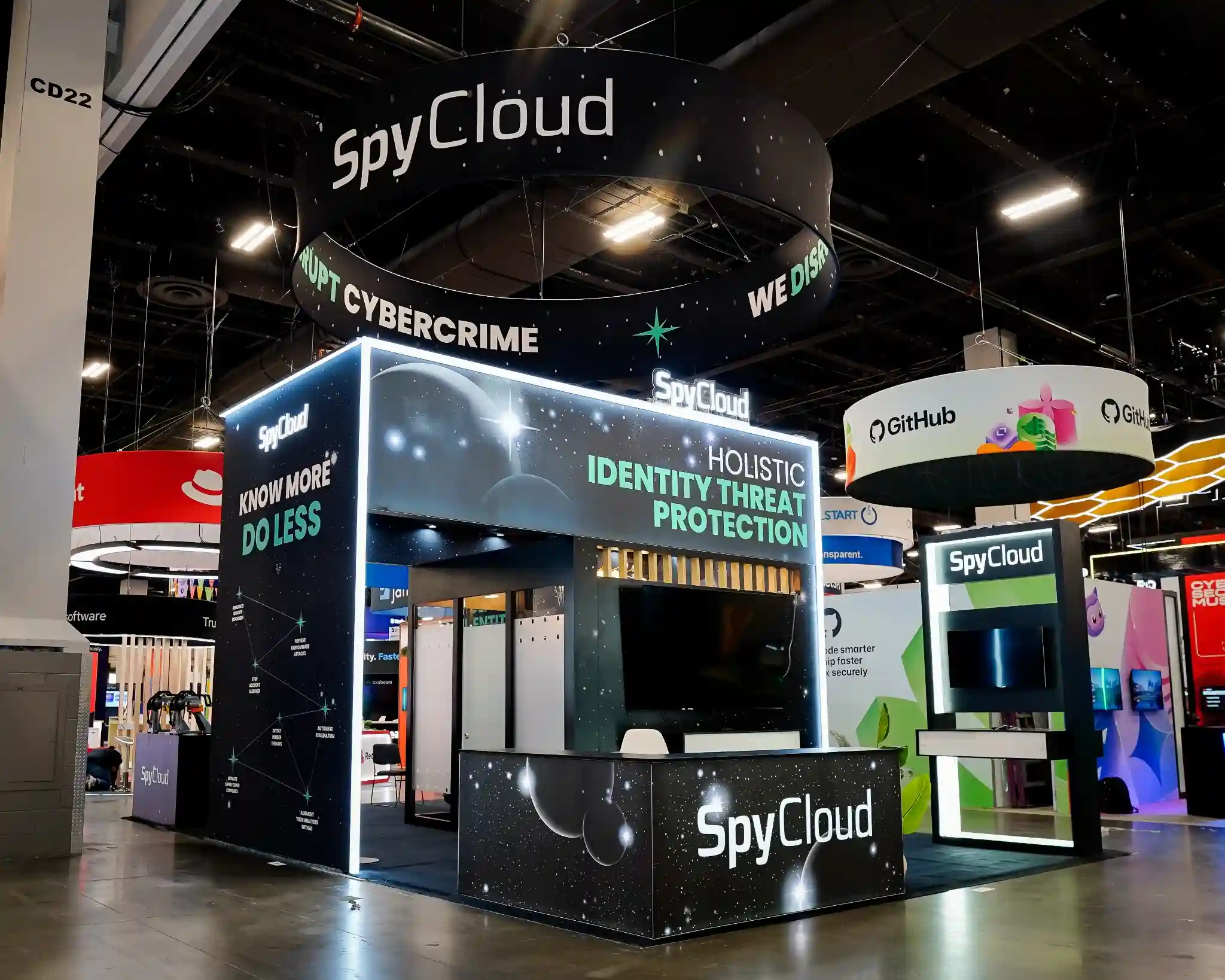


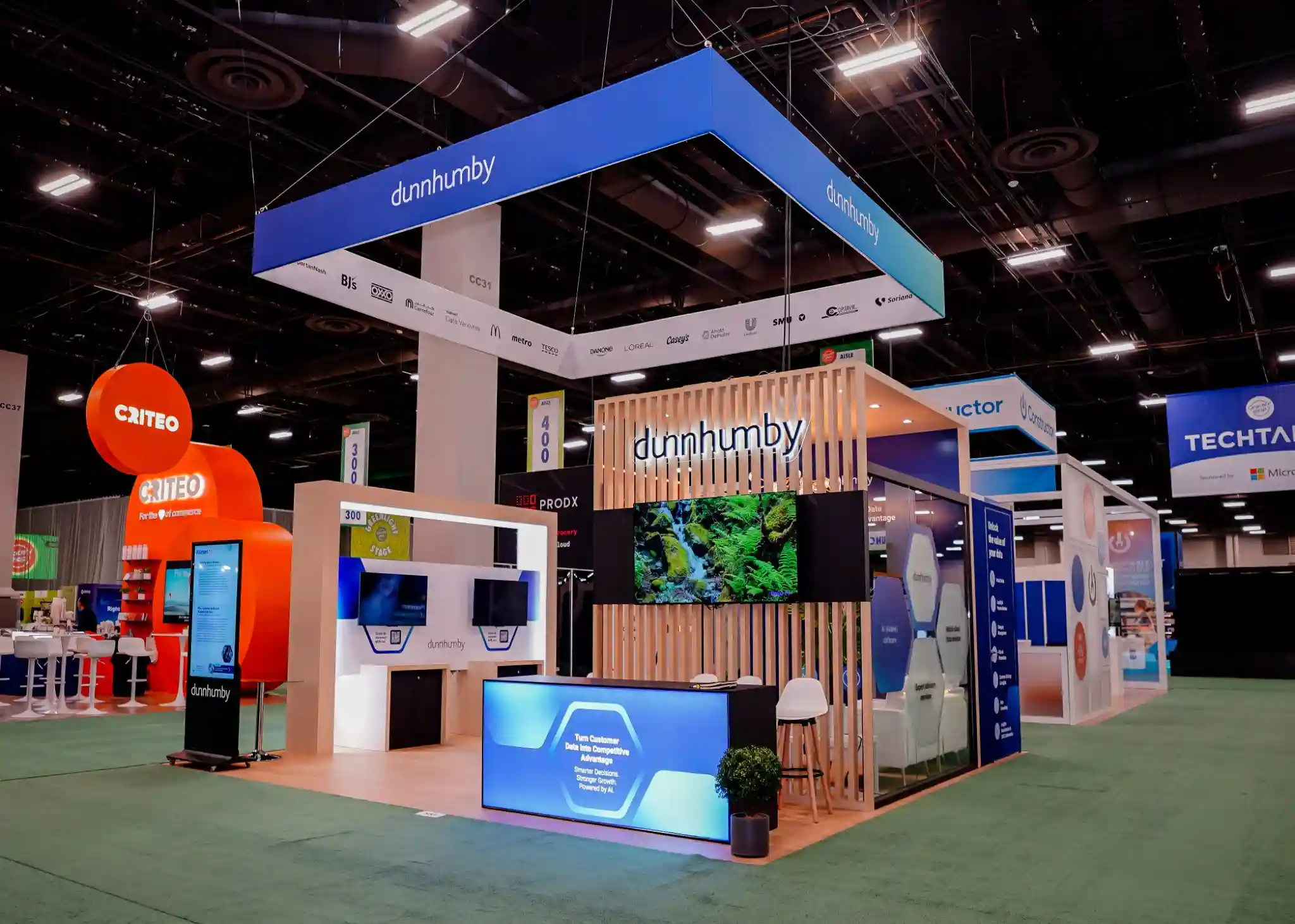
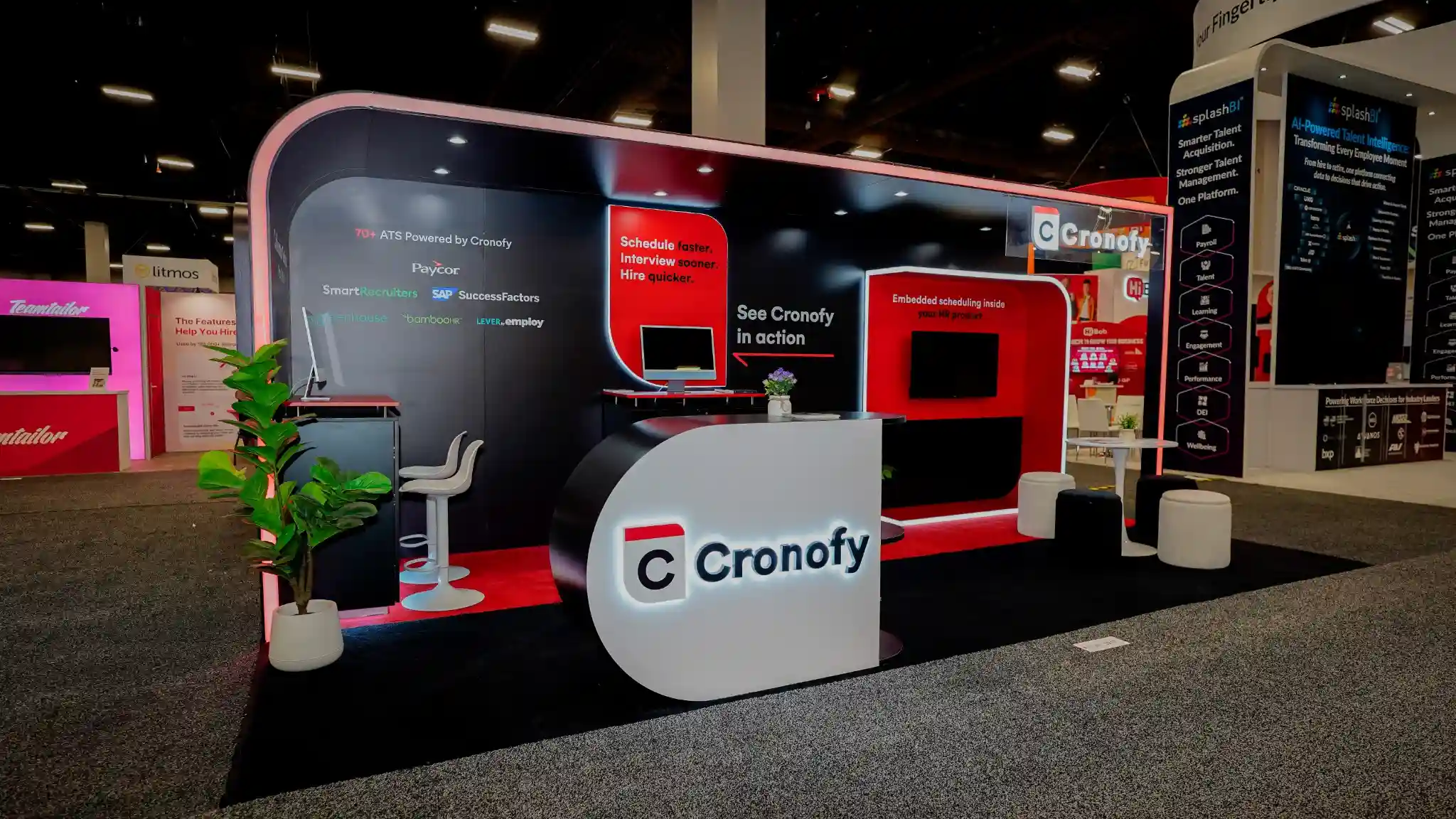

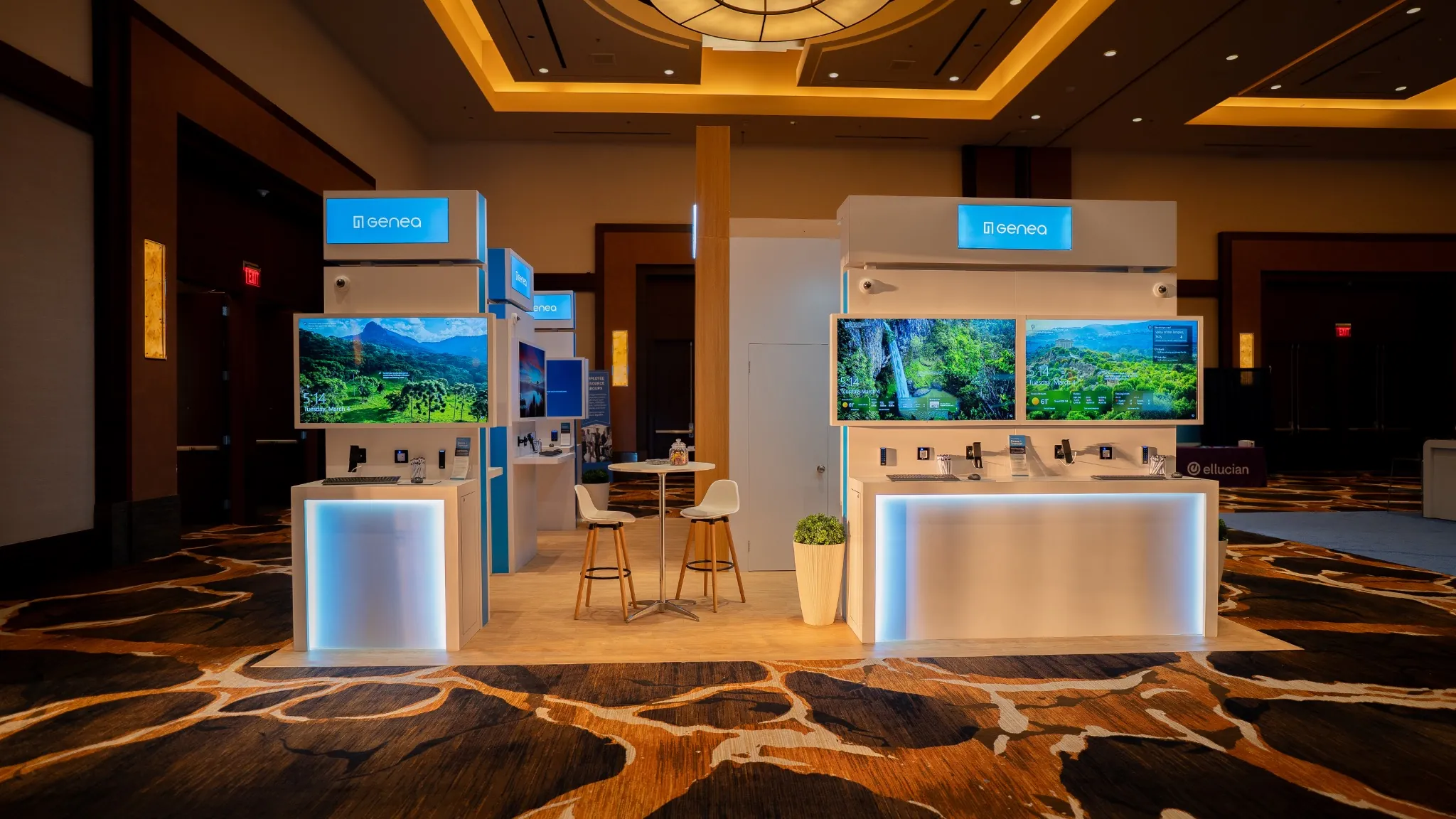


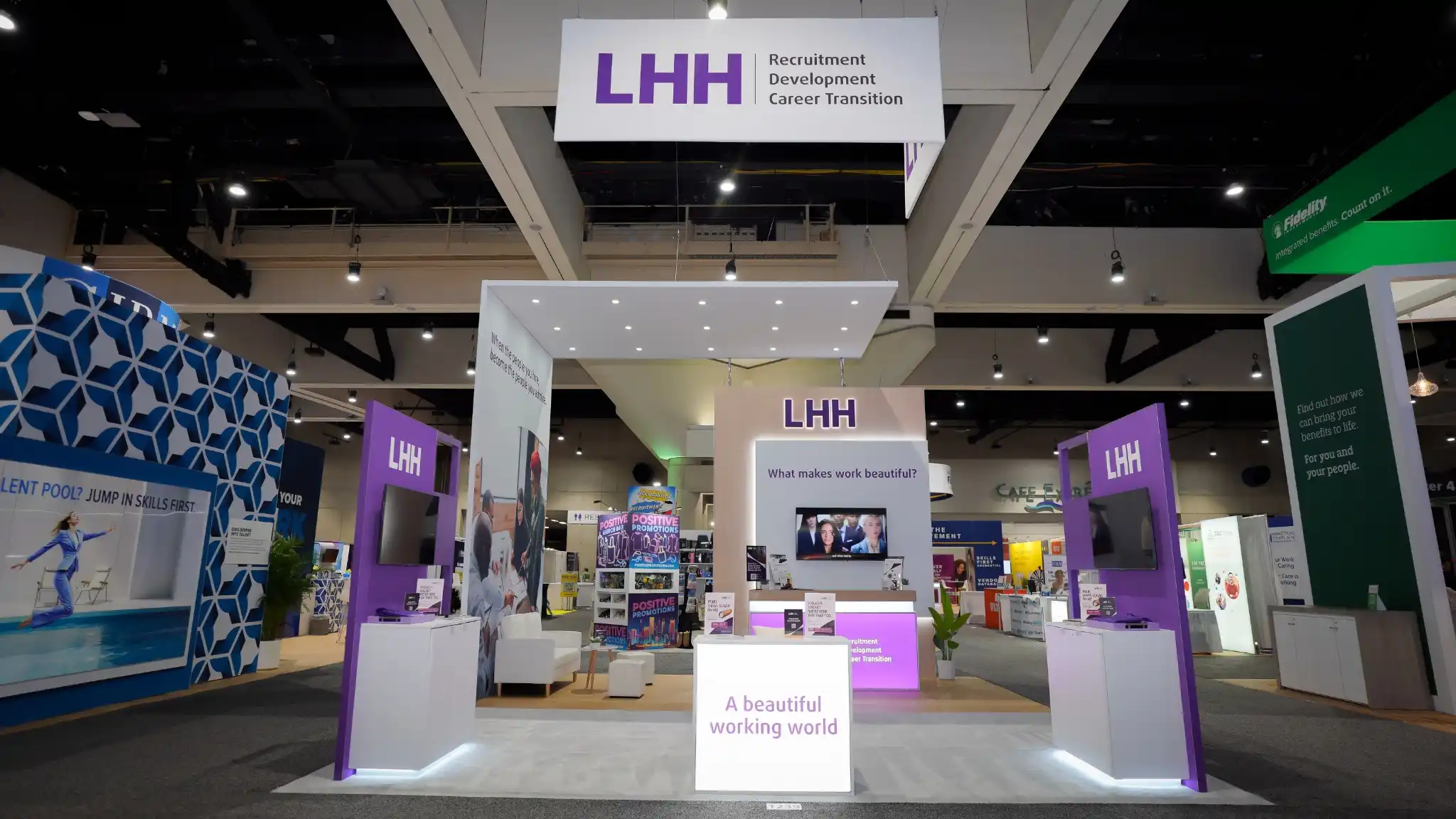
Curious what sat behind a build — the brief, the budget, and how the show went? Teramind, Appdome, Afresh, WillowTree, Yuna, LHH and Genea each tell it in the case study hub.


A booth that works in New York is won before the truck crosses the Hudson. Pure Exhibits fabricates every exhibit in-house, stands it up completely in the shop, photographs it for your sign-off, then crates it so union I&D crews at Javits can re-assemble it in the fewest possible labor hours — the line where New York budgets usually bleed. Fortune 500 teams and first-time exhibitors run the same playbook with us across NRF, NY NOW, ICFF, INTERPHEX, and 200+ events a year nationwide, all on one contractual number.
“The prospect of managing all of the details with big trade shows is daunting to say the least. But the Pure Exhibits team made it easy… If you are looking for a real partner that you can count on, then I recommend you talk with Utsav and his team.”
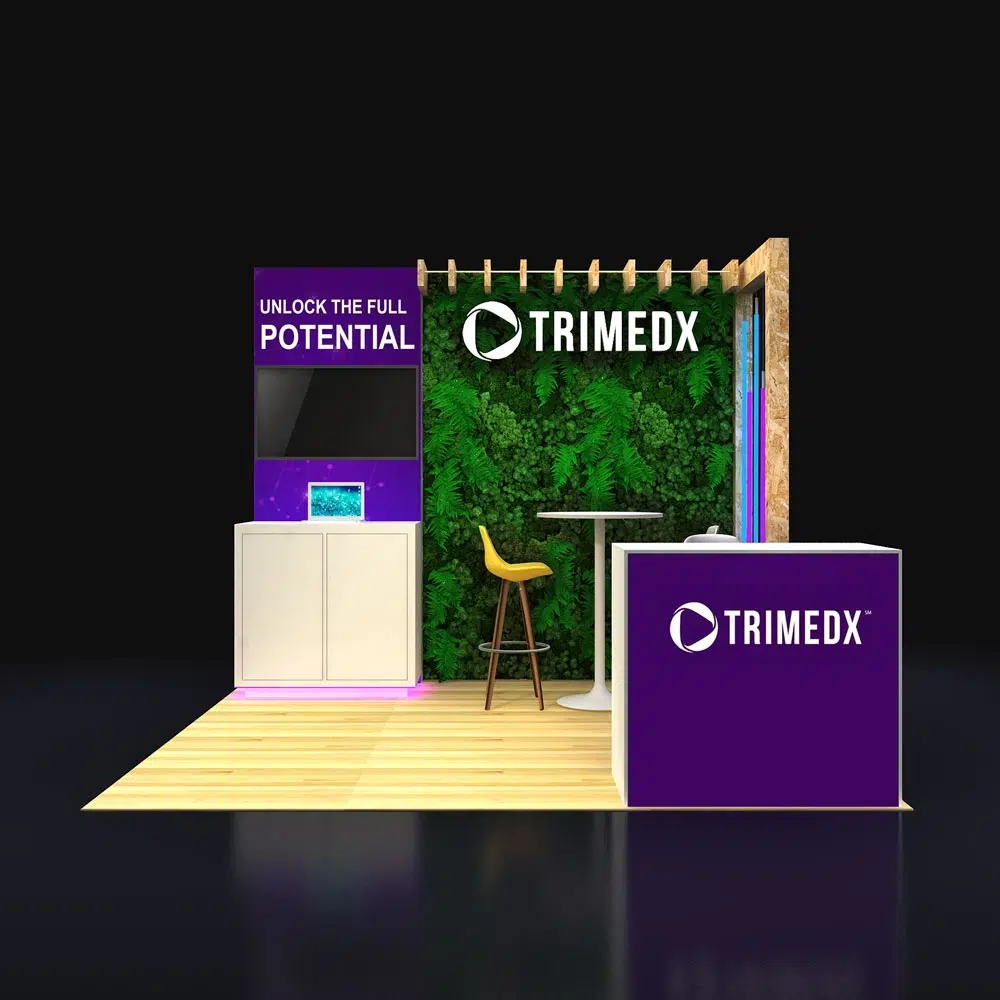
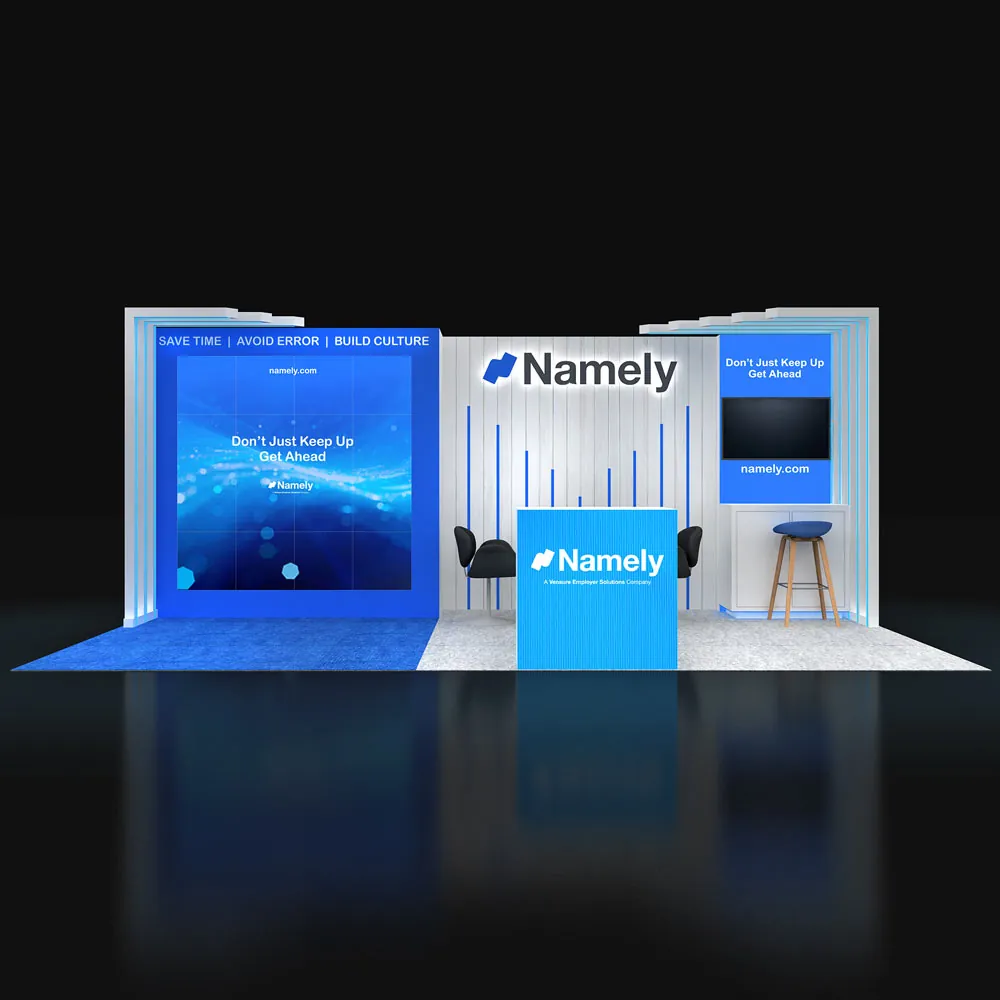
Footprint decides almost everything at Javits — the drayage weight, the union labor hours, hanging-sign rights, even which aisles feed you. Pick a size below and the fixed price comes with it. One New York-specific note: rigging for hung signs belongs to the venue’s union crews and the request windows close well before move-in — decide on day one, not week six.
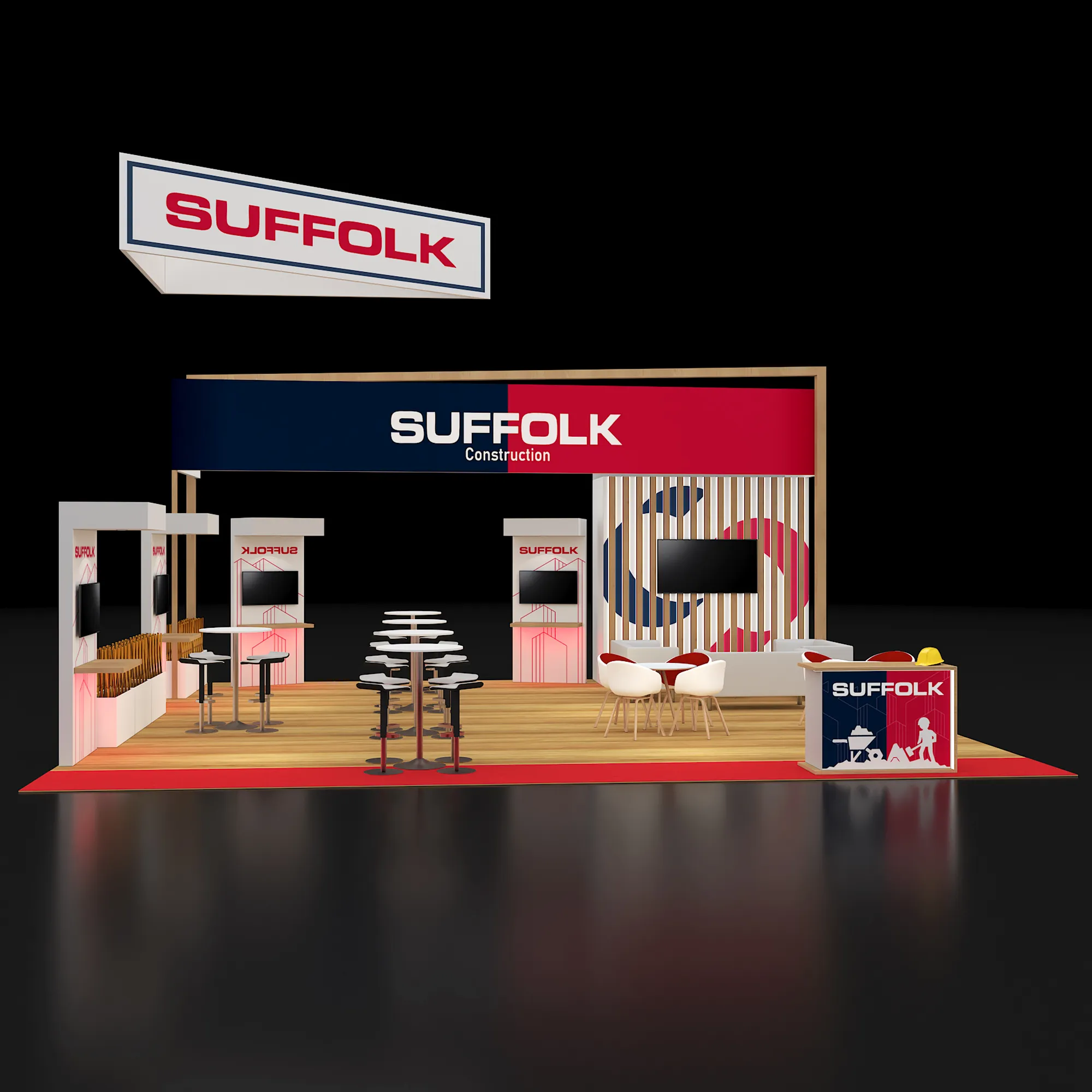
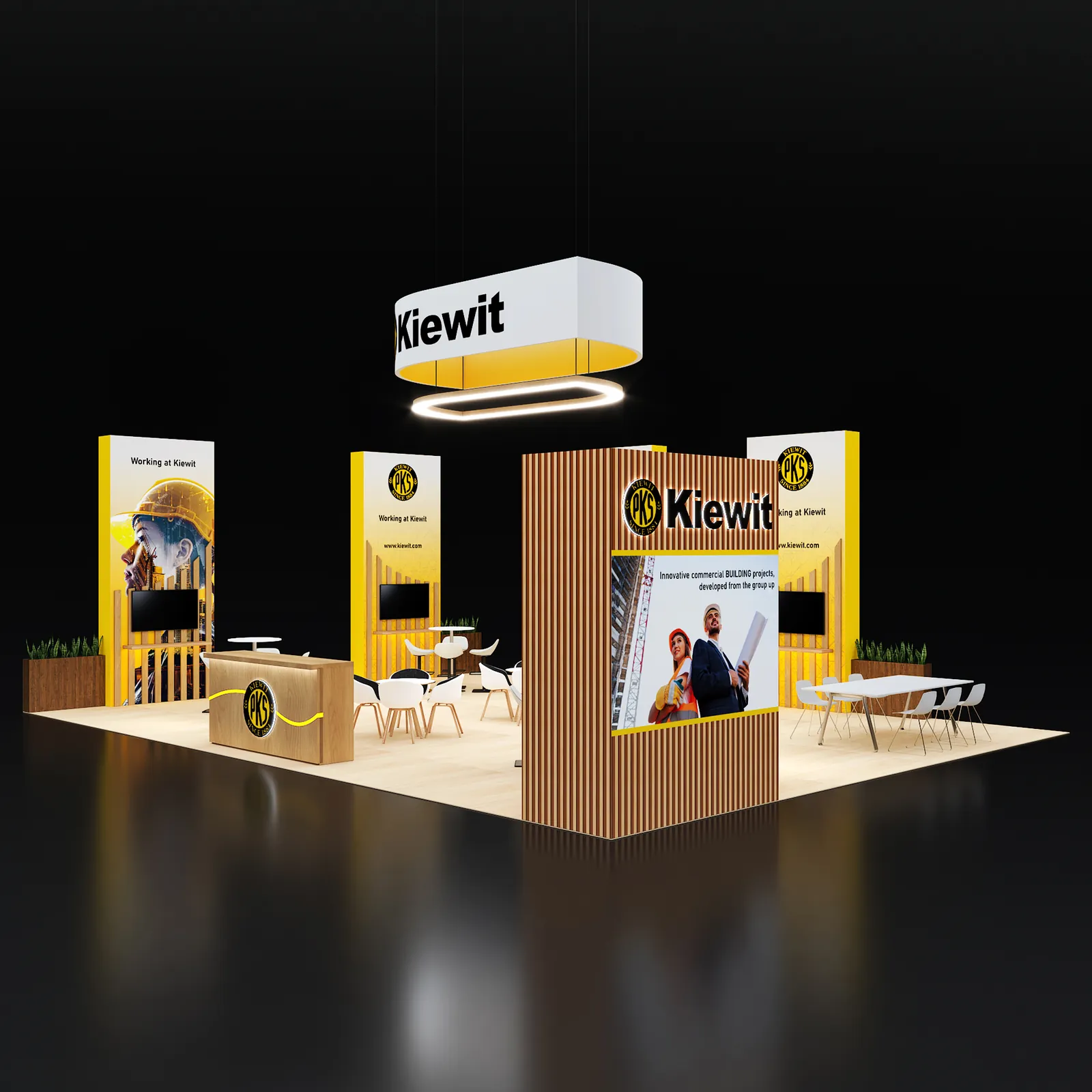
“Since being with SpyCloud, Pure Exhibits has exceeded our expectations at every turn. They truly understand our brand and needs, from starting with a 10×20 booth to maximizing our presence with a 20×30 including a meeting space and four demo stations! Pure Exhibits has been with us every step of the way. They have helped us create a commanding presence on any expo floor that authentically represents who we are. It is a thrill to work with them and see what’s next on our journey. I highly recommend them.”
Torn between two sizes? Send the show and your space number — we’ll tell you which one that floor plan actually rewards.
Exhibit quotes in this market tend to be opening bids. These are finishing numbers — the figure on the contract is the figure on the closeout. Take them into your budget meeting and hold us to them.
| Footprint | Area | Fixed price | Typical use |
|---|---|---|---|
| 10×10 | 100 sq ft | $13,000 – $15,500 | Inline. A first Javits outing, one sharp message. |
| 10×20 | 200 sq ft | $20,000 – $24,000 | Inline. Two demos and a place to sit a buyer down. |
| 20×20 | 400 sq ft | $31,000 – $35,000 | Island. Open to all four aisles. |
| 20×30 | 600 sq ft | $33,000 – $38,500 | Island. Adds a closed meeting room. |
| 20×40 | 800 sq ft | $38,500 – $49,500 | Island. Zoned demo, briefing, and hospitality. |
| 20×50 | 1,000 sq ft | $44,000 – $55,000 | Island. A product wall at showroom length. |
| 30×30 | 900 sq ft | $44,000 – $55,000 | Island. Center structure, theater seating. |
| 30×40 | 1,200 sq ft | $60,500 – $71,500 | Island. Flagship, double-deck capable. |
Four costs at the Javits Center go to the show or venue no matter who builds your booth: the exhibit space itself, electrical service, drayage — material handling charged per hundredweight (CWT) by the show’s contractor, with certified scale tickets required at the truck check-in — and rigging for anything hung. We can’t make those ours, so we do the next best thing: estimate each one against your booth’s real crated weight and plan, before you commit to anything.
Payment terms: 50% to open design and production, the balance 30 days ahead of the show — the full cost picture in writing from the first quote.
Ask a New York exhibitor where the budget actually went and the booth is rarely the answer. It’s the paper that followed: a drayage true-up because nobody weighed the crates before Manhattan, union overtime because the truck missed the yard’s 2:30 cutoff, a reprint, a filing fee, a “small” change order. Here is the same 20×20 island in New York, quoted two different ways:
Certainty costs less than surprises. One contractual figure from design through dismantle, the show-billed items forecast beside it — and a closeout your finance team approves without a single question.
A 3.4-million-square-foot campus on the Hudson, 74 covered docks, a four-level truck marshaling facility, and a union jurisdiction on every task — the Javits Center rewards exhibitors who plan for its system and punishes the ones who discover it on move-in morning. We plan for it.
The fixed price covers design through dismantle, with the show-billed lines — space, electrical, drayage, rigging — forecast right beside it. Your budget is complete on day one, not reconstructed after closeout.
At Javits the teamsters own freight and rigging, the carpenters own booth assembly and flooring, and the electricians own power and lighted signs. We design so each trade’s scope is clean and quick — billed labor hours are the biggest lever on a New York budget.
Trucks check in at the North Freight office on 12th Avenue with a BOL and certified scale weight tickets, and the yard runs 8:00am to 2:30pm. We book the carrier, time the check-in, and keep your team off the phone with dispatchers.
Your booth is fully assembled in our shop — every wall, light, and bracket — photographed for your approval, then crated. What the crew unpacks on 11th Avenue is a booth that has already worked once.
Level 3 carries 500,000+ contiguous square feet on a single floor; more halls sit below it, and the 2021 North expansion added river-facing spaces and the rooftop pavilion. Which floor your space number lands on changes the freight run and the install plan.
The invoice matches the PO to the dollar. No overtime line you didn’t expect, no drayage true-up weeks later — the project ends the day the show does.
Quotes within 24 hours — sooner if your New York show date is close.
Renders sell booths; video proves them. Walk finished builds from a 10×10 up to 40×40 flagship scale and judge the finish for yourself — the same standard every Pure Exhibits rental ships with, whether it’s bound for NRF, NY NOW, or INTERPHEX.
 ▶
▶30′×60′ Custom Rental Booth Build
 ▶
▶40′×40′ Custom Rental Exhibit
 ▶
▶30′×30′ Custom Exhibit
 ▶
▶30′×30′ Custom Exhibit
 ▶
▶30′×30′ Custom Exhibit Rental
 ▶
▶20′×30′ Custom Exhibit Booth
A beautiful booth that captures nothing is expensive decoration. Every New York design decision we make traces back to a working question: who stops, what do they do next, and what does your team leave the hall holding?
Scaled to read across a Javits hall, where sightlines run the width of the floor
Openings set for how the aisles actually feed your space, not how the render looks
Your core message legible before an attendee is close enough to badge-scan
Demo stations that hold a small crowd without choking the aisle behind them
Height and lighting spent where the hall demands it — and nowhere else
Layouts built from your lead and meeting targets, not a template library
Meeting space placed where it will actually get used between sessions
Modular bones that re-skin for next season’s show instead of starting over
Space confirmed late, a vendor backed out, the launch moved up — it happens every season. Our rush track builds, stages, and ships a complete exhibit in 24 business days, at the same fixed price. ✓ Rush rentals, 24 business days
New York quotes have a way of growing between signature and closeout. Ours can’t — the contract is the price, and the show-billed lines are forecast next to it before you commit. ✓ One contractual number
A designer, a fabricator, a freight broker, a labor company, and a graphics shop — each pointing at the others when something slips. Here it’s one team and one phone number from sketch to teardown. ✓ Single-team delivery
Union jurisdictions, CWT drayage, certified weight tickets, a marshaling yard that closes at 2:30 — the venue’s system catches first-timers every show. We’ve designed for it so long it’s built into the booth itself. ✓ Javits Center experts
Somebody told a client, a CMO, or a board what this booth would cost and when it would be standing — usually the event manager. At Javits, where one missed yard window or one drayage surprise can break both promises before lunch, our whole process exists to keep your word for you — and to hand you the paper trail that proves it, stage by stage.
One conversation about your show, space number, and goals. You leave it knowing what your budget genuinely buys at Javits — including the show-billed costs nobody else brings up until the invoices arrive.
3D concepts within 3–5 business days, designed around your actual placement and sightlines — then revised until they’re right. Revisions are part of the process, not a change order.
The booth goes up completely in our shop — walls, lighting, graphics, screens — and you approve photographs of the real thing. Nothing is crated for New York until you’ve seen it standing.
Final QC, then we run the New York gauntlet for you: carrier scheduling, certified weight tickets before Manhattan, the 12th Avenue check-in, target dates, and venue paperwork. Your team never talks to a dispatcher.
Because the booth has already stood once, the union crew is re-assembling a known quantity — every panel labeled, every connection proven. Fewer billed hours, no improvising on the floor.
A screen misbehaves, a graphic needs swapping, the client wants a change before day two — you call one number and it’s handled while the hall is still open.
Teardown, crating, and outbound freight are ours. Your team walks out when the show closes; the closeout invoice that follows matches the contract you signed.
Most of New York’s show floor sits at one address — 11th Avenue between 34th and 40th — but the Javits campus installs like several venues, and the city’s boutique floors run by entirely different rules. If your program travels, the same fixed-price model runs in Chicago, Washington D.C., Baltimore, and Detroit.
The largest single exhibit floor in the city, where the anchor shows spread out. Long drayage runs and long sightlines both get planned here — crate weights, rigging calls, and target dates are set around this floor’s realities.
Closer to the lobby and the light, with a different relationship to the docks than the floor above. Booths here meet arriving attendees first — finish quality is visible from the concourse before anyone scans a badge.
The newest wing, opened in 2021 with its own entrance and river-facing spaces. Events here skew conference-plus-expo, so we build booths that work hard in tighter rooms with high decision-maker density.
Receptions, launches, and special events attached to larger shows. Light builds, fast turnarounds, and finishes that hold up in daylight — a different discipline from the exhibit halls downstairs.
A very different animal from Javits: street-level load-in, tighter freight windows, no marshaling yard. Pre-staged builds that install fast are exactly what these conditions call for.
Conferences and corporate events across the city’s hotels run on freight elevators and overnight windows. Same fixed-price model, same photo-approved delivery, right-sized for the room.
Retail in January, gift markets in February and August, furniture in May, pharma in April, pop culture in October — New York’s calendar swings across industries, and each floor has its own rules of engagement. Pure Exhibits designs for the specific show you’re walking into, not a generic exhibit hall.
Every show date implies a start date. Count backwards from these anchors and the runway each one needs becomes obvious — and if your show isn’t on the list, we’ll pull its exhibitor manual before we quote.
| Show | When | Venue | Start planning |
|---|---|---|---|
| NRF — Retail’s Big Show | January | Javits Center | 5 months |
| NY NOW | February & August | Javits Center | 4 months |
| NY Intl Auto Show | April | Javits Center | 4 months |
| INTERPHEX | April | Javits Center | 4 months |
| ICFF | May | Javits Center | 4 months |
| New York Comic Con | October | Javits Center | 5 months |
NRF gets five months, not four — the show opens in the first half of January, which parks fabrication, freight, and approvals squarely across the holiday shutdowns. Carriers thin out, nobody answers a phone the week your crates need to move, and the advance warehouse keeps its own schedule. Plan the runway and it’s routine; miss it and the calendar does the negotiating. Already compressed? The rush track below exists for exactly that.
Vendor fell through before NRF? Space came through late for NY NOW? Tell us the date — we’ll tell you what’s buildable.
For most New York exhibitors the math favors renting, for a reason specific to this market: a booth you own still pays Javits drayage, union labor, and show services every year it exhibits — plus warehousing and refurbishment in between, at metro-area storage rates. A rental resets the design each cycle and drops the ownership overhead entirely.
| Factor | Renting | Owning |
|---|---|---|
| Cash outlay | One predictable fee per show | Large capital purchase upfront |
| Between shows | Nothing to store or insure | Warehousing billed year-round |
| Wear and repairs | Our problem, not yours | Refurbishment on your budget |
| Design refresh | New look every cycle | Rebuild costs to change anything |
| Scaling | 10×10 this year, island next | Locked to what you bought |
| Show logistics | Bundled into the rental | Sourced separately each time |
Ownership pencils out only for teams running one large footprint at many shows a year — and even those teams often rent in New York rather than truck a booth into Manhattan.
Our published fixed pricing runs $13,000–$15,500 for a 10×10 up to $60,500–$71,500 for a 30×40 — and that figure covers design, fabrication, graphics, freight, union I&D coordination, and project management, contractually. Separately, every Javits exhibitor is billed by the show for space, electrical, drayage, and rigging; we forecast those four lines against your specific booth before you sign, so the complete cost of exhibiting is visible up front.
Drayage at Javits is charged per hundredweight (CWT) by the show’s official contractor, and the venue requires certified truck-scale weight tickets at freight check-in — so the weight on your paperwork is the weight you pay for. Drayage is billed by the show, not by us. What we do is estimate it line by line in your New York quote from your booth’s real crated weight; because our booths are engineered light and crated tight, that number is usually smaller than exhibitors fear.
Half on signing, which opens design and production; the other half 30 days before the show. Nothing follows — no true-ups, no post-show reconciliation invoice. To see how the fixed model works size by size, browse the priced rental exhibits.
Yes — and New York is a natural place to bundle, because the calendar hands you NRF in January, NY NOW in February and again in August, and ICFF in May. Booking a program locks pricing across the run, holds your design and graphics between shows, and puts one PM across the whole sequence instead of three separate projects.
Both, and that’s the point. We fabricate every exhibit ourselves — structures, graphics, finishes — then deliver it on a rental model. You get build-shop quality without buying, storing, or maintaining anything, and every booth is stood up and tested in our shop before it’s crated for Javits.
Three things, honestly. The price is contractual — the figure you sign is the figure you pay, with the Javits show-billed costs forecast beside it rather than discovered later. The booth is proven before it ships — fully assembled in our shop and photo-approved by you, so the union crew in New York re-assembles a known quantity in fewer billed hours. And one project manager owns everything from sketch to closeout, including the yard timing and paperwork grind that eats event managers’ weeks.
The structure, custom graphics, flooring, lighting, furniture, and AV if the design calls for it — plus freight to the venue, union I&D coordination, show-services filings, and a dedicated PM. One quote, one line on your budget. The rental packages page breaks down scope in detail.
You pick or commission a design; we build it, stand it up in the shop, and send you photographs to approve. Then we crate it, weigh it, run it through the 12th Avenue check-in on its target date, manage the union install, stay on call through the show, and handle dismantle and return freight. Your involvement peaks at the design stage — by show week, your only job is working the booth.
One, from kickoff to closeout — the same person who priced your booth answers the phone during move-in at Javits. No handoffs between a sales rep, a producer, and a site lead. If you’d like to start there, talk to a project manager before you commit to anything.
Yes — your PM is reachable through move-in, show days, and dismantle. A flickering screen or a last-minute graphic swap gets handled while the hall is open, not logged in a ticket system for next week.
Yes — drayage, electrical, union labor, and rigging are each estimated as their own line in the quote, calculated from your booth’s actual crated weight and power plan. Those items remain billed by the show, but the estimate is accurate enough that your finance team can budget them as real numbers, not placeholders.
The working set is — counters, tables, seating, and lockable storage sized to the design. If your brand standard calls for specific premium pieces, we source and include them in the same fixed number rather than tacking on a rental line later.
Three systems catch first-timers. Union jurisdictions: teamsters handle freight and rigging, carpenters build and dismantle booths, electricians run power — exhibitors may self-set only booths of 250 square feet or less, with no tools, using full-time employees. The marshaling yard: trucks check in on 12th Avenue with a BOL and certified scale weight tickets, and the yard runs 8:00am to 2:30pm. And CWT drayage: you pay by weight to move crates from dock to booth. All three are manageable if the booth was designed with them in mind, which is precisely how ours are designed. First Javits show? Start with a planning call — it costs nothing and saves plenty.
Yes. We coordinate union-trained I&D crews and, more importantly, we hand them a booth engineered to install fast — pre-assembled once, labeled, and documented. Compliance is table stakes; cutting the hours the union bills is where we actually earn the fee.
Your booth ships as one coordinated freight move — either to the show’s advance warehouse or direct to Javits on its target date. Trucks approach via the Lincoln Tunnel or the George Washington Bridge (commercial vehicles are banned from the parkways), check in at the North Freight office on 12th Avenue, and the show’s contractor carries the freight from dock to your space — that last leg is drayage, billed per hundredweight. We book the carrier, secure the certified weight tickets before Manhattan, manage yard timing, and estimate the drayage from real crate weights in your quote.
Metropolitan Pavilion in Chelsea, and hotel and ballroom events across Manhattan. The model doesn’t change with the address: fixed price, photo-approved prebuild, coordinated install — only the freight plan changes, because nothing outside Javits has its docks.
Yes — NRF in January and both NY NOW markets are regular weeks on our calendar. Fixed-price rentals run from 10×10 inlines to islands, every one pre-staged and union-ready. NRF runways disappear early because the build crosses the holidays — book by August if you can, or if you’re already late, the 24-business-day rush track exists for exactly this.
That’s the whole job. We start from your brand guidelines and show objectives, design in 3D until you approve, and then — unusually — you approve again from photographs of the physically built booth before it ships. Two sign-offs, zero surprises on the floor.
Everything visible and most of what isn’t: layout, signage, screen count and placement, counters, lighting temperature and intensity, demo stations. The gallery on this page is all rentals — none of them look like they came from the same kit, because the kit is only the skeleton.
Yes — iteration is budgeted into the process, and most teams take two or three revision rounds before final sign-off. What we don’t do is convert your changes into surprise change-order fees; the fixed price already assumes the design will evolve.
All of them, from a 10×10 inline to 30×40+ islands and peninsulas — each configured to its space type’s rules (line-of-sight limits for inlines, height and hanging-sign allowances for islands) and prebuilt in-house before shipping to Javits.
The structure is the least memorable part of any booth — what people remember is what happened inside it. A demo they touched, a meeting that felt private on a loud floor, a message they could read from thirty feet. We spend the design budget on those moments, which is why our rentals at NRF and ICFF get mistaken for owned customs.
Eight to twelve weeks covers most New York shows comfortably — design, approvals, graphics, prebuild, and the Javits paperwork all fit. The exception is January: for NRF and the Boat Show, start around five months out, because the build calendar crosses the holidays and freight capacity thins exactly when you need it.
Behind schedule already? The rush track compresses the whole build to 24 business days without touching the price or skipping the photo proof.
If you can tell it’s a rental from the aisle, we’ve failed. The underlying structure is modular, but everything an attendee actually perceives — graphics, layout, lighting, finishes, furniture — is produced for your brand and your show. Book a design consultation and judge the difference from the portfolio yourself.
Send the show and your space number. Within 24 hours you’ll have design directions, one contractual figure, and the Javits charges forecast beside it — the whole cost of exhibiting in New York on a single page anyone can approve.