One fixed number. One project manager. One booth that installs clean at the Salt Palace — with the winter freight math done before you sign anything.
The Salt Palace Convention Center puts 515,000 square feet of exhibit space one block from Temple Square, and it plays by friendlier rules than the coastal halls — Utah is a right-to-work state, and the drayage rates run lower than most western markets. The costs that bite here are quieter ones: hundredweight math, advance-warehouse windows, and January freight crossing two interstates in storm season. Pure Exhibits builds Salt Lake City trade show booth rentals with all of it priced in — designed, fabricated, fully pre-staged and photo-approved before anything ships, in one contractual figure — so the only thing your team manages on show week is the show.
Salt Lake City looks like an easy market on paper — low drayage, flexible labor, an airport twenty minutes from the hall. Easy markets are where budgets quietly leak. More than 500 exhibiting teams hold us to the same three promises here: a figure that survives to closeout, a booth that matches its photo proof, and a person who answers the phone while the crates are still on the dock.


“They never just build the booth and disappear — I always know I have someone on call when the unexpected happens.”
Amanda Horner · Three years of Adobe Summit booths · Google Review


“It’s always a pleasure to work with Utsav. The process is simple, straightforward, and high quality. I have worked with them for 3 years now and will continue!”
Carlos Bautista · Three-year client · Google Review


On the Salt Lake calendar — RootsTech · FanX · MINEXCHANGE · Silicon Slopes Summit · USANA Live · International Sportsmen’s Expo
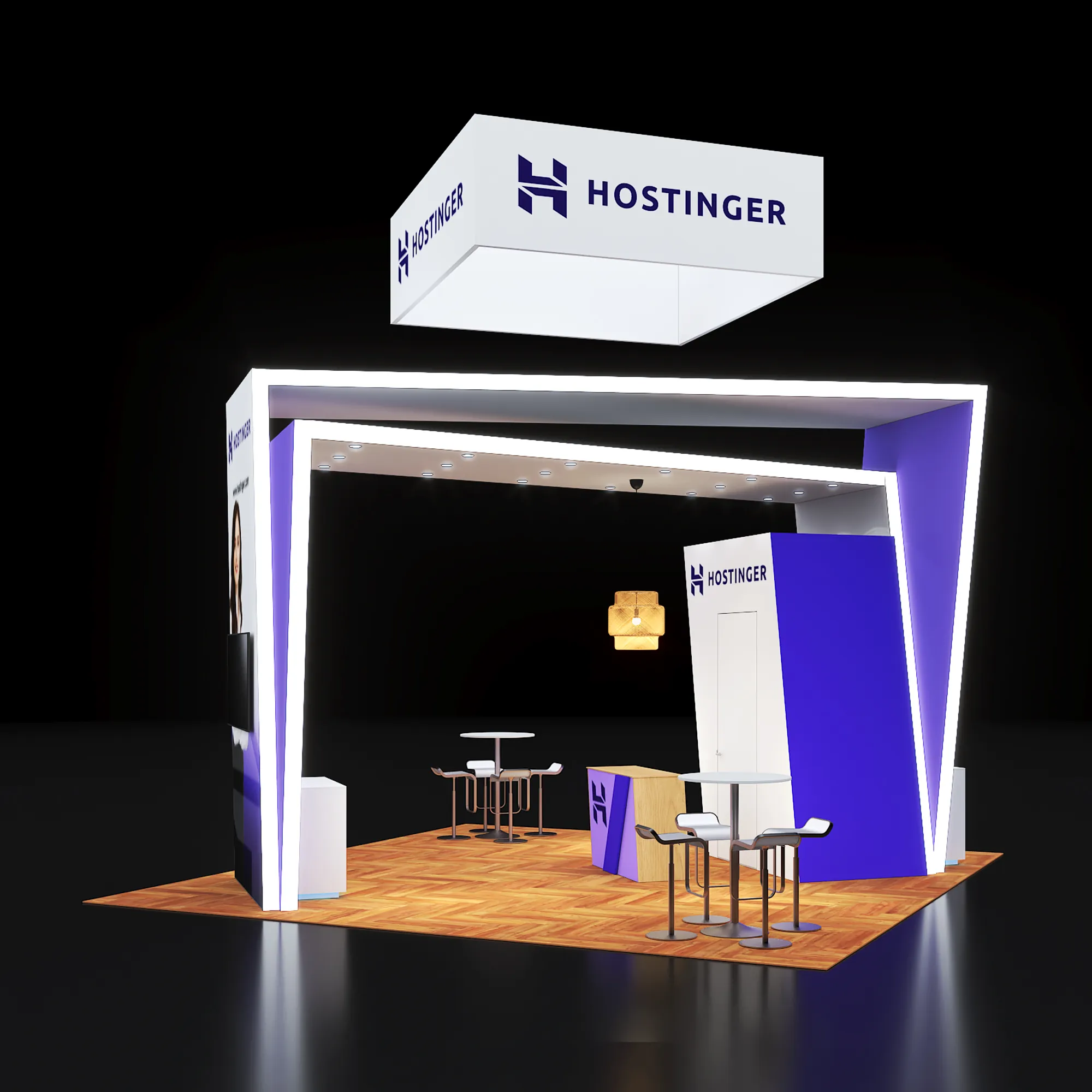
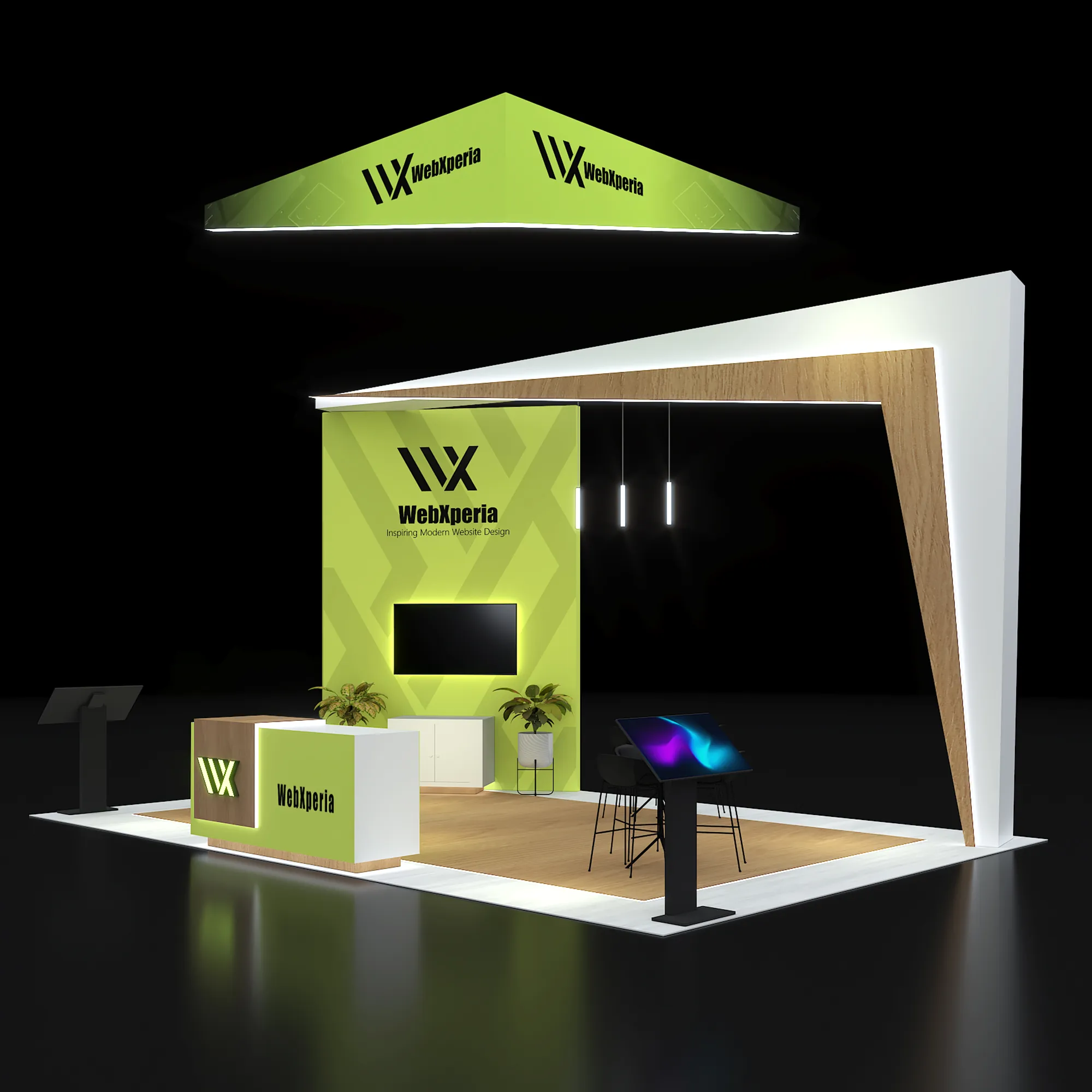
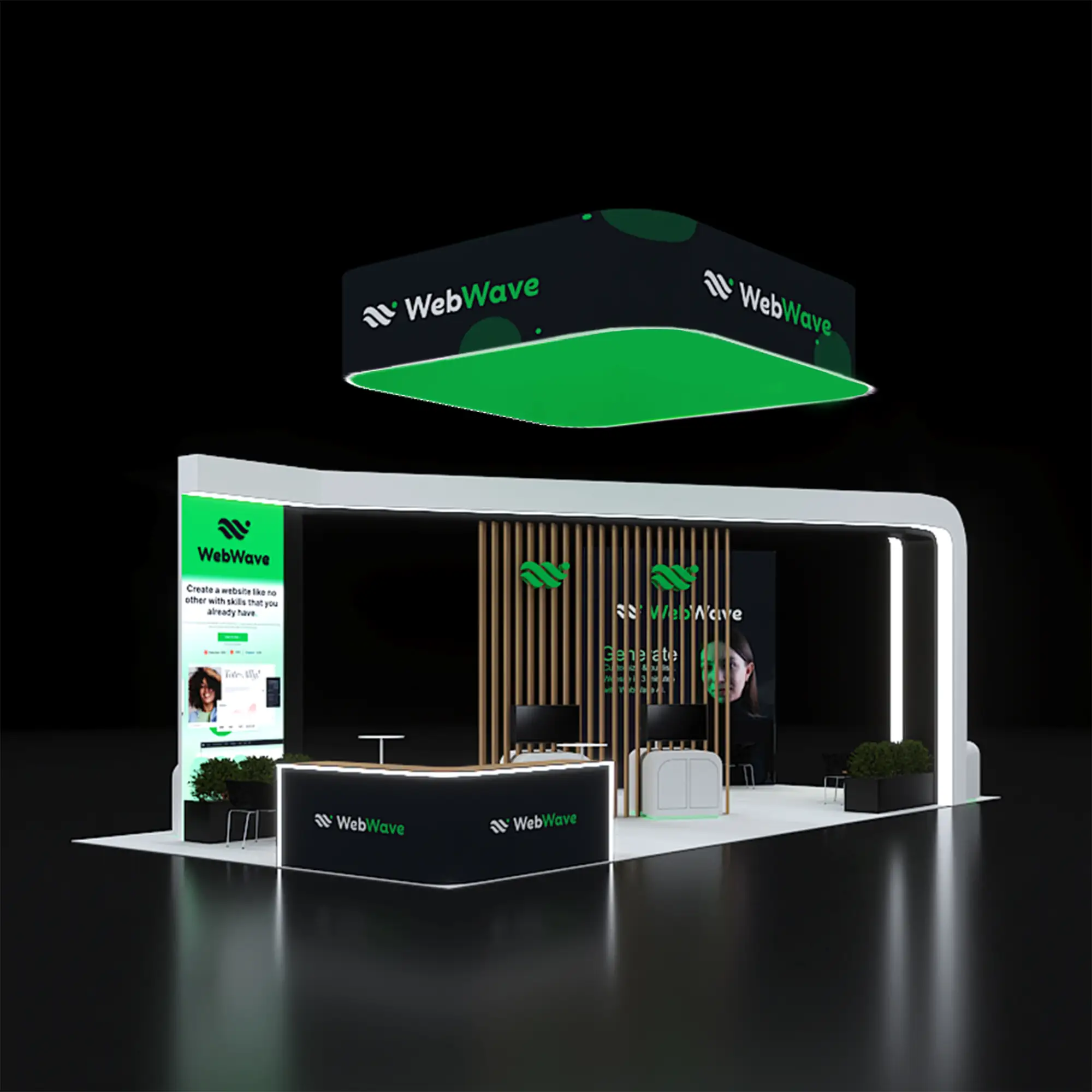
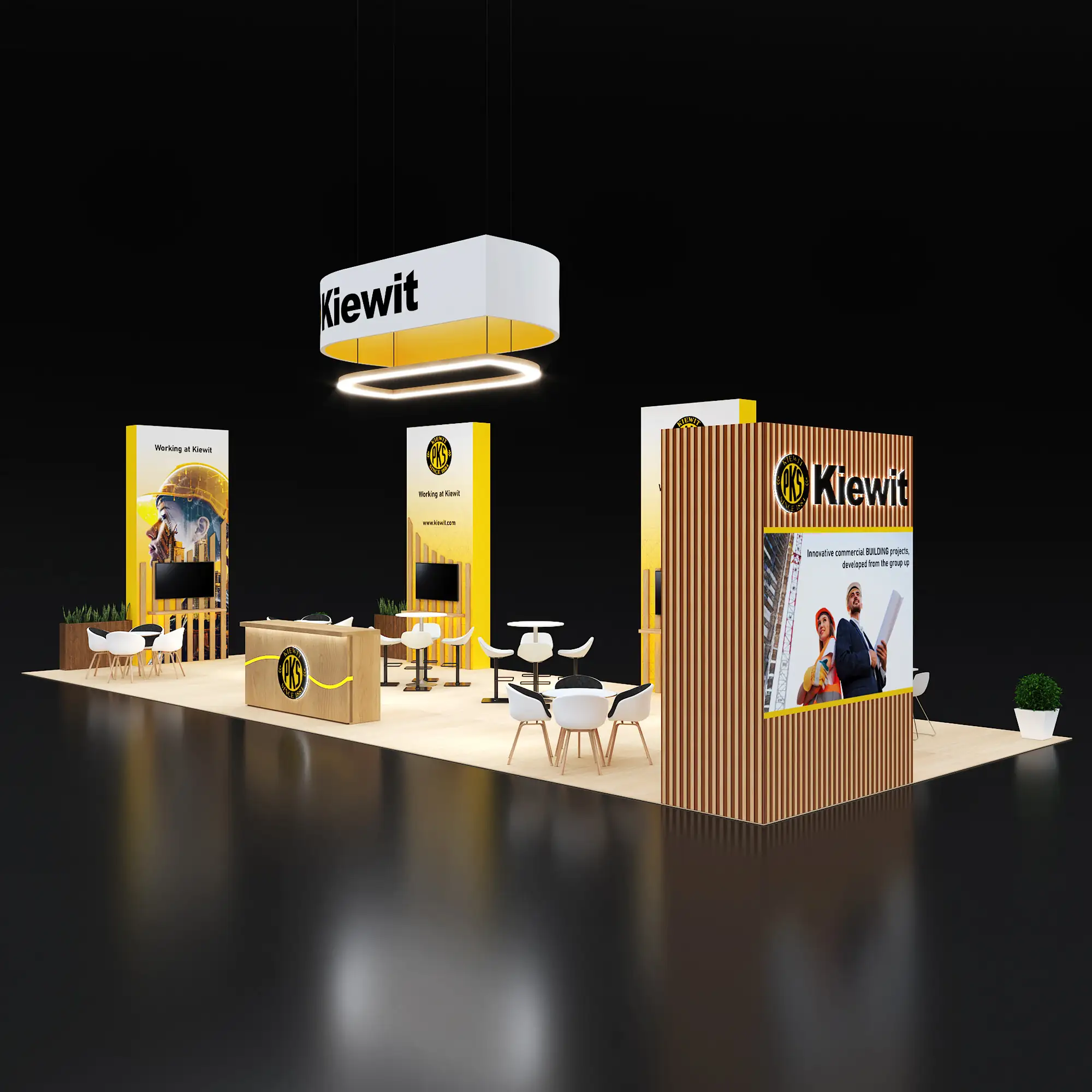
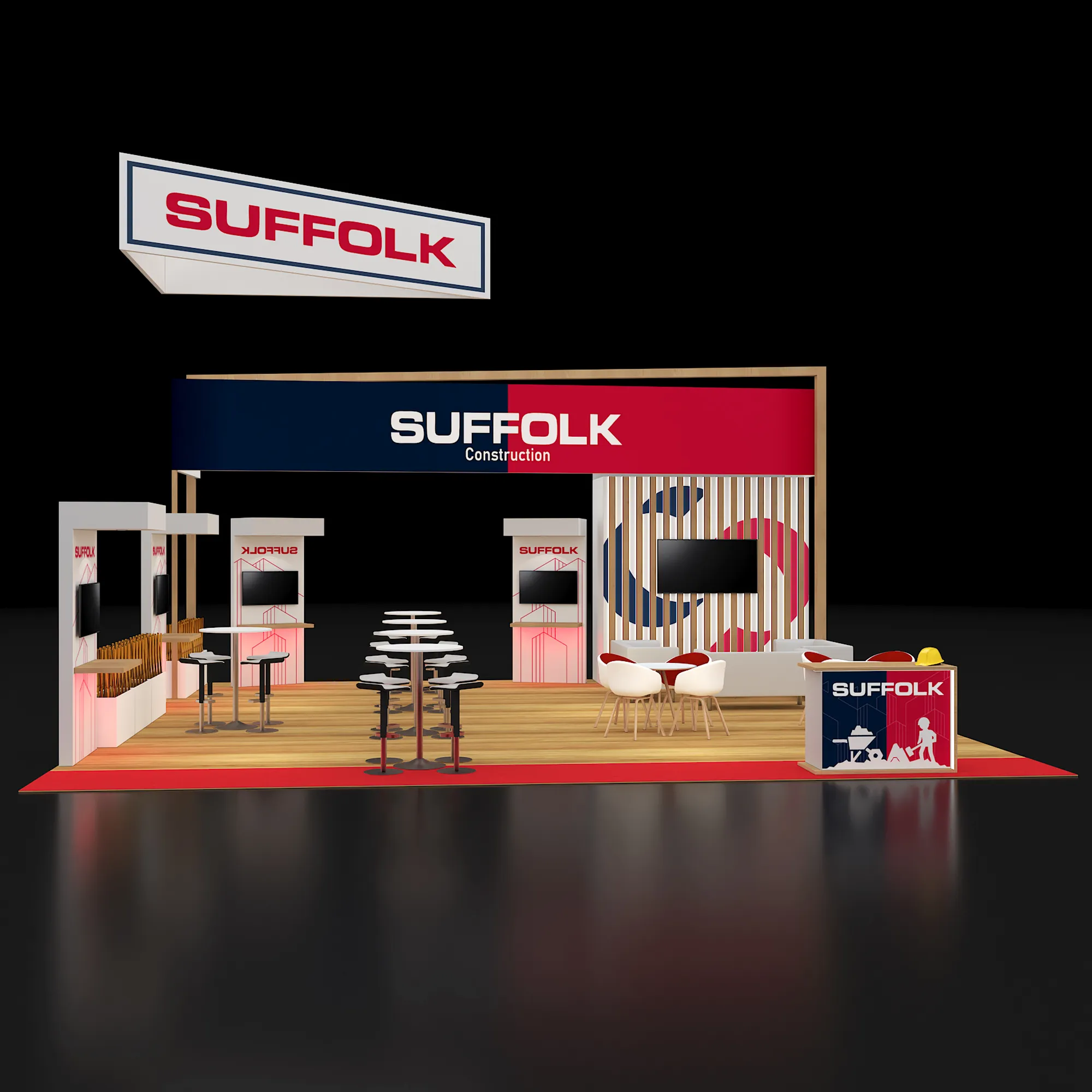
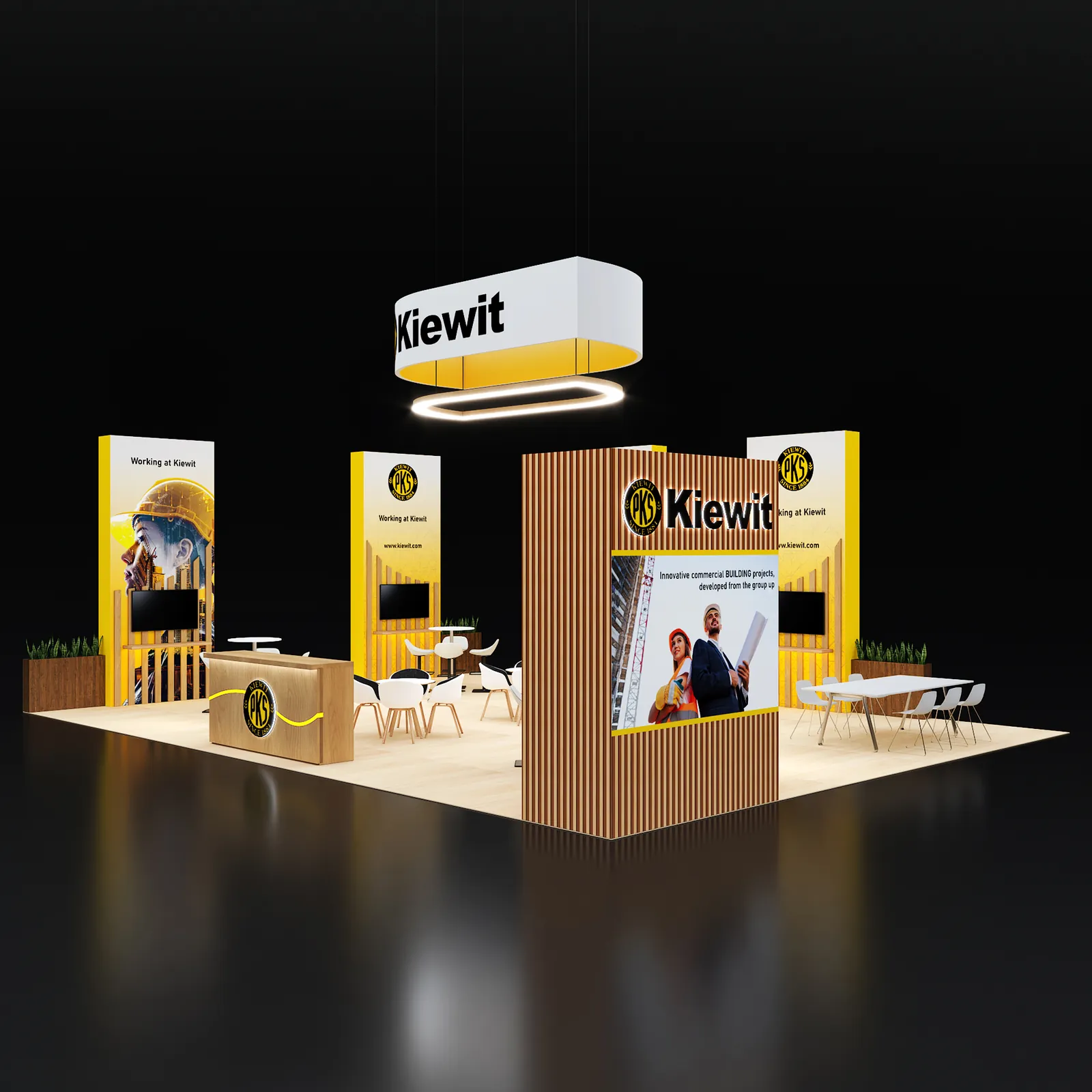
Every project below shipped on one quoted number and matched its photo proof on the floor — security software, analytics, consumer brands, inline booths through 30×30 islands. Your Salt Lake City exhibit comes out of this same inventory, from this same build team. Click any project for a closer look.
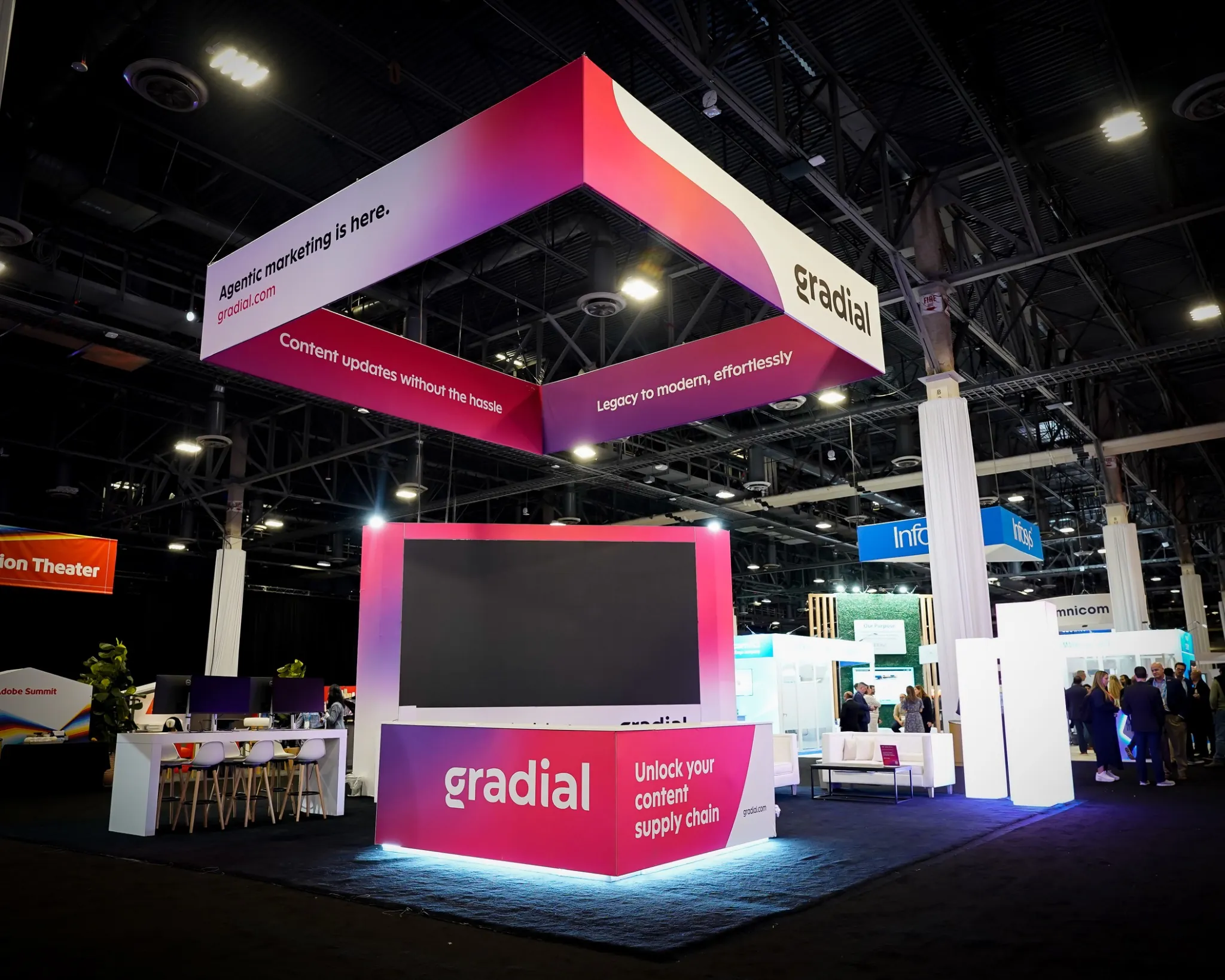
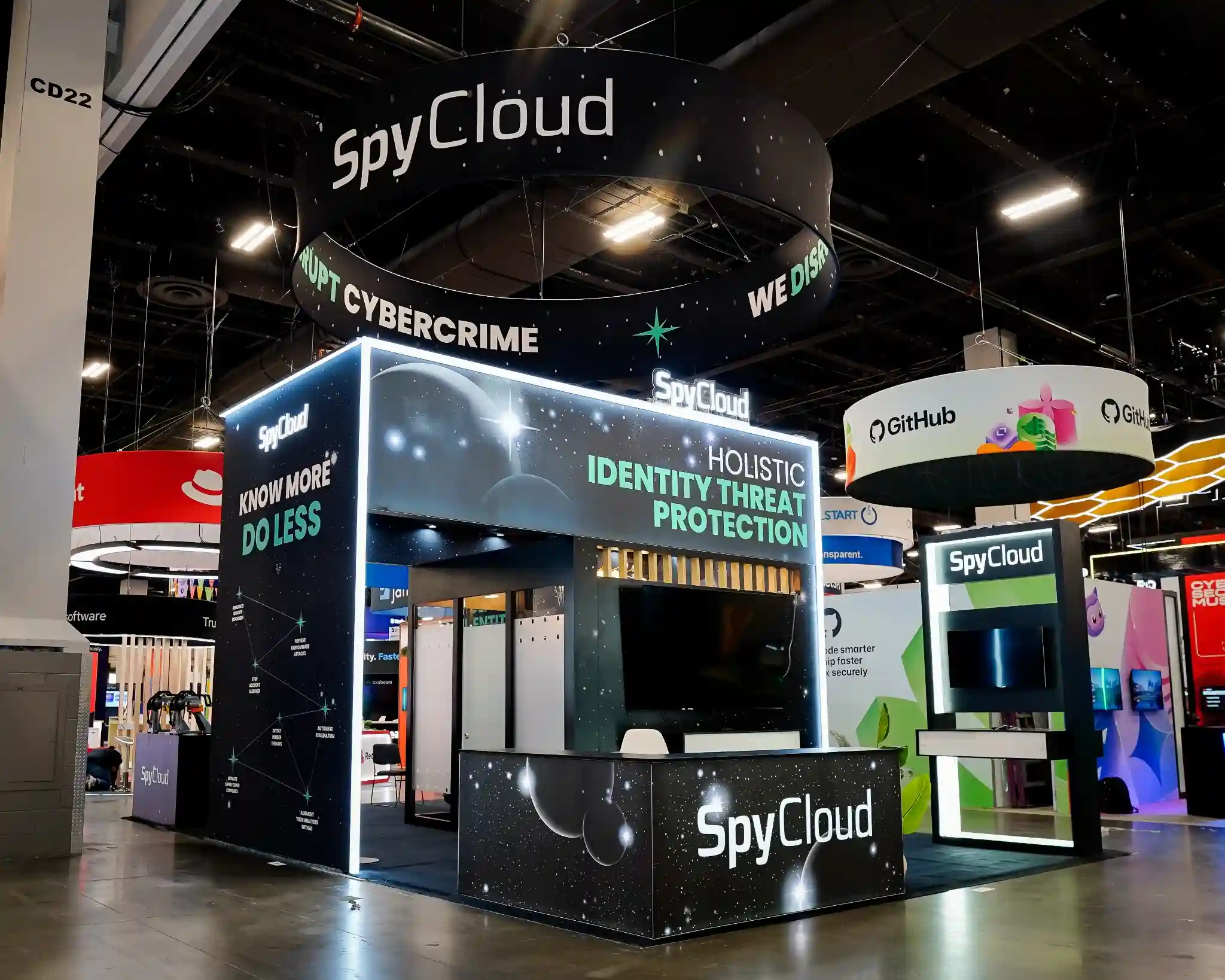


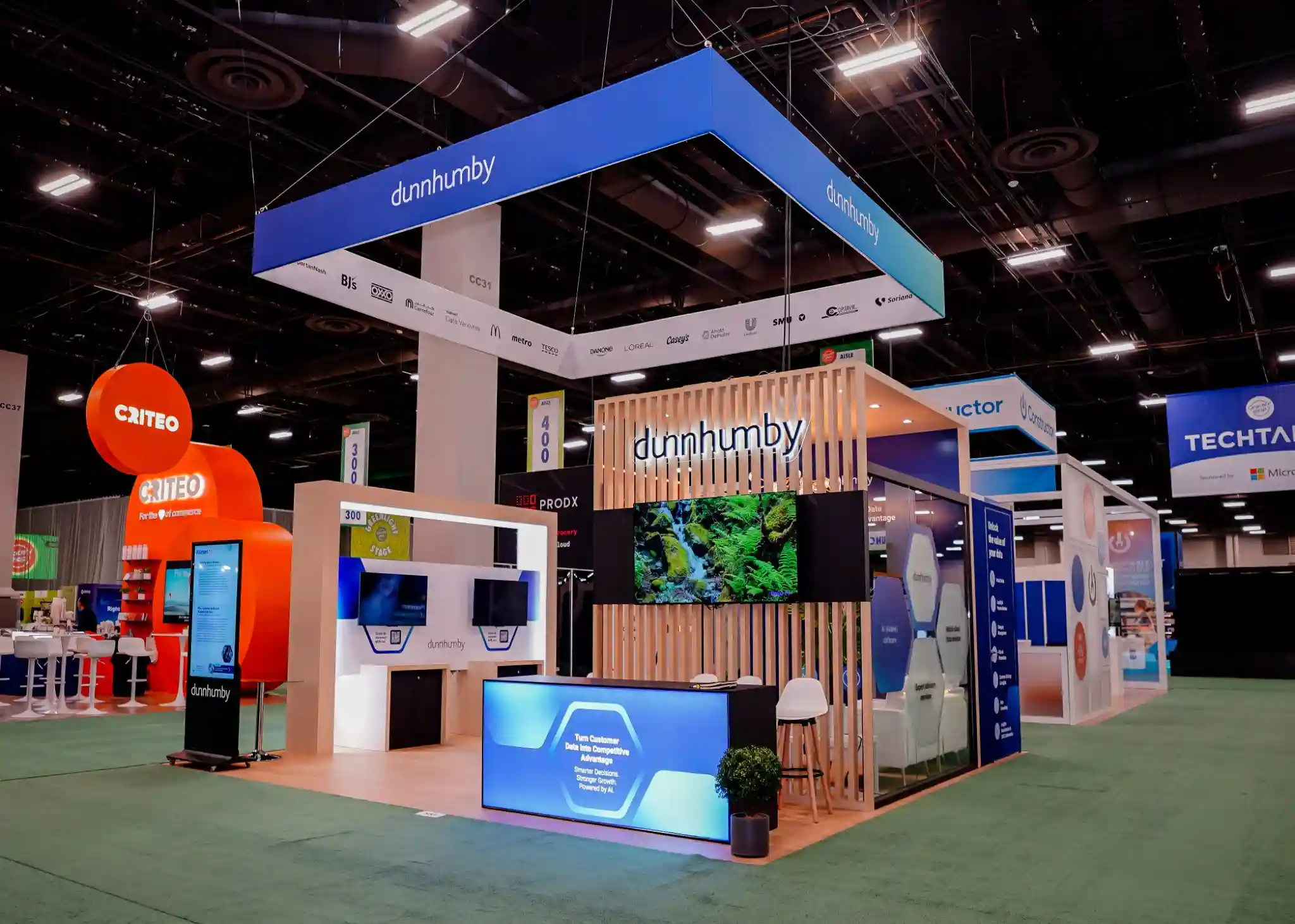
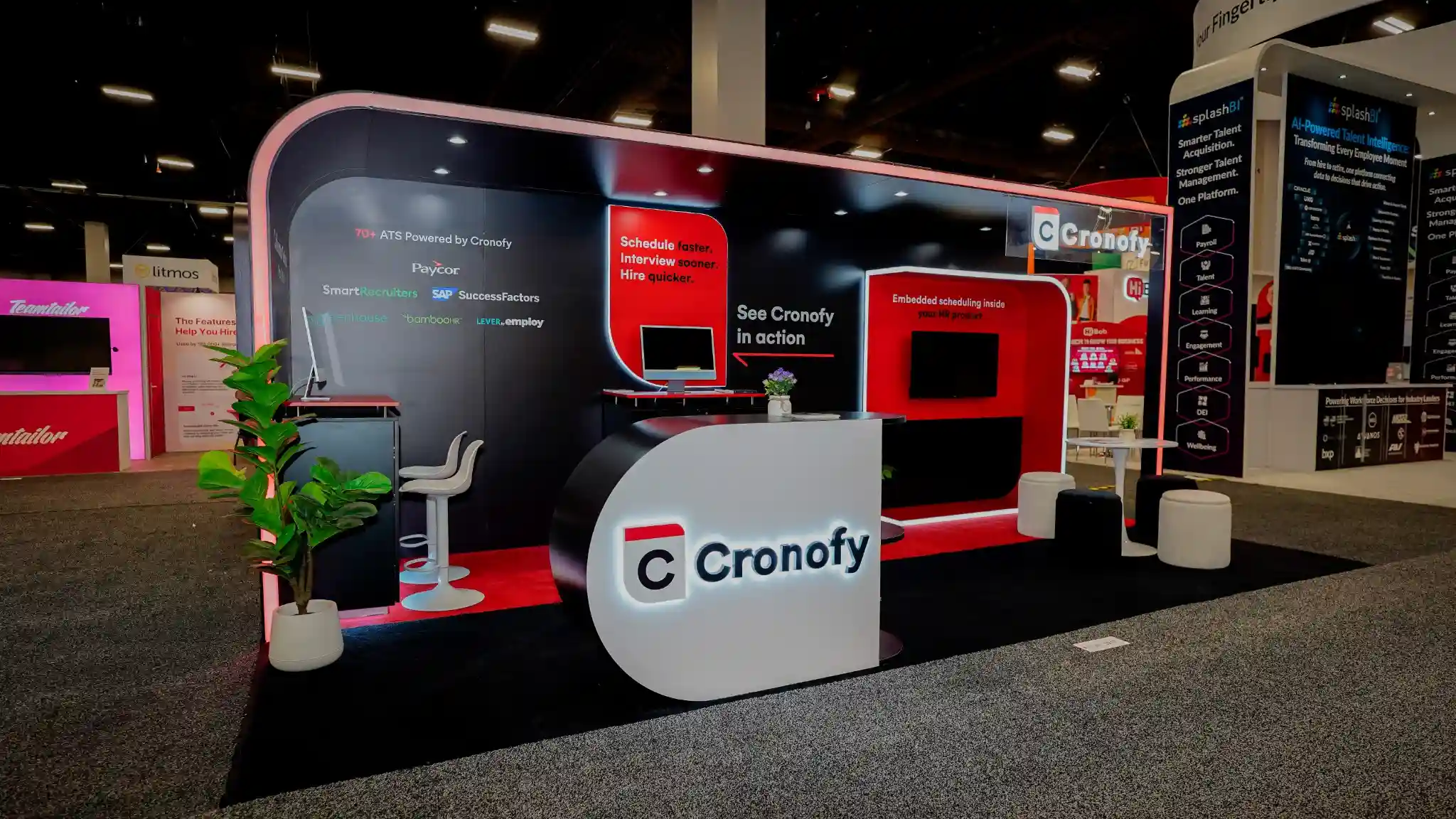

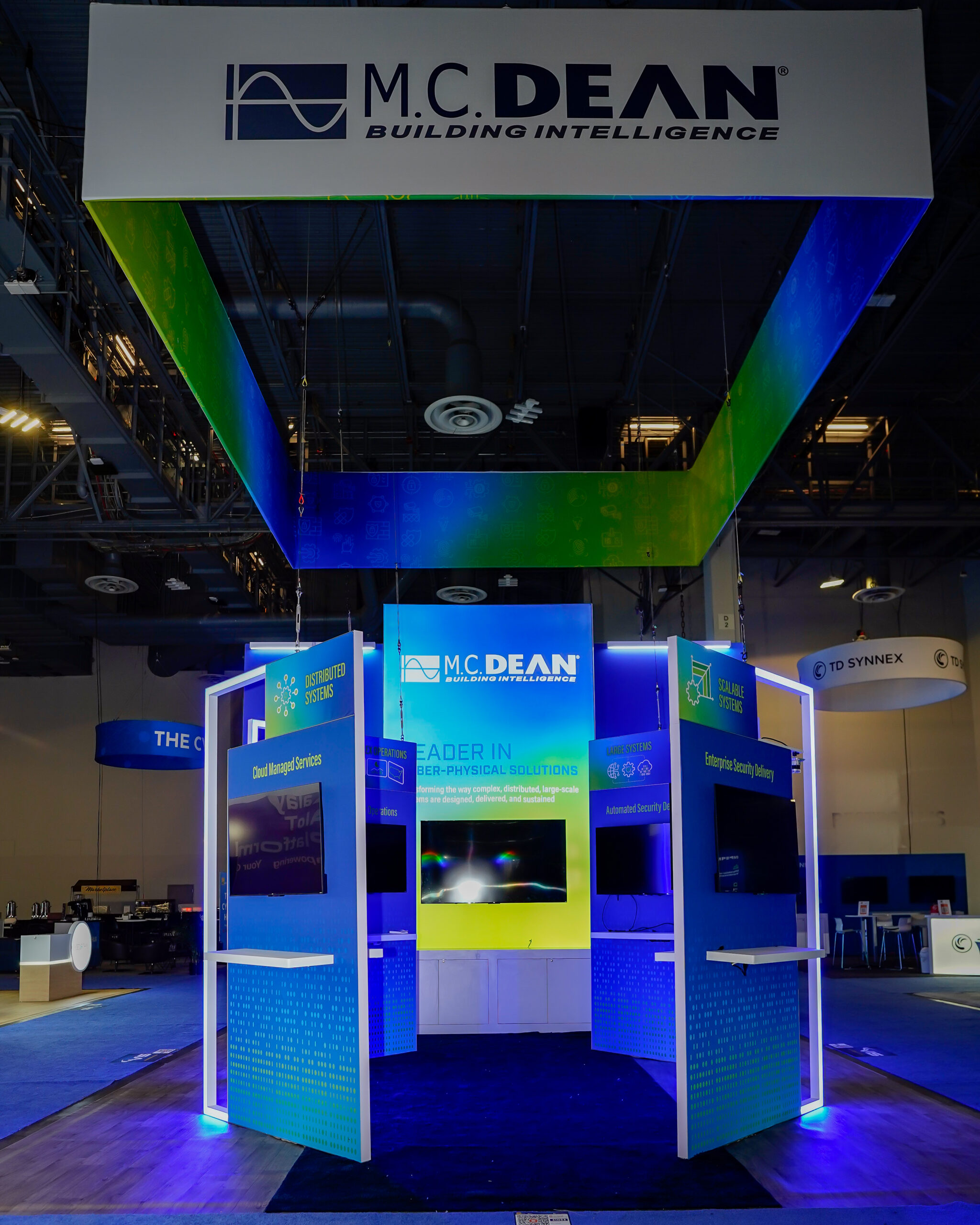
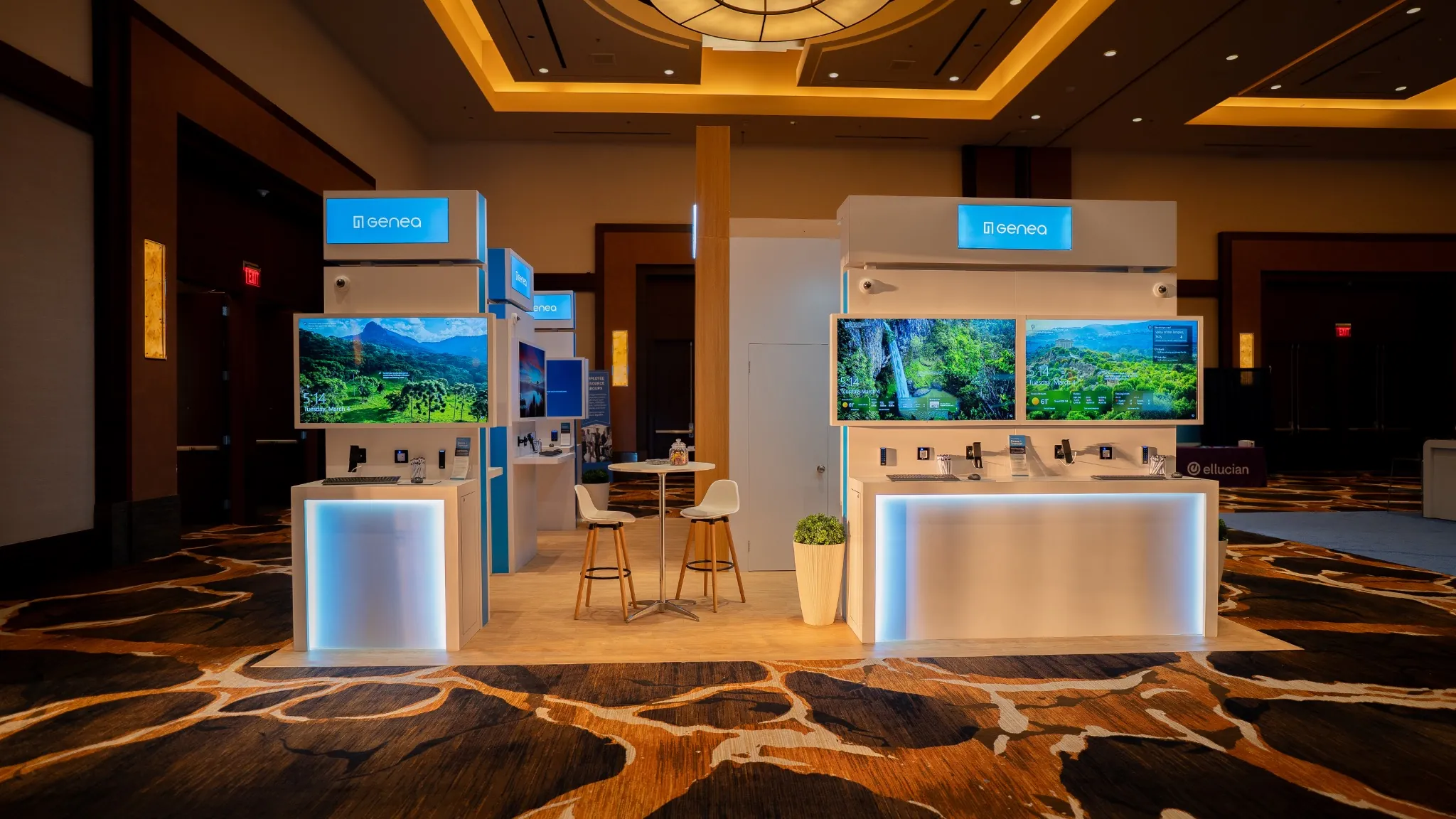


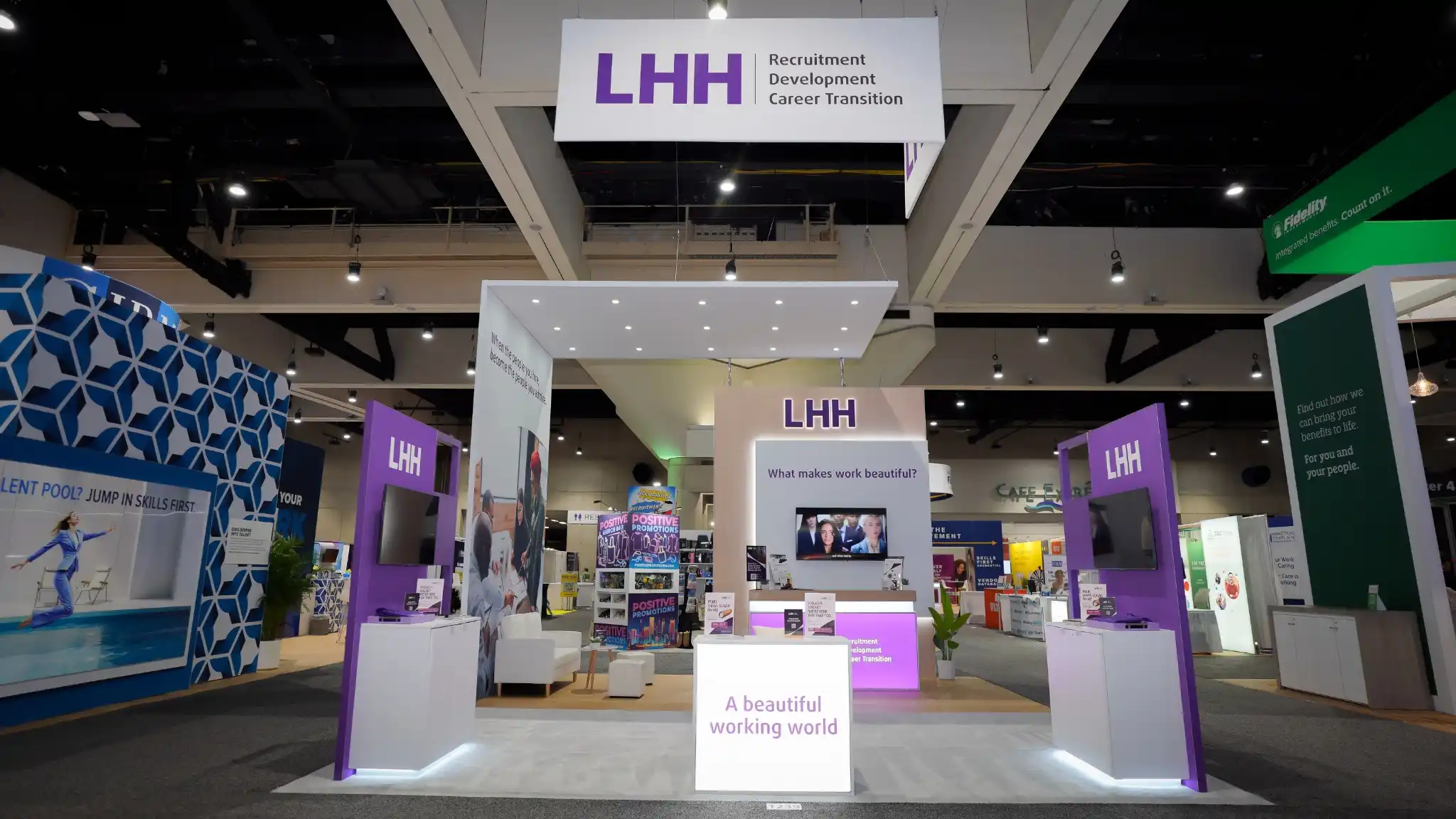
Curious what sat behind a build — the brief, the budget, and how the show went? Teramind, Appdome, Afresh, WillowTree, Yuna, LHH and Genea each tell it in the case study hub.


A RootsTech attendee has walked a hundred hobby stalls; a MINEXCHANGE engineer has stood in front of machinery worth more than your whole program. Both notice sloppy seams immediately. Pure Exhibits fabricates every exhibit in-house, stands it up completely in the shop, photographs it for your sign-off, then crates it so the install crew at the Salt Palace re-assembles a known quantity in the fewest possible labor hours. Fortune 500 teams and first-time exhibitors run the same playbook with us across 200+ events a year nationwide, all on one contractual number.
“The prospect of managing all of the details with big trade shows is daunting to say the least. But the Pure Exhibits team made it easy… If you are looking for a real partner that you can count on, then I recommend you talk with Utsav and his team.”
Footprint sets nearly every downstream cost: the hundredweight on the drayage bill, the labor hours, the rigging call for anything hung under the Salt Palace’s 30-foot hall ceilings. Utah’s labor latitude tempts teams into oversizing — a booth your staff can legally help set is not a booth they should spend show week setting. Pick a size below and the fixed price comes with it.
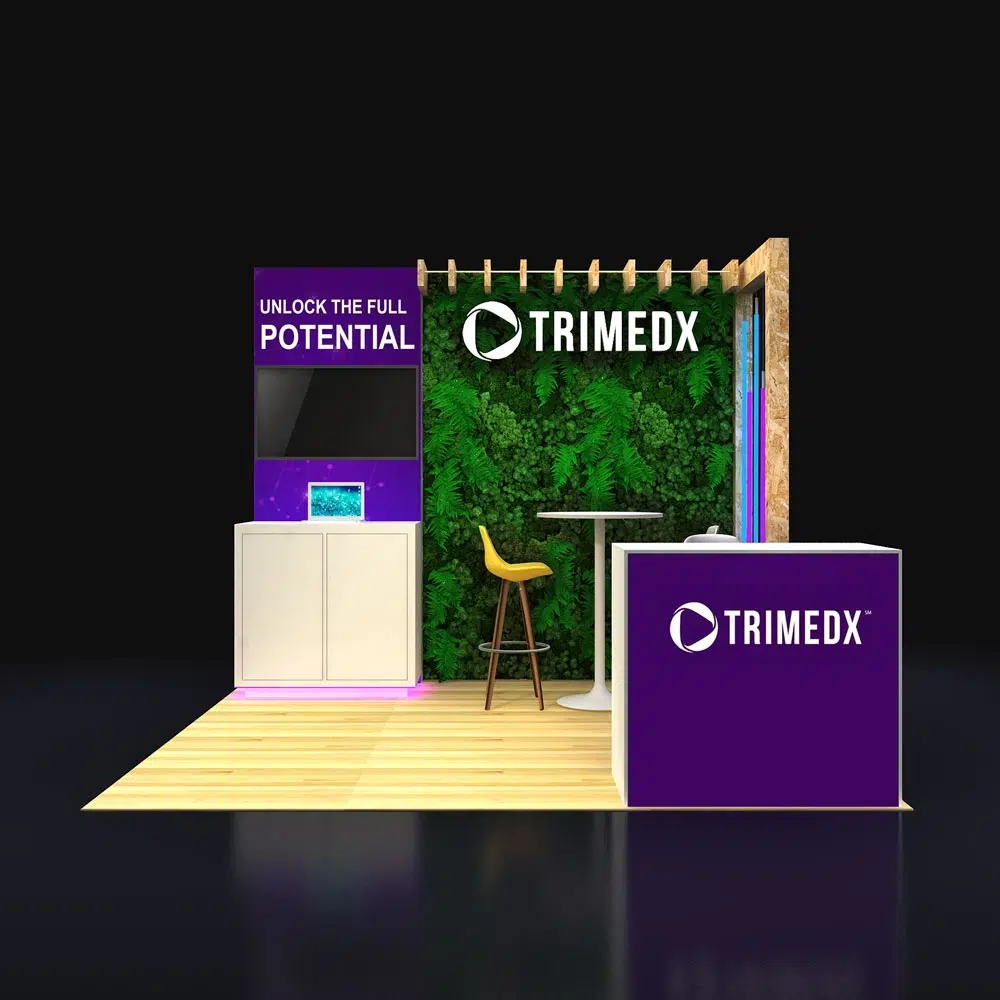
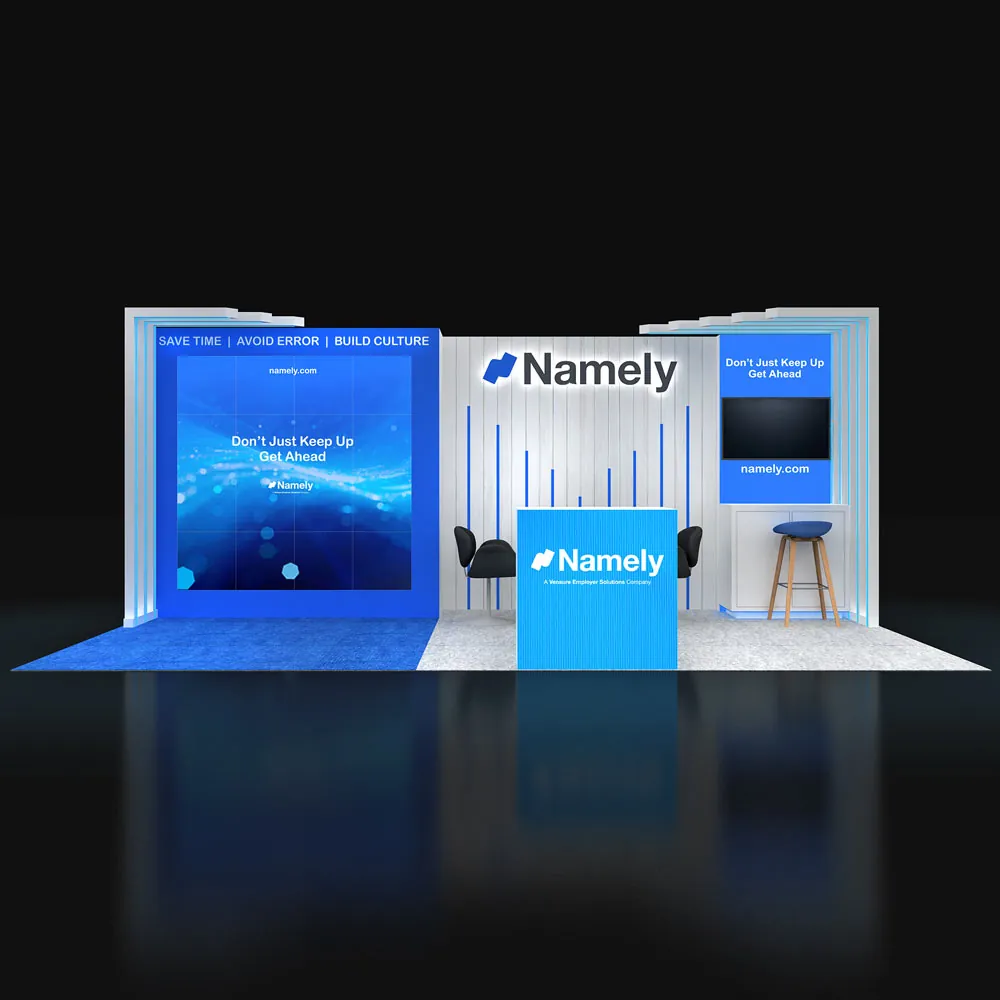
“Since being with SpyCloud, Pure Exhibits has exceeded our expectations at every turn. They truly understand our brand and needs, from starting with a 10×20 booth to maximizing our presence with a 20×30 including a meeting space and four demo stations! Pure Exhibits has been with us every step of the way. They have helped us create a commanding presence on any expo floor that authentically represents who we are. It is a thrill to work with them and see what’s next on our journey. I highly recommend them.”
Torn between two sizes? Send the show and your space number — we’ll tell you which one that floor plan actually rewards.
Exhibit quotes tend to arrive as opening bids that grow between signature and closeout. These are finishing numbers — the figure on the contract is the figure on the final invoice, at the Salt Palace or anywhere else in Utah. Take them into your budget meeting and hold us to them.
| Footprint | Area | Fixed price | Typical use |
|---|---|---|---|
| 10×10 | 100 sq ft | $13,000 – $15,500 | Inline. A first Salt Palace outing, one sharp message. |
| 10×20 | 200 sq ft | $20,000 – $24,000 | Inline. Two live demos and a place to sit a buyer down. |
| 20×20 | 400 sq ft | $31,000 – $35,000 | Island. Open to all four aisles. |
| 20×30 | 600 sq ft | $33,000 – $38,500 | Island. Adds a closed meeting room. |
| 20×40 | 800 sq ft | $38,500 – $49,500 | Island. Zoned demo, briefing, and hospitality. |
| 20×50 | 1,000 sq ft | $44,000 – $55,000 | Island. A product wall at showroom length. |
| 30×30 | 900 sq ft | $44,000 – $55,000 | Island. Center structure, theater seating. |
| 30×40 | 1,200 sq ft | $60,500 – $71,500 | Island. Flagship, double-deck capable. |
Four costs at the Salt Palace go to the show or the building no matter who builds your booth: the exhibit space itself, electrical service, drayage — material handling billed per hundredweight (CWT) by the show’s general contractor, with crates routed through its advance warehouse two to three weeks ahead — and rigging for anything hung overhead, which runs through the venue’s licensed contractors. Salt Lake’s rates sit below most western convention markets, which is exactly why nobody warns you about them. We can’t make those costs ours, so we do the next best thing: estimate each one against your booth’s real crated weight and plan, before you commit to anything.
Payment terms: 50% to open design and production, the balance 30 days ahead of the show — the full cost picture in writing from the first quote.
Cheap drayage does not mean free drayage. Exhibitors treat Salt Lake as the easy stop on the circuit, skip the weight math, and then the paper arrives: a CWT true-up because nobody weighed the crates, an overtime bill because the truck sat out a snow closure and missed the window, a missed advance-warehouse date, a reprint, a “small” change order. Here is the same 20×20 island in this market, quoted two different ways:
Certainty costs less than surprises. One contractual figure from design through dismantle, the show-billed items forecast beside it — and a closeout your finance team approves without a single question.
515,000 square feet of exhibit space under 30-foot ceilings, forty loading docks, a downtown grid two blocks off I-15, and a state whose labor law gives exhibitors real latitude. Salt Lake is genuinely one of the easier convention cities in the country — which is why its few hard rules catch so many teams off guard. We plan for the rules, not the reputation.
The fixed price covers design through dismantle, with the show-billed lines — space, electrical, drayage, rigging — forecast right beside it. Your budget is complete on day one, not reconstructed after closeout.
Utah’s right-to-work law means your own full-time staff can generally do more of the setup here than in Chicago or New York — each show’s exhibitor manual still sets the specifics. What the law doesn’t change: overhead rigging and hall electrical run through licensed contractors, and an island build is still skilled work on a deadline. We staff the install so your team isn’t spending show week holding a wrench.
I-15 and I-80 cross two blocks from the hall, which makes Salt Lake an easy freight city — from April to November. For the January-through-March shows we route through the contractor’s advance warehouse two to three weeks early and build storm-buffer days into the carrier plan, so a closed pass never becomes your empty booth.
Your booth is fully assembled in our shop — every wall, light, and bracket — photographed for your approval, then crated. What the crew unpacks at the Salt Palace is a booth that has already worked once.
The Salt Palace anchors downtown; the Mountain America Expo Center sits down I-15 in Sandy with 243,000 square feet of contiguous hall and its own dock pattern. Consumer shows book Sandy, conventions book downtown, and a freight plan written for the wrong building fails at the first turn. We quote against the building on your contract.
The invoice matches the PO to the dollar. No overtime line you didn’t expect, no drayage true-up weeks later — the project ends the day the show does.
Quotes within 24 hours — sooner if your Salt Lake City show date is close.
Renders sell booths; video proves them. Walk finished builds from a 10×10 up to 40×40 flagship scale and judge the finish for yourself — the same standard every Pure Exhibits rental ships with, whether it’s bound for RootsTech, MINEXCHANGE, or FanX.
 ▶
▶30′×60′ Custom Rental Booth Build
 ▶
▶40′×40′ Custom Rental Exhibit
 ▶
▶30′×30′ Custom Exhibit
 ▶
▶30′×30′ Custom Exhibit
 ▶
▶30′×30′ Custom Exhibit Rental
 ▶
▶20′×30′ Custom Exhibit Booth
Salt Lake floors run the full spectrum in a single quarter — genealogy hobbyists at RootsTech, mining engineers at MINEXCHANGE, costumed crowds at FanX. What never changes is the working question behind every design decision: who stops, what do they touch, and what does your team leave the hall holding?
Demo stations wired for live product — power, network, and sightlines planned before aesthetics
Openings set for how the aisles actually feed your space, not how the render looks
Your core message legible before an attendee decides whether to slow down
Standing-crowd capacity that doesn’t choke the aisle behind it
Height and lighting spent where the hall demands it — and nowhere else
Layouts built from your lead and meeting targets, not a template library
Private meeting space that gets used between sessions
Modular bones that re-skin for next season’s show instead of starting over
Space confirmed late, a vendor backed out, the launch moved up — it happens every season. Our rush track builds, stages, and ships a complete exhibit in 24 business days, at the same fixed price. ✓ Rush rentals, 24 business days
Quotes have a way of growing between signature and closeout. Ours can’t — the contract is the price, and the show-billed lines are forecast next to it before you commit. ✓ One contractual number
A designer, a fabricator, a freight broker, a labor company, and a graphics shop — each pointing at the others when something slips. Here it’s one team and one phone number from sketch to teardown. ✓ Single-team delivery
Teams read “right-to-work” and “low drayage” and stop planning — then a January storm eats the freight window, or the crates arrive after the advance-warehouse date. The rules here are few, but they’re real. ✓ Planned like a hard market
Somebody told a client, a CMO, or a board what this booth would cost and when it would be standing — usually the event manager. Our whole process exists to keep your word for you at the Salt Palace — and to hand you the paper trail that proves it, stage by stage.
One conversation about your show, space number, and goals. You leave it knowing what your budget genuinely buys in this market — including the show-billed costs nobody else brings up until the invoices arrive.
3D concepts within 3–5 business days, designed around your actual placement and sightlines — then revised until they’re right. Revisions are part of the process, not a change order.
The booth goes up completely in our shop — walls, lighting, graphics, screens — and you approve photographs of the real thing. Nothing is crated for Utah until you’ve seen it standing.
Final QC, then we run the logistics for you: carrier scheduling on I-15 or I-80, the advance-warehouse window, dock targets at the Salt Palace’s forty docks, and the venue paperwork — with storm-buffer days built in for the winter shows. Your team never talks to a dispatcher.
Because the booth has already stood once, the crew is re-assembling a known quantity — every panel labeled, every connection proven. Fewer billed hours, no improvising on the floor.
A screen misbehaves, a graphic needs swapping, the client wants a change before day two — you call one number and it’s handled while the hall is still open.
Teardown, crating, and outbound freight are ours. Your team walks out when the show closes; the closeout invoice that follows matches the contract you signed.
This market runs on two buildings fifteen minutes apart on I-15 — a downtown convention campus and a consumer-show hall in Sandy — plus the hotel ballrooms that catch the corporate calendar. If your program travels the West, the same fixed-price model runs in Denver, Phoenix, San Francisco, and Seattle.
The anchor floor for RootsTech, FanX, and MINEXCHANGE, under 30-foot ceilings with the largest single block running 130,300 square feet. Forty docks move freight fast when the paperwork is right — and stack trucks when it isn’t. We arrive with the paperwork right.
Where keynote-plus-expo events put receptions, posters, and sponsor tables — a ballroom divisible ten ways and meeting rooms in seventy configurations. A booth built for a hall doesn’t always fit a ballroom door, so we size for the actual route in.
Operated by Legends Global, a block off Temple Square, with the airport a seven-mile TRAX ride away. Attendees walk in from every downtown hotel — which keeps your staff on the floor instead of in shuttles.
The consumer-show workhorse down I-15: the Sportsmen’s Expo, the Auto Expo, the Boat Show, and both home shows run here, with 1,700 free parking spaces and TRAX across the street. Different building, different dock rhythm — we quote it as its own venue, not a footnote.
Corporate summits and user conferences book the Grand America and Little America ballrooms when they outgrow a meeting room but not a convention hall. Freight elevators and overnight windows replace docks — the build has to be engineered for both.
Product launches, dealer meetings, and company events run across the Wasatch Front on rooms that were never designed for exhibits. Same fixed-price model, same photo-approved delivery, right-sized for the space and its load-in.
Dentists in January, the tech industry and mining engineers in February, genealogists and sportsmen in March, wellness in August, fandom in September — with the Sandy consumer calendar running underneath all year. Each floor has its own rules of engagement. Pure Exhibits designs for the specific show you’re walking into, not a generic exhibit hall.
Every show date implies a start date. Count backwards from these anchors and the runway each one needs becomes obvious — and if your show isn’t on the list, we’ll pull its exhibitor manual before we quote.
| Show | When | Venue | Start planning |
|---|---|---|---|
| UDA Convention | January | Salt Palace Convention Center | 5 months |
| Silicon Slopes Summit | February | Salt Palace + downtown venues | 5 months |
| RootsTech | March | Salt Palace Convention Center | 5 months |
| International Sportsmen’s Expo | March | Mountain America Expo Center | 4 months |
| USANA Live Global Convention | August | Salt Palace Convention Center | 4 months |
| FanX Salt Lake Comic Convention | September | Salt Palace Convention Center | 4 months |
The first-quarter shows get five months, not four — a January or February open parks design approvals and fabrication squarely across the holiday shutdowns, and winter freight into Utah wants buffer days that a compressed schedule doesn’t have. Plan the runway and these shows are routine; miss it and the calendar does the negotiating. Already compressed? The rush track below exists for exactly that.
Vendor fell through before RootsTech? Space came through late for FanX? Tell us the date — we’ll tell you what’s buildable.
For most exhibitors here the math favors renting, and the local reason is the calendar: Salt Lake’s show year is front-loaded — dental in January, tech and mining in February, genealogy and sportsmen in March — then quiet until late summer. An owned booth spends most of the year in paid storage and still owes drayage, labor, and show services every time it exhibits. A rental resets the design each cycle and drops the ownership overhead entirely.
| Factor | Renting | Owning |
|---|---|---|
| Cash outlay | One predictable fee per show | Large capital purchase upfront |
| Between shows | Nothing to store or insure | Warehousing billed through the quiet months |
| Wear and repairs | Our problem, not yours | Refurbishment on your budget |
| Design refresh | New look every cycle | Rebuild costs to change anything |
| Scaling | 10×10 this year, island next | Locked to what you bought |
| Show logistics | Bundled into the rental | Sourced separately each time |
Ownership pencils out only for teams running one large footprint at many shows a year — and even those teams often rent for a one-off Salt Palace appearance rather than freight an owned property over the mountains in winter.
Our published fixed pricing runs $13,000–$15,500 for a 10×10 up to $60,500–$71,500 for a 30×40 — and that figure covers design, fabrication, graphics, freight, I&D labor coordination, and project management, contractually. Separately, every exhibitor at the Salt Palace is billed by the show for space, electrical, drayage, and rigging; we forecast those four lines against your specific booth before you sign, so the complete cost of exhibiting is visible up front.
Drayage is charged per hundredweight (CWT) by the show’s general contractor and billed by the show, not by us — GES handles the contractor role at many major Salt Lake events. The good news: Salt Lake’s rates run below most major western convention markets. The catch: it’s still weight math, crates route through the contractor’s advance warehouse two to three weeks ahead of move-in, and moves outside standard hours draw overtime rates — a real risk in storm season. We estimate drayage line by line from your booth’s actual crated weight; because our booths are engineered light and crated tight, the number is usually smaller than exhibitors fear.
Half on signing, which opens design and production; the other half 30 days before the show. Nothing follows — no true-ups, no post-show reconciliation invoice. To see how the fixed model works size by size, browse the priced rental exhibits.
Yes — and the Salt Lake calendar rewards it, because the first quarter alone can hand you the UDA Convention in January, Silicon Slopes Summit and MINEXCHANGE in February, and RootsTech in March without leaving downtown. Booking a program locks pricing across the run, holds your design and graphics between shows, and puts one PM across the whole sequence instead of four separate projects.
Both, and that’s the point. We fabricate every exhibit ourselves — structures, graphics, finishes — then deliver it on a rental model. You get build-shop quality without buying, storing, or maintaining anything, and every booth is stood up and tested in our shop before it’s crated for the Salt Palace.
Three things, honestly. The price is contractual — the figure you sign is the figure you pay, with the show-billed costs forecast beside it rather than discovered later. The booth is proven before it ships — fully assembled in our shop and photo-approved by you, so the install crew re-assembles a known quantity in fewer billed hours. And one project manager owns everything from sketch to closeout, including the advance-warehouse windows and the winter freight plan that Salt Lake’s first-quarter shows quietly require.
The structure, custom graphics, flooring, lighting, furniture, and AV if the design calls for it — plus freight to the venue, I&D labor coordination, show-services filings, and a dedicated PM. One quote, one line on your budget. The rental packages page breaks down scope in detail.
You pick or commission a design; we build it, stand it up in the shop, and send you photographs to approve. Then we crate it, weigh it, route it through the show’s advance warehouse to a dock target at the Salt Palace’s forty docks, manage the install, stay on call through the show, and handle dismantle and return freight. Your involvement peaks at the design stage — by show week, your only job is working the booth.
One, from kickoff to closeout — the same person who priced your booth answers the phone during move-in. No handoffs between a sales rep, a producer, and a site lead. If you’d like to start there, talk to a project manager before you commit to anything.
Yes — your PM is reachable through move-in, show days, and dismantle. A flickering screen or a last-minute graphic swap gets handled while the hall is open, not logged in a ticket system for next week.
Yes — drayage, electrical, labor, and rigging are each estimated as their own line in the quote, calculated from your booth’s actual crated weight and power plan. Those items remain billed by the show, but the estimate is accurate enough that your finance team can budget them as real numbers, not placeholders.
The working set is — counters, tables, seating, and lockable storage sized to the design. If your brand standard calls for specific premium pieces, we source and include them in the same fixed number rather than tacking on a rental line later.
Three things set this building apart. Labor: Utah is a right-to-work state, so your own full-time staff generally have more setup latitude than at Chicago or New York venues — each show’s exhibitor manual sets the specifics, and overhead rigging and hall electrical still run through licensed contractors. Freight: crates route through the show contractor’s advance warehouse two to three weeks ahead, and the January-through-March shows deserve storm-buffer days on top. Drayage: billed per hundredweight by the show’s general contractor — lower rates than most western markets, but still weight math worth doing before you pick a booth. All three are manageable if the booth was designed with them in mind, which is precisely how ours are designed. First show here? Start with a planning call — it costs nothing and saves plenty.
Yes. We coordinate the install and dismantle crews and, more importantly, we hand them a booth engineered to install fast — pre-assembled once, labeled, and documented. Utah’s rules run friendlier than the coastal halls’, but “your staff may legally help” is not a labor plan for an island build; the billed hours still decide the budget, and cutting them is where we earn the fee.
Your booth ships as one coordinated freight move to the show’s advance warehouse inside its dated window, then to a dock target at the venue. Trucks reach downtown on I-15, which runs along the city’s west edge, or I-80, the east-west transcontinental route — and in winter both cross mountain weather, so we build buffer days into the carrier plan for the first-quarter shows. We book the carrier, hit the windows, and estimate the CWT drayage from real crate weights in your quote.
The Mountain America Expo Center in Sandy — 243,000 square feet of contiguous hall down I-15, where the consumer calendar runs — plus the Grand America and Little America ballrooms and hotel and corporate venues across the Wasatch Front. The model doesn’t change with the address: fixed price, photo-approved prebuild, coordinated install. Only the freight plan changes, because a hotel ballroom has a freight elevator where a convention hall has forty docks.
Yes — the Salt Palace’s two biggest weeks are regular weeks on our calendar, and they make an instructive pair: RootsTech in March is a conference crowd at consumer scale whose runway crosses the holiday shutdowns, and FanX in September is pure consumer density where durability and queue design decide the week. Fixed-price rentals run from 10×10 inlines to islands, every one pre-staged and photo-approved. Booth decisions for March belong in the fall — or if you’re already late, the 24-business-day rush track exists for exactly this.
That’s the whole job. We start from your brand guidelines and show objectives, design in 3D until you approve, and then — unusually — you approve again from photographs of the physically built booth before it ships. Two sign-offs, zero surprises on the floor.
Everything visible and most of what isn’t: layout, signage, screen count and placement, counters, lighting temperature and intensity, demo stations. The gallery on this page is all rentals — none of them look like they came from the same kit, because the kit is only the skeleton.
Yes — iteration is budgeted into the process, and most teams take two or three revision rounds before final sign-off. What we don’t do is convert your changes into surprise change-order fees; the fixed price already assumes the design will evolve.
All of them, from a 10×10 inline to 30×40+ islands and peninsulas — each configured to its space type’s rules (line-of-sight limits for inlines, height and hanging-sign allowances for islands, and the venue’s rigging coordination for anything hung under the Salt Palace’s 30-foot ceilings) and prebuilt in-house before shipping.
The structure is the least memorable part of any booth — what people remember is what happened inside it. At RootsTech that means a station where someone found a great-grandmother; at MINEXCHANGE, a demo an engineer could argue with; at FanX, a photo moment worth the queue. We spend the design budget on those moments, which is why our rentals get mistaken for owned customs.
Eight to twelve weeks covers most Salt Lake shows comfortably — design, approvals, graphics, prebuild, and the venue paperwork all fit. The exception is the first quarter: for the January-through-March shows, start around five months out, because design and fabrication cross the holiday shutdowns and winter freight wants buffer days a tight schedule can’t give it.
Behind schedule already? The rush track compresses the whole build to 24 business days without touching the price or skipping the photo proof.
If you can tell it’s a rental from the aisle, we’ve failed. The underlying structure is modular, but everything an attendee actually perceives — graphics, layout, lighting, finishes, furniture — is produced for your brand and your show. Book a design consultation and judge the difference from the portfolio yourself.
Send the show and your space number. Within 24 hours you’ll have design directions, one contractual figure, and the show-billed charges forecast beside it — the whole cost of exhibiting in Salt Lake City on a single page anyone can approve.