
The flooring is considered the least understood component in the construction of any trade show booth. It is what your visitors tread as soon as they step into your booth, and which forms the boundary between your branded environment and the bare concrete floor of the trade show venue. Good flooring can enhance all your booth construction efforts, while poor flooring or lack of flooring altogether makes it difficult to appreciate the good efforts made.
In this guide, we explore all the trade show booth flooring options available in 2026, including the types of flooring materials, the cost of each type, whether to use the GSC flooring or bring your own flooring materials, the installation needs, as well as the flooring scenario guide for choosing the correct flooring type.
Flooring decisions interact closely with overall booth design. For the complete exhibit design framework, see the Pure Exhibits trade show booth design guide. For how flooring fits into your overall booth budget, see the Pure Exhibits trade show budget guide.
Why Trade Show Booth Flooring Matters
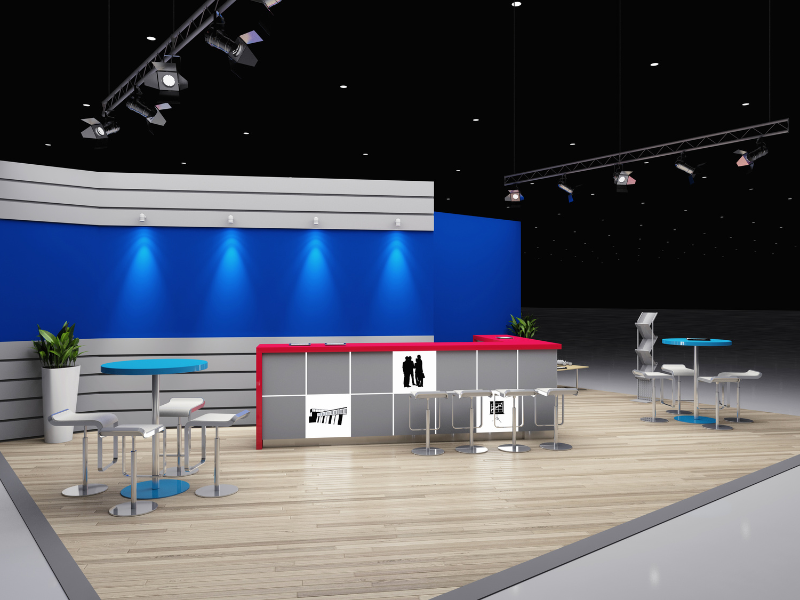
Most convention center exhibit halls have bare concrete floors. Without flooring, your booth has no visual boundary. It blends into the aisle and the neighboring space. With flooring, you create a defined brand environment that visitors consciously step into, a more comfortable standing surface for staff working 8–10 hours per day, and a finishing design element that ties the entire booth aesthetic together.
What Flooring Does for Your Booth
-
Creates a defined perimeter: flooring is the clearest visual boundary separating your exhibit space from the general show floor
-
Improves staff endurance: standing on cushioned foam tile or padded carpet for a full show day is significantly less fatiguing than bare concrete
-
Elevates perceived brand quality: a booth with professional flooring reads as more established and invested than a bare-floor exhibit at the same graphic quality
-
Enables zone differentiation: different flooring materials or colors in different booth zones (hospitality vs. demo vs. reception) create intuitive spatial transitions
-
Supports photography quality: booth photography and video for marketing use look significantly better with defined, intentional flooring vs. exposed concrete
Who Skips Flooring and Why It Costs Them
-
First-time exhibitors underestimating the visual impact of flooring on booth perception
-
Budget-constrained exhibitors who cut flooring first: often a mistake when the savings ($500–$1,500) are small relative to the brand impact loss
-
Exhibitors in corner or perimeter positions who assume the venue carpet is sufficient: it isn’t; venue carpet is generic, worn, and identical across thousands of square feet
Flooring integrates with furniture choices. For furniture planning that complements your flooring decisions, see the Pure Exhibits trade show booth furniture rental guide.
Pure Exhibits provides complete trade show booth flooring options and packages throughout the USA. We serve in locations like Chicago, Dallas, Las Vegas, Orlando, and San Diego. Get a flooring quote today.
The Main Trade Show Booth Flooring Options
Trade Show Flooring Options Comparison
| Flooring Type | Look & Feel | Cost (per sq ft) | Best For | Portability |
|---|---|---|---|---|
| Carpet (standard) | Soft; classic; traditional | $2–$5 GSC; $1–$3 owned | All booth sizes, budget-conscious | Folds flat; lightweight |
| Carpet tile (modular) | Clean grid; easy damage repair | $3–$6 installed | Frequent exhibitors: custom patterns | High: tiles stack flat |
| Foam interlocking tile | Cushioned; modern; matte finish | $1–$3 per tile | Staff comfort; temporary setups | Very high; lightweight |
| Vinyl plank / LVT | Upscale wood or stone look | $4–$8 GSC; $2–$5 owned | Premium booths; hospitality zones | Moderate; planks bundle |
| Raised platform flooring | Architectural: hides cables | $8–$15+ installed | Island booths; branded environments | Low; requires freight |
| Rubber / anti-fatigue mat | Industrial; functional | $2–$4 | Outdoor shows; demo-heavy booths | High; rolls up |
| Custom printed floor graphic | Brand-immersive; logo/pattern | $5–$12 printed | Photo moments; premium launches | Moderate; rolls flat |
GSC Flooring vs. Bringing Your Own
Every exhibitor is presented with the exact same dilemma when it comes to floor coverings – whether to rent from the General Service Contractor of the show or bring their own floor covering material. This is probably one of the most crucial expenses that can be incurred during the exhibition planning process.
GSC Flooring: Pros and Cons
-
Pros: delivered and placed in your booth space by show labor; no freight cost; no storage required; wide format availability for large spaces
-
Standard carpet colors typically include: gray, blue, red, black, burgundy, and green
-
Premium upgrade options at most GSCs: plush carpet, vinyl plank, and custom cut sizes
-
Cons: significantly higher per-square-foot cost than purchased alternatives; limited color and style selection; you get whatever the GSC’s catalog offers
-
A 10×10 carpet order through a GSC typically costs $200–$500; the same area in owned foam tile costs $30–$80
-
A 20×20 carpet order: $800–$2,000 GSC; $120–$320 owned foam tile
Bringing Your Own Flooring: Pros and Cons
-
Pros: dramatically lower per-show cost; full control over color, material, and brand alignment; reusable across many shows
-
Foam interlocking tiles at $1–$3 per tile cover 1 sq ft each; a 10×10 booth requires 100 tiles; total cost $100–$300
-
Vinyl plank flooring purchased for exhibit use: $150–$500 for a 10×10 coverage
-
Cons: requires freight (adds cost for large configurations); requires setup and teardown time; storage needed between shows
-
Small foam tile configurations (10×10, 10×20) are carry-on eligible or fit in a checked bag, with no freight cost
-
Vinyl plank for 20×20+ spaces needs freight; factor into your logistics budget
Decision Rule
-
1–2 shows per year: GSC carpet is usually the right call; freight and storage offset ownership savings
-
3+ shows per year: owned flooring pays back quickly, especially foam tile for portability or vinyl plank for a premium look
-
Flagship shows with premium budget: consider owned vinyl plank or raised platform regardless of show frequency
For freight and logistics planning around owned flooring, see the Pure Exhibits trade show logistics guide.
Exhibit Flooring Types In Detail
Carpet
Carpet is the most universally used trade show booth flooring material and the default option through every GSC. It’s soft underfoot, available in a wide range of colors, and hides minor surface imperfections on concrete. For most 10×10 and 10×20 inline booths, where budget is a consideration, quality GSC carpet or a purchased carpet tile system is a fully appropriate choice.
-
Standard pile carpet is the most common GSC option, available in standard colors at most shows
-
Plush or cut-pile carpet is a GSC upgrade that provides a noticeably more premium feel underfoot
-
Custom carpet can be produced with brand colors or patterns through specialty flooring vendors; lead time 3–4 weeks
-
Carpet padding: adding foam underlayment beneath GSC carpet dramatically improves staff comfort at minimal cost ($0.50–$1.00/sq ft extra)
-
Durability: carpet shows wear quickly in high-traffic shows; inspect for fraying at the edges and apply carpet tape perimeter sealing before the show opens
Foam Interlocking Tile
Foam interlocking tiles are the most practical exhibit flooring upgrade for exhibitors who want better comfort and style than bare concrete without the cost or freight complexity of vinyl plank. Tiles snap together in minutes without tools, provide significant anti-fatigue cushioning vs. concrete, and pack into a carry bag that flies as checked luggage.
-
Thickness options: 3/8 inch (economy), 5/8 inch (standard), and 3/4 inch (premium comfort); thicker tiles are meaningfully more comfortable for all-day standing
-
Surface options: smooth matte finish (modern, clean look), wood-grain embossed (mimics hardwood), and coin-top (industrial/outdoor finish)
-
Color range: black, gray, dark blue, tan, and multi-color patterns; wood-grain options in walnut, oak, and mahogany tones
-
Edge pieces: use straight-edge border tiles for a clean perimeter instead of the interlocking tab edges showing at the booth boundary
-
Weight: 100 tiles for a 10×10 trade show booth weigh approximately 25–35 lbs depending on thickness; fits in a standard duffel bag
Vinyl Plank / Luxury Vinyl Tile (LVT)
Vinyl plank trade show flooring options are the premium choices for exhibitors who want a hardwood or stone aesthetic at significantly less cost and weight than real wood. Modern LVT products produce an extremely convincing hardwood or tile visual from 10 feet away, and they’re durable enough to withstand multi-day show installation and teardown cycles.
-
Plank format: 4″–6″ wide by 24″–48″ long planks that click together with a floating floor system; no adhesive required for trade show use
-
Visual options: oak, walnut, gray wood, slate tile, marble tile, and concrete-look finishes
-
Thickness: 4mm minimum for trade show use; 6–8mm preferred for stability on uneven concrete
-
Weight: approximately 2–3 lbs per sq ft; a 10×10 coverage weighs 200–300 lbs; requires freight for larger configurations
-
Setup time: a 10×10 installation takes 30–45 minutes; a 20×20 takes 2–3 hours; plan for this in your move-in schedule
-
Reuse: quality LVT withstands 10–20+ show cycles if properly stored and transported in original packaging
Raised Platform Flooring
The raised platform creates a distinction between your booth and the surroundings since the flooring will raise the exhibition level about 2”-4” above the floor level of the hall. The other advantage is that you can put electric cables going to counters and monitor stations beneath the raised platform.
-
Structure: engineered wood panels on adjustable pedestals; typically assembled in 2×2 or 4×4 ft modular sections
-
Surface options: the raised platform is topped with any surface material: carpet, vinyl plank, laminate, or custom graphic film
-
Cable management: electrical conduit runs beneath the floor; cables emerge at pre-cut access points where needed
-
ADA considerations: raised platforms require a ramped entry to be ADA compliant at most shows; confirm requirements with the show’s exhibitor manual
-
Best for: 20×20+ island booths where the raised platform becomes a defining architectural feature of the exhibit design
-
Worst for: 10×10 or 10×20 inline booths where the platform consumes vertical and visual space without proportional benefit
For inline booth design, where flooring decisions are most constrained by space, see the Pure Exhibits inline trade show booth guide. For island booth configurations where raised platforms perform best, see the Pure Exhibits island booth trade show design guide.
Pure Exhibits includes premium trade show booth flooring options with complete packages.
Trade Show Booth Flooring Options by Scenario: What to Choose
The right flooring choice depends on three variables: your booth size, your show frequency, and your budget position. Use this framework to match your situation to the right option.
-
10×10 inline, first show, limited budget: GSC standard carpet or purchased foam tile; keep it simple and invest the savings in graphics and lighting
-
10×20 inline, 2–3 shows per year: owned foam tile (premium 5/8″ with wood-grain surface) plus edge pieces; reusable, professional-looking, zero freight cost
-
10×20 inline, premium brand positioning: owned vinyl plank in walnut or dark oak; significantly more premium visual vs. tile; worth the modest freight cost for the brand elevation
-
20×20 island booth, flagship show: vinyl plank or GSC premium carpet with custom padding; the 400 sq ft investment is meaningful; choose the material that matches your booth aesthetic
-
30×30+ island, top-tier brand: raised platform with vinyl plank surface; the architectural separation and cable management justify the cost and install complexity at this scale
-
Outdoor or hard-floor venue: rubber anti-fatigue mat or foam tile; outdoor surfaces are uneven and hard; prioritize underfoot comfort for staff
-
Hospitality or VIP zone within a larger booth: consider a contrasting flooring material (e.g., wood plank in a hospitality zone surrounded by carpet in the demo zone) to create intuitive zone separation
Trade Show Flooring Planning Checklist
Cost Reference by Booth Size and Exhibit Flooring Type
| Booth Size | GSC Carpet | Owned Foam Tile | Owned Vinyl Plank | Raised Platform |
|---|---|---|---|---|
| 10×10 (100 sq ft) | $200–$500 | $100–$300 | $200–$600 | Not recommended |
| 10×20 (200 sq ft) | $400–$1,000 | $200–$600 | $400–$1,200 | Not recommended |
| 20×20 (400 sq ft) | $800–$2,000 | $400–$1,200 | $800–$2,400 | $3,000–$6,000+ |
| 30×30 (900 sq ft) | $1,800–$4,500 | $900–$2,700 | $1,800–$5,400 | $6,000–$15,000+ |
Trade Show Booth Flooring Planning Checklist
| Task | Timing | Notes |
|---|---|---|
| Decide GSC rental vs. bring your own | 10+ weeks out | Compare total cost, including freight, across the full show calendar |
| Select flooring material and color | 10+ weeks out | Confirm color matches booth graphic palette and brand standards |
| Order GSC flooring if renting | 4–6 weeks out | Early orders prevent stockouts; late orders carry surcharges |
| Purchase owned flooring and accessories | 6–8 weeks out | Allow time for shipping; order edge pieces and carpet tape together |
| Order carpet padding if using carpet | 4–6 weeks out | GSC padding is an add-on order; specify at the time of carpet order |
| Plan cable routing for the raised platform | 8+ weeks out | The electrical conduit path must be designed before the platform is built |
| Confirm the ADA ramp requirement if using the platform | 8+ weeks out | Ramped entry required at most shows; plan into the design |
| Pack and label flooring for freight or carry-on | 1–2 weeks out | Foam tiles in labeled bags; vinyl plank in original packaging |
For Las Vegas flooring and booth rental options, visit the Pure Exhibits Las Vegas page or the Pure Exhibits homepage.
Pure Exhibits provides complete flooring solutions for all booth sizes and show types.
Booth Carpet: The Default Option
Booth carpet rented through the show’s general contractor (GC) is still the most common flooring choice, mainly because it’s the path of least resistance: order it through the exhibitor portal, and it’s installed before you arrive.
What it typically costs: GC-rented carpet generally runs $3–$6 per square foot. A 10×10 booth (100 sq ft) usually adds $300–$600 to your show budget; a 20×20 booth (400 sq ft) adds roughly $1,200–$2,400.
Standard color selection: Most GCs provide a standard selection of colors – black, gray, charcoal, burgundy, navy – selected for their scuff- and dirt-resistance capabilities over the course of several days at the trade show and not for their capacity to match the brand’s color scheme. In case the brand colors are not included in the list of standard colors, a custom-colored carpet will be provided at an additional charge and ordered in advance.
The compromise: The carpet provided by the GC is a great convenience and doesn’t involve any freight arrangements from your side; however, it is a dead cost for every show–the carpet provided by the GC is not reclaimed and reused. For exhibitors holding one trade show a year, it is a good compromise. For exhibitors holding four or more trade shows per year, it represents a recurring cost that can be easily avoided through the use of owned flooring.
Trade Show Flooring Rental vs. Buying
This is the decision most exhibitors get wrong by defaulting to whatever’s easiest, rather than what’s cheapest for their actual show calendar.
Trade show flooring rental, through the GC or through your exhibit builder, makes sense when:
-
You exhibit at one or two shows a year
-
Your booth size or shape changes significantly between shows
-
You want zero freight weight added to your shipment
-
You’re not ready to commit capital to owned flooring
Buying flooring makes sense when:
-
You exhibit at three or more shows annually
-
Your booth footprint is consistent enough that the same flooring panels fit repeatedly
-
You want a distinct look that GC rental options don’t offer (vinyl plank, branded carpet inlay, custom color)
-
You’re tracking sustainability metrics since reusable flooring eliminates the single-use waste of GC carpet discarded after every show.
Trade Show Booth Flooring Options: Conclusion
Flooring is one of the easiest booth decisions to get wrong by defaulting to whatever the GC portal offers first. Pure Exhibits bundles flooring into every rental package: sized, colored, and installed as part of your booth build, not a separate line-item decision you have to manage during show week. Get a custom quote to see what’s included for your specific booth size and show.
Let’s Build Something Extraordinary
Share your event details and we’ll craft a custom booth solution designed to captivate your audience and maximize your ROI.
15 Questions About Trade Show Booth Flooring Options: Answered
Do I need flooring for my trade show booth?
You don’t need it to exhibit, but you almost certainly should have it. Flooring creates a defined visual boundary, improves staff comfort dramatically, and significantly elevates the booth’s perceived quality. Most professional exhibitors treat it as non-negotiable.
What is the most popular trade show booth flooring?
Carpet is the most widely used option; it’s available through every GSC, covers large areas quickly, and is available in many colors. For exhibitors who source their own flooring, foam interlocking tile and vinyl plank are the most common alternatives.
What is the cheapest trade show flooring option?
Owned foam interlocking tile is the lowest-cost option, approximately $1–$3 per square foot for premium tiles. A 10×10 booth costs $100–$300 in foam tile vs. $200–$500 for equivalent GSC carpet rental.
Can I bring my own flooring to a trade show?
Yes, you can bring your own flooring to virtually any trade show. It’s installed by you or your exhibit installation crew during move-in. GSC flooring is an optional service, not a requirement.
What is GSC flooring?
GSC flooring is carpet or vinyl provided and installed by the show’s General Service Contractor. It’s ordered through the exhibitor services portal and delivered to your booth during move-in. It’s the most convenient option but also the most expensive per square foot.
What are foam interlocking trade show tiles?
Foam interlocking tiles are modular cushioned floor panels (typically 12″x12″ or 24″x24″) that snap together without tools. They provide anti-fatigue cushioning, come in many colors and surface finishes, and pack into a carry bag for transport without freight.
What is vinyl plank flooring for trade shows?
Vinyl plank (also called LVT) is a floating floor system that mimics hardwood or stone with a realistic printed surface layer. It clicks together without adhesive, is reusable across many shows, and creates a premium visual that carpet cannot match.
What is raised platform flooring in a trade show booth?
Raised platform flooring elevates the exhibit surface 2″–4″ above the hall floor using engineered wood panels on adjustable pedestals. It creates architectural separation, enables under-floor cable routing, and signals a premium exhibit investment.
Do I need carpet padding at trade shows?
Carpet padding is optional but strongly recommended for staff who stand for 8–10-hour show days. Adding 1/4″–1/2″ foam underlayment beneath GSC carpet dramatically reduces fatigue. GSC padding is an add-on order at most shows.
What flooring works best for a 10×10 trade show booth?
For a 10×10 booth: GSC standard carpet (most convenient), owned foam tile with wood-grain surface (best value + comfort), or vinyl plank (premium look). Skip raised platforms in 10×10; they consume too much vertical and visual space.
What flooring works best for a 20×20 island trade show booth?
For a 20×20 island, owned vinyl plank in a hardwood finish creates the most premium look within a practical budget. GSC premium carpet with padding is also appropriate. A raised platform with a vinyl plank surface is the top-tier choice if your budget supports it.
Can I use multiple flooring types in one booth?
Yes, using contrasting flooring materials to define booth zones is an effective design technique. A vinyl plank hospitality zone surrounded by carpet in a demo area creates intuitive spatial separation and visual interest.
How do I install trade show flooring?
Foam tiles interlock by hand in minutes. Vinyl plank clicks together as a floating floor in 30–90 minutes for a 10×10–10×20 space. Carpet is typically laid and taped at the perimeter. Raised platforms are assembled by your exhibit installation crew. All go in during move-in.
Can I use trade show flooring multiple times?
Yes, quality foam tile, vinyl plank, and carpet tile all withstand 10–20+ show cycles when properly stored. Transport foam tile in labeled bags; vinyl plank in original packaging. Inspect for damage before each show and replace individual damaged pieces.
Does Pure Exhibits provide trade show booth flooring?
Yes, Pure Exhibits provides complete flooring packages including carpet, foam tile, vinyl plank, and raised platform options, integrated with full booth design and setup services for shows nationwide.